



Published on: জুলা ২৫, ২০২৬ at ২১:৩৯

✍️ অনিরুদ্ধ পাল
সংবাদ প্রভাকর টাইমস
এসপিটি নিউজ, কলকাতা, ২৫ জুলাই: বিশ্ব ম্যানগ্রোভ দিবস উপলক্ষে সুন্দরবনের পরিবেশ সংরক্ষণ, জলবায়ু পরিবর্তন মোকাবিলা এবং টেকসই পর্যটনের ভবিষ্যৎ রূপরেখা নিয়ে গুরুত্বপূর্ণ উদ্যোগ নিল পশ্চিমবঙ্গ সরকার। দিবসটি উপলক্ষে রাজ্যের পর্যটন দফতরের উদ্যোগে পর্যটন শিল্পের বিভিন্ন স্টেকহোল্ডার, ট্যুর অপারেটর, হোটেল উদ্যোক্তা, পর্যটন সংস্থা এবং সংশ্লিষ্ট বিশেষজ্ঞদের নিয়ে একটি বিশেষ সভার আয়োজন করা হয়েছে। সভায় সুন্দরবনের ম্যানগ্রোভ সংরক্ষণ, দায়িত্বশীল পর্যটন এবং ‘ব্লু কার্বন’কে ঘিরে ভবিষ্যতের সম্ভাবনা নিয়ে বিস্তৃত আলোচনা হওয়ার কথা রয়েছে।
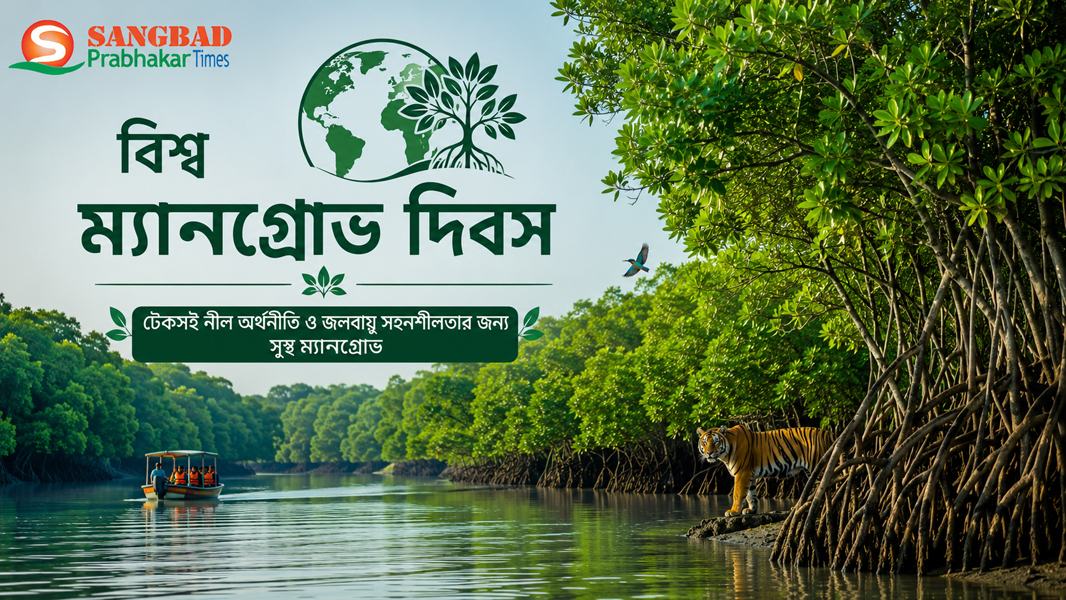
এবারের বিশ্ব ম্যানগ্রোভ দিবসের প্রতিপাদ্য ‘টেকসই নীল অর্থনীতি ও জলবায়ু সহনশীলতার জন্য সুস্থ ম্যানগ্রোভ’। সেই ভাবনার সঙ্গে সঙ্গতি রেখেই সুন্দরবনের ম্যানগ্রোভ অরণ্যকে জলবায়ু পরিবর্তনের বিরুদ্ধে প্রাকৃতিক রক্ষাকবচ হিসেবে আরও শক্তিশালী করার পাশাপাশি ব্লু কার্বনভিত্তিক জলবায়ু অর্থায়নের সম্ভাবনাকেও গুরুত্ব দিচ্ছে রাজ্য সরকার।
বিশ্বের বৃহত্তম একটানা ম্যানগ্রোভ অরণ্য সুন্দরবন, যার মোট বিস্তৃতি প্রায় ১০,০০০ বর্গকিলোমিটার। এই বিশাল বনভূমির প্রায় ৬০ শতাংশ, অর্থাৎ প্রায় ৬,০১৭ বর্গকিলোমিটার, বাংলাদেশের মধ্যে এবং অবশিষ্ট প্রায় ৪০ শতাংশ, অর্থাৎ প্রায় ৪,২৬০ বর্গকিলোমিটার, ভারতের পশ্চিমবঙ্গে অবস্থিত। ভারতের এই অংশটিই সুন্দরবন টাইগার রিজার্ভ এবং সুন্দরবন বায়োস্ফিয়ার রিজার্ভ-এর অন্তর্ভুক্ত এবং এটি ইউনেস্কো ঘোষিত বিশ্ব ঐতিহ্যবাহী স্থান।
ভারতের সুন্দরবনের মোট বিস্তৃতির মধ্যে বর্তমানে প্রায় ২,১১৯.১৬ বর্গকিলোমিটার এলাকাজুড়ে ম্যানগ্রোভ বন রয়েছে। ভারতের বন সমীক্ষা প্রতিবেদনের (India State of Forest Report) তথ্য অনুযায়ী, ২০১৩ সালে যেখানে পশ্চিমবঙ্গে ম্যানগ্রোভের পরিমাণ ছিল ২,০৯৭ বর্গকিলোমিটার, বর্তমানে তা বেড়ে ২,১১৯.১৬ বর্গকিলোমিটারে পৌঁছেছে। অর্থাৎ এক দশকে প্রায় ২২.১৬ বর্গকিলোমিটার ম্যানগ্রোভ বৃদ্ধি পেয়েছে। পরিকল্পিত বনায়ন, উপকূলীয় সংরক্ষণ প্রকল্প এবং নিয়মিত পুনরুদ্ধার কর্মসূচির ফলেই এই বৃদ্ধি সম্ভব হয়েছে বলে বিশেষজ্ঞদের অভিমত। তবে একই সঙ্গে সমুদ্রপৃষ্ঠের উচ্চতা বৃদ্ধি, নদীভাঙন, লবণাক্ততার পরিবর্তন এবং ঘন ঘন ঘূর্ণিঝড়ের কারণে সুন্দরবনের কিছু অংশ এখনও ক্ষয়ের মুখে পড়ছে।
বিশেষজ্ঞদের মতে, ম্যানগ্রোভ পৃথিবীর অন্যতম গুরুত্বপূর্ণ ‘ব্লু কার্বন ইকোসিস্টেম’। এই বন সাধারণ বনাঞ্চলের তুলনায় অনেক বেশি পরিমাণ কার্বন মাটি ও শিকড়ে দীর্ঘদিন ধরে সঞ্চিত রাখতে পারে। ফলে বায়ুমণ্ডলে কার্বন ডাই-অক্সাইডের পরিমাণ কমানো এবং বৈশ্বিক উষ্ণায়নের প্রভাব প্রশমনে ম্যানগ্রোভের ভূমিকা অত্যন্ত গুরুত্বপূর্ণ। পাশাপাশি ঘূর্ণিঝড়, জলোচ্ছ্বাস এবং উপকূলীয় ক্ষয় রোধে সুন্দরবনের ম্যানগ্রোভ লক্ষ লক্ষ মানুষের প্রাকৃতিক সুরক্ষাকবচ হিসেবে কাজ করে।
এই প্রেক্ষাপটে পশ্চিমবঙ্গ সরকার সুন্দরবনে Climate Finance, Carbon Sequestration এবং Blue Carbon-ভিত্তিক ভবিষ্যৎ পরিকল্পনার ওপর গুরুত্ব দিচ্ছে। লক্ষ্য, বৈজ্ঞানিকভাবে সুন্দরবনের কার্বন সঞ্চয়ের পরিমাণ নিরূপণ করে ভবিষ্যতে আন্তর্জাতিক জলবায়ু অর্থায়ন ও সম্ভাব্য কার্বন ক্রেডিট ব্যবস্থার সঙ্গে যুক্ত হওয়ার পথ তৈরি করা। যদিও এখনও আন্তর্জাতিক কার্বন বাজারে অংশগ্রহণের জন্য কোনও পৃথক সরকারি প্রকল্প আনুষ্ঠানিকভাবে ঘোষণা করা হয়নি, তবুও গবেষণা ও নীতিনির্ধারণের স্তরে বিষয়টি গুরুত্বের সঙ্গে বিবেচিত হচ্ছে।
পর্যটন দফতরের এই সভায় পরিবেশবান্ধব ও দায়িত্বশীল পর্যটনকে আরও শক্তিশালী করার বিষয়েও জোর দেওয়া হচ্ছে। পর্যটনের বিকাশ যেন সুন্দরবনের জীববৈচিত্র্য, ম্যানগ্রোভ অরণ্য এবং স্থানীয় মানুষের জীবিকার ওপর কোনও নেতিবাচক প্রভাব না ফেলে, সেই লক্ষ্যেই পর্যটন শিল্পের বিভিন্ন অংশীদারদের সঙ্গে সমন্বিত কর্মপরিকল্পনা নিয়ে আলোচনা হবে।
বিশেষজ্ঞদের মতে, সুন্দরবন শুধু রয়্যাল বেঙ্গল টাইগারের আবাসস্থল নয়, বরং এটি দক্ষিণ এশিয়ার জলবায়ু নিরাপত্তা, জীববৈচিত্র্য সংরক্ষণ, উপকূলীয় সুরক্ষা এবং টেকসই নীল অর্থনীতির অন্যতম প্রধান ভিত্তি। তাই বিশ্ব ম্যানগ্রোভ দিবসের বার্তা শুধু বন সংরক্ষণেই সীমাবদ্ধ নয়; এটি ভবিষ্যৎ প্রজন্মের নিরাপদ পরিবেশ, জলবায়ু সহনশীল উন্নয়ন এবং টেকসই অর্থনীতির দিশাও দেখায়।
Published on: জুলা ২৫, ২০২৬ at ২১:৩৯
West Bengal Focuses on Blue Carbon and Sustainable Tourism as World Mangrove Day Highlights Sundarbans Conservation
KOLKATA, India, July 26 — West Bengal’s Tourism Department is bringing together key stakeholders from the tourism industry to mark World Mangrove Day, underscoring the growing importance of the Sundarbans’ mangrove ecosystem in climate resilience, sustainable tourism and the emerging blue carbon economy.
The meeting, coinciding with this year’s World Mangrove Day theme, “Healthy Mangroves for Sustainable Blue Economy and Climate Resilience,” is expected to bring together tourism operators, hospitality representatives, environmental experts and government officials to discuss strategies for balancing ecological conservation with sustainable economic development.
The Sundarbans, spanning approximately 10,000 square kilometres across India and Bangladesh, is the world’s largest contiguous mangrove forest and a UNESCO World Heritage Site. About 6,017 square kilometres (around 60%) lie in Bangladesh, while approximately 4,260 square kilometres (around 40%) are located in the Indian state of West Bengal.
According to the latest India State of Forest Report (ISFR), West Bengal currently has 2,119.16 square kilometres of mangrove cover, compared with 2,097 square kilometres in 2013, reflecting a net increase of 22.16 square kilometres over the past decade. Experts attribute the expansion to sustained afforestation programmes, mangrove restoration projects and conservation initiatives, although parts of the Sundarbans continue to face erosion from rising sea levels, cyclones, coastal flooding and increasing salinity.
Mangrove ecosystems are increasingly recognised as one of the planet’s most efficient natural carbon sinks. Often referred to as “blue carbon ecosystems,” mangroves capture and store significantly larger quantities of carbon in their biomass and soil than many terrestrial forests, making them a critical nature-based solution for mitigating climate change.
Beyond carbon storage, the Sundarbans provide vital ecological services by protecting coastal communities from cyclones, storm surges and tidal flooding, while supporting rich biodiversity, including the endangered Royal Bengal Tiger, estuarine crocodiles, dolphins, hundreds of bird species and commercially important fisheries that sustain millions of livelihoods across the delta.
West Bengal has also been exploring the long-term potential of integrating climate finance, carbon sequestration and blue carbon valuation into its conservation strategy. While the state has not yet announced a formal carbon-credit programme for the Sundarbans, researchers and policymakers are examining scientific methods to quantify carbon stocks and assess future opportunities for accessing international climate finance and voluntary carbon markets.
Officials say the tourism department’s stakeholder meeting aims to promote responsible and environmentally sustainable tourism practices that support local livelihoods while preserving the ecological integrity of the fragile mangrove ecosystem.
Environmental experts note that protecting the Sundarbans is not only essential for biodiversity conservation but also for strengthening climate resilience across eastern India and Bangladesh. As climate change accelerates, healthy mangrove forests are increasingly viewed as a strategic asset capable of safeguarding coastal populations, enhancing carbon storage and supporting a sustainable blue economy.
World Mangrove Day, observed annually on July 26, was proclaimed by UNESCO in 2015 to raise global awareness of the ecological, economic and social value of mangrove ecosystems and the urgent need for their conservation.