

২৭ সেপ্টেম্বর কেন বিশ্ব পর্যটন দিবস? এবারের ভাবনা কী, কে ঠিক করল বিষয় ও আয়োজক দেশ? ভারতেই বা কোথায় হচ্ছে বড় আয়োজন?

Published on: সেপ্টে ২৫, ২০২৬ at ১১:৫৩

✍️ লিখছেন অনিরুদ্ধ পাল। সংবাদ প্রভাকর টাইমস
এসপিটি বিশেষ প্রতিবেদন: প্রতি বছর ২৭ সেপ্টেম্বর বিশ্বজুড়ে পালিত হয় বিশ্ব পর্যটন দিবস। পর্যটনকে শুধুমাত্র অবকাশযাপন, ভ্রমণ কিংবা বিনোদনের ক্ষেত্র হিসেবে না দেখে অর্থনীতি, কর্মসংস্থান, সংস্কৃতি, পরিবেশ, স্থানীয় সমাজ এবং আন্তর্জাতিক পারস্পরিক বোঝাপড়ার একটি গুরুত্বপূর্ণ মাধ্যম হিসেবে তুলে ধরাই এই দিনের মূল উদ্দেশ্য। ২০২৬ সালে সেই আলোচনাই প্রবেশ করছে এক নতুন বাস্তবতায়—কৃত্রিম বুদ্ধিমত্তা ও ডিজিটাল প্রযুক্তির দ্রুত পরিবর্তনশীল পৃথিবীতে পর্যটনের ভবিষ্যৎ কেমন হবে?
এবারের বিশ্ব পর্যটন দিবসের সরকারি ভাবনা— “পর্যটনের পুনর্নকশায় ডিজিটাল কর্মসূচি ও কৃত্রিম বুদ্ধিমত্তা”।
এবং এবারের সরকারি আন্তর্জাতিক আয়োজক দেশ মধ্য আমেরিকার এল সালভাদর। ২৭ সেপ্টেম্বরের মূল আন্তর্জাতিক উদ্যাপন হবে রাজধানী সান সালভাদরে। জাতিসংঘের নথিতেও এল সালভাদরের প্রস্তাব এবং ২৭ সেপ্টেম্বর ২০২৬ সান সালভাদরে অনুষ্ঠান আয়োজনের কথা উল্লেখ রয়েছে।
বিশ্ব পর্যটন দিবসের শুরু কোথায়?
বিশ্ব পর্যটন দিবসের ইতিহাস আসলে ১৯৭০ সালের ২৭ সেপ্টেম্বর থেকে শুরু। এই দিনেই তৎকালীন বিশ্ব পর্যটন সংস্থার সংবিধি গ্রহণ করা হয়েছিল। পাঁচ বছর পরে, ১৯৭৫ সালে সংস্থাটি আনুষ্ঠানিকভাবে প্রতিষ্ঠিত হয়। পরবর্তীকালে এই সংস্থাই জাতিসংঘের বিশেষায়িত পর্যটন সংস্থা হিসেবে বিশ্ব পর্যায়ে দায়িত্ব গ্রহণ করে।
১৯৮০ সাল থেকে প্রতি বছর ২৭ সেপ্টেম্বর বিশ্ব পর্যটন দিবস হিসেবে পালিত হয়ে আসছে। অর্থাৎ ২০২৬ সালে এই আন্তর্জাতিক দিবসের ৪৭তম আনুষ্ঠানিক উদ্যাপন অনুষ্ঠিত হচ্ছে। ভারতের পর্যটন মন্ত্রকের প্রকাশিত নথিতেও ১৯৭০ সালের ২৭ সেপ্টেম্বর সংস্থার সংবিধি গ্রহণ এবং ১৯৮০ সালে প্রথম বিশ্ব পর্যটন দিবস পালনের ইতিহাস নিশ্চিত করা হয়েছে।
জাতিসংঘ পর্যটন সংস্থার বিশ্ব পর্যটন দিবস সংক্রান্ত নথি
কেন ২৭ সেপ্টেম্বরই?
তারিখটির সঙ্গে নিছক কোনও প্রতীকী সম্পর্ক নেই।
১৯৭০ সালের ২৭ সেপ্টেম্বর তৎকালীন বিশ্ব পর্যটন সংস্থার সংবিধি গ্রহণ করা হয়েছিল। সেই ঐতিহাসিক দিনটিকেই স্মরণ করে ২৭ সেপ্টেম্বরকে বিশ্ব পর্যটন দিবসের জন্য বেছে নেওয়া হয়।
বিশ্ব পর্যটন দিবসের উদ্দেশ্যও সময়ের সঙ্গে আরও বিস্তৃত হয়েছে। পর্যটনের অর্থনৈতিক গুরুত্বের পাশাপাশি এর সামাজিক, সাংস্কৃতিক, রাজনৈতিক ও পরিবেশগত প্রভাব সম্পর্কে আন্তর্জাতিক সচেতনতা তৈরি করা এখন এর অন্যতম প্রধান লক্ষ্য। ভারত সরকারের নথিতেও পর্যটনের সামাজিক, সাংস্কৃতিক, রাজনৈতিক ও অর্থনৈতিক মূল্য এবং টেকসই উন্নয়নে তার অবদানের বিষয়ে সচেতনতা বৃদ্ধিকে এই দিবসের অন্যতম উদ্দেশ্য হিসেবে উল্লেখ করা হয়েছে।
কে ঠিক করে বিশ্ব পর্যটন দিবসের বিষয়?
এখানেই রয়েছে একটি গুরুত্বপূর্ণ তথ্য। বিশ্ব পর্যটন দিবসের বার্ষিক বিষয় কোনও একটি দেশের পর্যটন মন্ত্রক একতরফাভাবে ঠিক করে না। জাতিসংঘ পর্যটন সংস্থার নির্বাহী পরিষদ সম্ভাব্য বিষয় প্রস্তাব করে এবং পরে সংস্থার সাধারণ পরিষদ তা অনুমোদন করে। একই প্রক্রিয়ায় আনুষ্ঠানিক আন্তর্জাতিক আয়োজক দেশও নির্ধারিত হয়।
২০২৫ সালে অনুষ্ঠিত জাতিসংঘ পর্যটন সংস্থার ২৬তম সাধারণ পরিষদের নথিতে স্পষ্টভাবে বলা হয়েছে যে ২০২৬ সালের বিষয় হিসেবে “পর্যটনের পুনর্নকশায় ডিজিটাল কর্মসূচি ও কৃত্রিম বুদ্ধিমত্তা” এবং আয়োজক হিসেবে এল সালভাদরকে নির্ধারণ করা হয়েছে।
অর্থাৎ এবারের বিষয়টি কোনও প্রচারমূলক স্লোগান নয়; এটি আন্তর্জাতিক পর্যটন নীতিনির্ধারণের আনুষ্ঠানিক প্রক্রিয়ার ফল।
এবারের বিষয়টি কেন এত গুরুত্বপূর্ণ?
২০২৬ সালের বিষয়টির সবচেয়ে গুরুত্বপূর্ণ শব্দ হল “পুনর্নকশা”। প্রযুক্তি এখন শুধু পর্যটনের প্রচারে ব্যবহৃত হচ্ছে না। একজন পর্যটক কোথায় যাবেন, কী দেখবেন, কোথায় থাকবেন, কোন পথে যাবেন, কোন সময়ে কোনও পর্যটনস্থলে ভিড় বেশি হতে পারে—এই সিদ্ধান্তগুলিতেও কৃত্রিম বুদ্ধিমত্তা ক্রমশ ভূমিকা নিচ্ছে।
একই সঙ্গে পর্যটন ব্যবসায়—
- ভ্রমণ পরিকল্পনা,
- ব্যক্তিগত পছন্দ অনুযায়ী পর্যটন পরিষেবা,
- ভাষান্তর,
- পর্যটনস্থলের তথ্য সরবরাহ,
- পর্যটকের আচরণ বিশ্লেষণ,
- ভিড় নিয়ন্ত্রণ,
- গন্তব্য ব্যবস্থাপনা,
- বিপণন,
- কর্মীদের দক্ষতা বৃদ্ধি
সহ একাধিক ক্ষেত্রে কৃত্রিম বুদ্ধিমত্তার ব্যবহার বাড়ছে। ফলে এবারের বিশ্ব পর্যটন দিবসের প্রশ্ন শুধু “প্রযুক্তি পর্যটনে কী করতে পারে?” নয়।
প্রশ্ন আরও গভীর— প্রযুক্তির পরিবর্তনের ফলে পর্যটন কার জন্য তৈরি হবে, স্থানীয় মানুষ কতটা লাভবান হবে এবং ভবিষ্যতের পর্যটন কতটা অন্তর্ভুক্তিমূলক ও টেকসই হবে?
জাতিসংঘের পর্যটন সংক্রান্ত আলোচনায়ও কৃত্রিম বুদ্ধিমত্তাকে এমনভাবে ব্যবহারের ওপর গুরুত্ব দেওয়া হচ্ছে যাতে পর্যটন আরও বুদ্ধিদীপ্ত, অন্তর্ভুক্তিমূলক ও টেকসই হয়।
এল সালভাদরকেই কেন দেওয়া হল ২০২৬-এর আন্তর্জাতিক আয়োজন?
এখানে একটি গুরুত্বপূর্ণ সংশোধন প্রয়োজন। এল সালভাদরকে কোনও “সেরা পর্যটন দেশ” হিসেবে বেছে নেওয়া হয়েছে—এমন কথা জাতিসংঘ পর্যটন সংস্থার সিদ্ধান্তে নেই। বরং আয়োজক দেশ নির্বাচন হয়েছে নির্দিষ্ট প্রাতিষ্ঠানিক প্রক্রিয়ার মাধ্যমে।
জাতিসংঘ পর্যটন সংস্থার আমেরিকা অঞ্চলের আঞ্চলিক কমিশন ২০২৫ সালে এল সালভাদরকে ২০২৬ সালের আয়োজক হিসেবে সুপারিশ করে। পরে সাধারণ পরিষদ সেই সুপারিশ অনুমোদন করে। সংস্থার সরকারি নথিতে এই প্রক্রিয়াটি স্পষ্টভাবে উল্লেখ রয়েছে।
জাতিসংঘের সাধারণ পরিষদের নথিতেও এল সালভাদর সরকারের ২০২৬ সালের বিশ্ব পর্যটন দিবস আয়োজনের প্রস্তাবকে স্বাগত জানানো হয়েছে।
তবে এল সালভাদর কেন এই আয়োজনকে গুরুত্ব দিচ্ছে?
এল সালভাদর নিজের পর্যটন ব্যবস্থাকে নতুনভাবে তুলে ধরতে চাইছে। দেশটির সমুদ্রতট, সংস্কৃতি, খাদ্য, ঐতিহ্য, স্থানীয় জীবন এবং পর্যটন অবকাঠামোকে আন্তর্জাতিক পর্যায়ে তুলে ধরার পাশাপাশি ডিজিটাল প্রযুক্তি ও কৃত্রিম বুদ্ধিমত্তাকে পর্যটনের ভবিষ্যতের সঙ্গে যুক্ত করার সুযোগও এই আয়োজন তৈরি করছে।
জাতিসংঘ পর্যটন সংস্থার প্রকাশিত বার্তাতেও এল সালভাদরের প্রকৃতি, সংস্কৃতি, স্থানীয় মানুষ ও পর্যটন অভিজ্ঞতাকে আন্তর্জাতিক দর্শকদের সামনে তুলে ধরার ওপর জোর দেওয়া হয়েছে।
এবারের বিশ্ব পর্যটন দিবসের আসল তাৎপর্য কোথায়?
পর্যটন শিল্পের জন্য এবারের দিবসটি গুরুত্বপূর্ণ হওয়ার অন্তত পাঁচটি কারণ রয়েছে।
প্রথমত—পর্যটকের সিদ্ধান্ত বদলে যাচ্ছে
আগে পর্যটক মূলত সংবাদপত্র, পর্যটন পুস্তিকা, পরিচিতজন বা পর্যটন সংস্থার পরামর্শের ওপর নির্ভর করতেন। এখন তথ্য খোঁজা, তুলনা করা এবং ভ্রমণ পরিকল্পনার ক্ষেত্রে কৃত্রিম বুদ্ধিমত্তাভিত্তিক ব্যবস্থা ক্রমশ গুরুত্বপূর্ণ হয়ে উঠছে।
দ্বিতীয়ত—ছোট গন্তব্যগুলির সামনে নতুন সুযোগ
সঠিকভাবে ব্যবহার করা গেলে প্রযুক্তি কম পরিচিত পর্যটনস্থলকে বিশ্বের কাছে তুলে ধরতে পারে। পশ্চিমবঙ্গের ক্ষেত্রেও এর গুরুত্ব অত্যন্ত বেশি—পুরুলিয়ার পাহাড় ও প্রত্নঐতিহ্য, বাঁকুড়া, ঝাড়গ্রাম, সুন্দরবন, উত্তরবঙ্গ, ডুয়ার্স, নদীয়া, মুর্শিদাবাদ বা উপকূলীয় অঞ্চলকে বৃহত্তর পর্যটন মানচিত্রে তুলে ধরতে ডিজিটাল প্রযুক্তি গুরুত্বপূর্ণ ভূমিকা নিতে পারে।
তৃতীয়ত—স্থানীয় অর্থনীতি
পর্যটন শুধু বড় হোটেল বা বড় পর্যটন সংস্থার বিষয় নয়। স্থানীয় পরিবহণ, হস্তশিল্প, কৃষিজ পণ্য, খাদ্য, গৃহবাস, গাইড, সংস্কৃতি ও ক্ষুদ্র ব্যবসার সঙ্গে পর্যটনের প্রত্যক্ষ সম্পর্ক রয়েছে। জাতিসংঘ পর্যটন সংস্থার গ্রামীণ পর্যটন কর্মসূচিতেও স্থানীয় অর্থনীতি, কর্মসংস্থান, নারী ও যুবসমাজের ক্ষমতায়ন এবং স্থানীয় ঐতিহ্য সংরক্ষণের ওপর গুরুত্ব দেওয়া হয়েছে।
চতুর্থত—পর্যটনকে আরও টেকসই করার প্রশ্ন
কৃত্রিম বুদ্ধিমত্তা শুধু পর্যটক বাড়ানোর যন্ত্র হলে চলবে না। পর্যটনস্থলে অতিরিক্ত ভিড়, জল ব্যবহার, বর্জ্য, পরিবেশের ওপর চাপ এবং স্থানীয় বাসিন্দাদের জীবনযাত্রার ওপর প্রভাবও বিবেচনায় আনতে হবে।
পঞ্চমত—মানুষ বনাম প্রযুক্তি নয়, মানুষকে কেন্দ্র করে প্রযুক্তি
এবারের আলোচনার একটি গুরুত্বপূর্ণ দিক হল—প্রযুক্তি যেন পর্যটনের মানুষের জায়গা দখল না করে, বরং মানুষকে আরও সক্ষম করে। এই কারণে দক্ষতা উন্নয়ন, প্রযুক্তিতে প্রবেশাধিকার এবং স্থানীয় জনগোষ্ঠীর অংশগ্রহণ এবারের আলোচনার গুরুত্বপূর্ণ অংশ।
ভারতে কোথায় হচ্ছে সবচেয়ে বড় আয়োজন?
এখানে তথ্যভিত্তিক একটি বিষয় পরিষ্কার করা জরুরি। ২০২৬ সালের বিশ্ব পর্যটন দিবস উপলক্ষে ভারত সরকারের পক্ষ থেকে এখনও এমন কোনও সরকারি ঘোষণা পাওয়া যায়নি যে একটি নির্দিষ্ট শহরকে “ভারতের সবচেয়ে বড় বিশ্ব পর্যটন দিবস উদ্যাপন” হিসেবে ঘোষণা করা হয়েছে। তবে ২০২৬ সালের জন্য নয়াদিল্লিতে একাধিক বড় আয়োজনের ঘোষণা রয়েছে।
এর মধ্যে বিশেষভাবে উল্লেখযোগ্য যমুনার তীরে বানসেরা প্রাঙ্গণে ২৬ ও ২৭ সেপ্টেম্বর দিল্লি উন্নয়ন কর্তৃপক্ষের দু’দিনের আয়োজন। এখানে ভারতের বিভিন্ন অঞ্চলের শিল্প, হস্তশিল্প, খাদ্য, সংগীত, সাংস্কৃতিক পরিবেশনা ও লোকজ ঐতিহ্য তুলে ধরা হবে। আয়োজনটিকে ছয়টি আলাদা ভাবনায় সাজানো হয়েছে।
অর্থাৎ সাধারণ দর্শকদের অংশগ্রহণ, সাংস্কৃতিক বৈচিত্র্য এবং আয়োজনের বিস্তৃতির বিচারে নয়াদিল্লির বানসেরা অনুষ্ঠানটি এবারের ভারতের উল্লেখযোগ্য বৃহৎ জনমুখী উদ্যাপনগুলির অন্যতম।
অন্যদিকে দিল্লিতেই ২৬ সেপ্টেম্বর পর্যটন পেশাজীবীদের নিয়ে আরও একটি বড় আয়োজনের কথা প্রকাশ্যে এসেছে, যেখানে আয়োজকদের হিসাবে এক হাজারের বেশি প্রতিনিধি এবং শতাধিক দেশীয় ও আন্তর্জাতিক ক্রেতা অংশ নেওয়ার কথা রয়েছে। তবে এটি সরকারি জাতীয় বিশ্ব পর্যটন দিবসের মূল অনুষ্ঠান নয়; এটি একটি শিল্পভিত্তিক বাণিজ্যিক ও যোগাযোগমূলক আয়োজন।
তাই “ভারতের সবচেয়ে বড়” বলার পরিবর্তে তথ্যনির্ভরভাবে বলা বেশি সঠিক—নয়াদিল্লি ২০২৬ সালের বিশ্ব পর্যটন দিবস উপলক্ষে ভারতের অন্যতম বৃহৎ ও দৃশ্যমান আয়োজনের কেন্দ্র হয়ে উঠছে।
ভারত এর আগে বিশ্ব পর্যটন দিবসের আন্তর্জাতিক আয়োজক হয়েছিল
ভারতের সঙ্গে এই দিবসের আন্তর্জাতিক সম্পর্ক অবশ্য নতুন নয়। ২০১৯ সালে ভারতই ছিল বিশ্ব পর্যটন দিবসের আন্তর্জাতিক আয়োজক দেশ।
নয়াদিল্লিতে আয়োজিত সেই অনুষ্ঠানে শতাধিক দেশের প্রতিনিধিরা অংশ নিয়েছিলেন। বিষয় ছিল পর্যটন ও কর্মসংস্থান এবং পর্যটনের মাধ্যমে সবার জন্য উন্নত ভবিষ্যৎ গড়ে তোলার সম্ভাবনা। জাতিসংঘ পর্যটন সংস্থার সরকারি বিবরণে ভারতকে দ্রুত বিকাশমান অর্থনীতি এবং পর্যটনের মাধ্যমে কর্মসংস্থান ও অন্তর্ভুক্তিমূলক উন্নয়নের সম্ভাবনার কারণে উপযুক্ত আয়োজক হিসেবে তুলে ধরা হয়েছিল।
এই ইতিহাস দেখায়, বিশ্ব পর্যটন দিবস ভারতের কাছেও কেবল একটি আনুষ্ঠানিক দিবস নয়; দেশের পর্যটন নীতি, কর্মসংস্থান, সংস্কৃতি ও আন্তর্জাতিক পর্যটন ভাবমূর্তির সঙ্গে এর সরাসরি সম্পর্ক রয়েছে।
এবারের দিবসের সবচেয়ে বড় প্রশ্ন
২০২৬ সালের বিশ্ব পর্যটন দিবসের সবচেয়ে গুরুত্বপূর্ণ প্রশ্ন সম্ভবত প্রযুক্তি আসবে কি না—সেটি নয়। প্রযুক্তি ইতিমধ্যেই এসে গেছে। প্রশ্ন হল— এই প্রযুক্তির যুগে পর্যটনের নিয়ন্ত্রণ কার হাতে থাকবে? বড় প্রযুক্তি প্রতিষ্ঠান? বড় পর্যটন সংস্থা? সরকার? নাকি স্থানীয় মানুষ, পর্যটন ব্যবসা, পর্যটক এবং গন্তব্য—সবাই মিলে?
কারণ কৃত্রিম বুদ্ধিমত্তা যদি শুধু জনপ্রিয় কয়েকটি গন্তব্যকে আরও জনপ্রিয় করে তোলে, তাহলে পর্যটনের বৈচিত্র্য কমতে পারে। কিন্তু যদি প্রযুক্তি কম পরিচিত অঞ্চল, স্থানীয় ব্যবসা, ঐতিহ্য, প্রকৃতি ও মানুষের গল্পকে বিশ্বের কাছে পৌঁছে দিতে পারে, তাহলে পর্যটনের মানচিত্র আরও বিস্তৃত হতে পারে।
সেই জায়গাতেই এবারের বিশ্ব পর্যটন দিবসের “পুনর্নকশা” শব্দটি বিশেষ তাৎপর্যপূর্ণ।
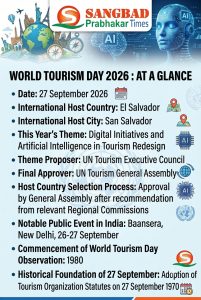
বিশ্ব পর্যটন দিবস ২০২৬ : এক নজরে
তারিখ: ২৭ সেপ্টেম্বর ২০২৬
আন্তর্জাতিক আয়োজক দেশ: এল সালভাদর
আন্তর্জাতিক আয়োজনের শহর: সান সালভাদর
এবারের বিষয়: পর্যটনের পুনর্নকশায় ডিজিটাল কর্মসূচি ও কৃত্রিম বুদ্ধিমত্তা
বিষয় প্রস্তাবকারী: জাতিসংঘ পর্যটন সংস্থার নির্বাহী পরিষদ
চূড়ান্ত অনুমোদনকারী: জাতিসংঘ পর্যটন সংস্থার সাধারণ পরিষদ
আয়োজক দেশ নির্বাচনের প্রক্রিয়া: সংশ্লিষ্ট আঞ্চলিক কমিশনের সুপারিশের পর সাধারণ পরিষদের অনুমোদন
ভারতে উল্লেখযোগ্য জনমুখী আয়োজন: নয়াদিল্লির বানসেরা, ২৬–২৭ সেপ্টেম্বর
বিশ্ব পর্যটন দিবস পালনের সূচনা: ১৯৮০
২৭ সেপ্টেম্বরের ঐতিহাসিক ভিত্তি: ১৯৭০ সালের ২৭ সেপ্টেম্বর পর্যটন সংস্থার সংবিধি গ্রহণ।
সংবাদ প্রভাকর টাইমস-এর পর্যবেক্ষণ
বিশ্ব পর্যটন দিবস ২০২৬ তাই শুধুমাত্র একটি আন্তর্জাতিক দিবসের আনুষ্ঠানিক উদ্যাপন নয়। এটি পর্যটনের আগামী দশকের একটি গুরুত্বপূর্ণ প্রশ্ন সামনে নিয়ে এসেছে— প্রযুক্তি পর্যটনকে শুধু দ্রুততর করবে, নাকি আরও মানবিক, অন্তর্ভুক্তিমূলক, পরিবেশবান্ধব এবং স্থানীয় মানুষের জন্য অর্থবহ করে তুলবে?
বিশেষত ভারতের মতো বহুমাত্রিক পর্যটনসমৃদ্ধ দেশে এই প্রশ্নের গুরুত্ব আরও বেশি। কারণ দেশের পর্যটনের শক্তি শুধু তাজমহল, কেরল, গোয়া বা রাজস্থানের মতো প্রতিষ্ঠিত গন্তব্যে সীমাবদ্ধ নয়। হাজার হাজার ছোট শহর, গ্রাম, পাহাড়, বন, নদী, ঐতিহ্য, লোকসংস্কৃতি এবং স্থানীয় মানুষের জীবনযাত্রার মধ্যেই ভারতের পরবর্তী পর্যটন সম্ভাবনার বড় অংশ লুকিয়ে রয়েছে।
প্রযুক্তি সেই অজানা ভারতকে বিশ্বের সামনে তুলে ধরবে, নাকি পর্যটনকে আরও কয়েকটি পরিচিত গন্তব্যের মধ্যেই সীমাবদ্ধ করবে—২০২৬-এর বিশ্ব পর্যটন দিবসের আসল পরীক্ষা সেখানেই।

Published on: সেপ্টে ২৫, ২০২৬ at ১১:৫৩
World Tourism Day 2026: AI and Digital Transformation Take Centre Stage as El Salvador Hosts Global Celebrations
SPT NEWS, KOLKATA, India, Sept. 25, 2026 — World Tourism Day will be observed across the globe on Sunday, Sept. 27, with the international spotlight this year turning to artificial intelligence, digital transformation and the future of the tourism industry.
The official theme for World Tourism Day 2026 is “Digital Agenda and Artificial Intelligence to Redesign Tourism”, placing technology at the centre of discussions on how destinations, tourism businesses and travellers will interact in an increasingly digital world.
The official global celebrations will be hosted by El Salvador, with the event taking place in the capital, San Salvador.
The theme was proposed by the Executive Council of UN Tourism and subsequently put forward for endorsement by the organisation’s General Assembly. The decision-making process also involved the regional tourism commission for the Americas, which recommended El Salvador as the host country for 2026.
According to the official UN Tourism document, the theme is intended to examine how digital transformation and artificial intelligence can improve traveller experiences, increase operational efficiency and support more sustainable tourism practices.
The choice comes at a time when artificial intelligence is rapidly changing the way travellers search for destinations, plan journeys, compare services and make bookings. Tourism companies and destinations are also increasingly using digital tools to analyse visitor behaviour, manage demand, personalise services and promote lesser-known destinations.
But the technology-driven transformation also raises questions about access, skills, employment, data and the distribution of tourism benefits.
From a global observance to a major international tourism platform
World Tourism Day has been observed annually on Sept. 27 since 1980.
The date commemorates Sept. 27, 1970, when the statutes of the organisation that became the World Tourism Organization were adopted. The day was established to increase international awareness of tourism’s social, cultural, political and economic importance.
Over the decades, the annual observance has evolved into a major global platform for governments, tourism organisations, businesses, communities and policymakers to discuss the changing role of tourism.
The focus has expanded beyond tourism as an economic activity to include sustainable development, cultural heritage, employment, community participation, environmental protection and international understanding.
Why artificial intelligence matters to tourism
The 2026 theme reflects a fundamental change already taking place across the global tourism sector.
Artificial intelligence can assist travellers in discovering destinations, building itineraries and receiving personalised recommendations. For tourism businesses, digital systems can support customer service, marketing, demand forecasting, operational management and communication across languages.
For destinations, technology could also help manage visitor flows, monitor pressure on natural and heritage sites and distribute tourism activity beyond overcrowded locations.
But the benefits are not automatic.
If digital platforms repeatedly direct travellers towards the same destinations, businesses and attractions, smaller communities and emerging destinations could struggle to gain visibility.
That makes digital inclusion and access to technology an important part of the 2026 discussion.
United Nations Secretary-General António Guterres, in his message for World Tourism Day 2026, said artificial intelligence is changing how travellers choose destinations and how the tourism industry operates, while stressing the need for technology to remain centred on people, local communities and tourism workers.
The broader question, therefore, is not simply how artificial intelligence can make travel easier, but how technological innovation can make tourism more inclusive, sustainable and beneficial to the communities that host visitors.
Why El Salvador was chosen
El Salvador’s selection followed the established process within UN Tourism.
The recommendation for El Salvador to host World Tourism Day 2026 was made by the 70th UN Tourism Regional Commission for the Americas, held in Lima, Peru, from July 31 to Aug. 2, 2025.
The proposal was subsequently placed before the UN Tourism General Assembly for endorsement.
The selection does not mean that El Salvador was formally designated as the world’s leading tourism destination. Rather, it reflects the organisation’s established process for selecting host countries for the official celebrations.
Hosting the international event gives El Salvador an opportunity to place its tourism destinations, culture and tourism development priorities before a global audience while participating in the international discussion about the future of tourism.
India prepares for multiple World Tourism Day programmes
India will mark World Tourism Day with programmes across the country, with activities involving tourism, culture, heritage, cleanliness, community participation and destination promotion.
In New Delhi, the Delhi Development Authority is organising a two-day public celebration at Baansera, on the Yamuna floodplains at Sarai Kale Khan, on Sept. 26 and 27.
The programme, titled “Rang • Ras • Rooh”, is designed around India’s art, culture, food, music and entertainment. It includes themed spaces and cultural activities, with a qawwali performance scheduled for the evening of Sept. 27.
The Delhi programme is among the prominent public celebrations planned in India for the occasion. However, there is no verified national government designation identifying any one Indian city as the country’s officially “largest” World Tourism Day celebration.
Other states and institutions are also organising events around the occasion. In Goa, for example, a heritage art workshop has been organised as part of the World Tourism Day celebrations, highlighting traditional Chitari art and the state’s cultural heritage.
The nationwide nature of the celebrations reflects the breadth of India’s tourism landscape, ranging from cultural and heritage tourism to nature, coastal, rural, spiritual and community-based tourism.
India and the global tourism conversation
India has previously hosted the official international World Tourism Day celebrations.
In 2019, New Delhi hosted the global observance under the theme “Tourism and Jobs: A Better Future for All.” Representatives from more than 100 countries attended the high-level event.
That earlier international role underlined India’s position as one of the world’s major tourism markets and destinations, while highlighting the sector’s potential to create employment and support economic development.
Seven years later, the central question has changed.
The 2026 observance is less about whether technology will influence tourism and more about how that transformation should be managed.
A new tourism map shaped by technology
For countries such as India, the implications are significant.
Artificial intelligence and digital platforms could help bring lesser-known destinations into the global tourism marketplace, provide information in multiple languages, connect travellers with local businesses and help destinations manage growing visitor numbers.
The technology could also provide new opportunities for small tourism enterprises, homestays, local guides, artisans, transport operators and community-based tourism initiatives.
At the same time, unequal access to technology, inadequate digital skills and excessive dependence on large platforms could create new challenges.
The 2026 theme therefore places the tourism sector at a crossroads.
The future of tourism may increasingly depend on algorithms, digital platforms and artificial intelligence. But the destinations themselves will continue to depend on people — local communities, tourism workers, small businesses and visitors.
As World Tourism Day 2026 brings governments and the global tourism industry together, the central challenge will be to ensure that the digital transformation of tourism does not simply make travel more efficient, but makes the sector more inclusive, sustainable and accessible.
For El Salvador, the host of the global celebrations, the event provides an international stage.
For India, it offers an opportunity to examine how technology can help broaden the country’s tourism map beyond established destinations and connect a much larger number of communities to the economic and cultural opportunities created by travel.
World Tourism Day 2026 will therefore be more than a celebration of travel. It will be a global conversation about who shapes the tourism of the future — and how technology can be used to ensure that future remains human-centred.
By Aniruddha Pal
Special Correspondent
Sangbad Prabhakar Times