

কৃত্রিম বুদ্ধিমত্তার ব্যবহার থেকে ‘সবার জন্য পর্যটন’—ভবিষ্যতের পর্যটন নিয়ে কলকাতায় দিনভর আলোচনা
Published on: সেপ্টে ২৭, ২০২৬ at ২১:১৪
✍️ অনিরুদ্ধ পাল। সংবাদ প্রভাকর টাইমস

এসপিটি নিউজ, কলকাতা, ২৭ সেপ্টেম্বর ২০২৬: পর্যটনে প্রযুক্তির ব্যবহার, সর্বস্তরের মানুষের অংশগ্রহণ এবং নদীকেন্দ্রিক ঐতিহ্য ও সংস্কৃতি সংরক্ষণের বার্তা সামনে রেখে রবিবার বিশ্ব পর্যটন দিবস ২০২৬ উদযাপন করল ট্রাভেল এজেন্টস অ্যাসোসিয়েশন অব বেঙ্গল এবং ভারত চেম্বার অব কমার্স। কলকাতার পোলো ফ্লোটেলের অ্যাঙ্করেজ হলে দিনভর আয়োজিত এই অনুষ্ঠানের অন্যতম সহযোগী ছিল আইআইএইচএম ও ইঙ্ক্রিডেবল ইন্ডিয়া।

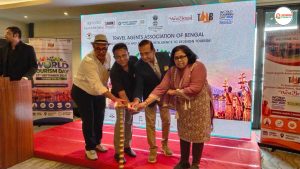
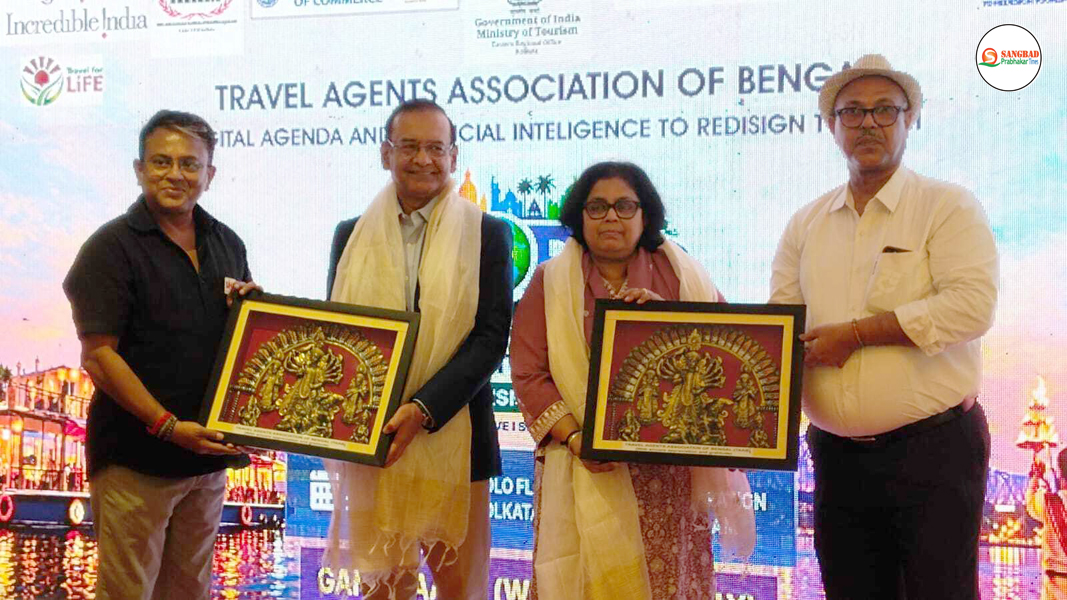
প্রদীপ জ্বালিয়ে অনুষ্ঠানের আনুষ্ঠানিক উদ্বোধনের মধ্য দিয়ে কর্মসূচির সূচনা হয়। শুরুতেই উত্তরীয় পরিয়ে এবং মা দুর্গার প্রতিমূর্তি-সম্বলিত স্মারক তুলে দিয়ে ভারত চেম্বার অব কমার্সের সভাপতি নরেশ পাচিসিয়া এবং মহাসচিব কেকা শর্মাকে সংবর্ধিত করা হয়।
এদিনের অন্যতম প্রধান আলোচনার বিষয় ছিল পর্যটনে কৃত্রিম বুদ্ধিমত্তার ক্রমবর্ধমান ব্যবহার। ভ্রমণ পরিকল্পনা, পর্যটন প্রচার, পর্যটকের অভিজ্ঞতা, পরিষেবা ব্যবস্থাপনা এবং পর্যটন ব্যবসার ভবিষ্যৎ ব্যবস্থাপনায় কৃত্রিম বুদ্ধিমত্তা কীভাবে নতুন সম্ভাবনার দ্বার খুলে দিচ্ছে, তা নিয়ে বিশেষ কর্মশালা অনুষ্ঠিত হয়।
তবে প্রযুক্তির পাশাপাশি অনুষ্ঠানে বিশেষ গুরুত্ব পায় ‘সবার জন্য পর্যটন’ ধারণা। পর্যটন দপ্তরের প্রতিনিধি, পর্যটক সহায়ক, নৌকার চালক, মহাবিদ্যালয়ের প্রতিনিধি, মোগলমারি পর্যটন এলাকার সঙ্গে যুক্ত বিভিন্ন অংশীদার এবং পর্যটন শিল্পের প্রতিনিধিরা আলোচনায় অংশ নেন।
আলোচনায় উঠে আসে পর্যটনকে আরও অন্তর্ভুক্তিমূলক ও স্থানীয় জনগোষ্ঠীকেন্দ্রিক করে তোলার প্রয়োজনীয়তা। পর্যটনের সুফল যাতে শুধু নির্দিষ্ট পর্যটনকেন্দ্র বা বড় ব্যবসায়িক প্রতিষ্ঠানের মধ্যে সীমাবদ্ধ না থেকে স্থানীয় মানুষ, ক্ষুদ্র পরিষেবা প্রদানকারী, পরিবহণকর্মী, পর্যটক সহায়ক এবং সংশ্লিষ্ট সম্প্রদায়ের কাছেও পৌঁছয়, সে বিষয়ে মতবিনিময় হয়।
ট্রাভেল এজেন্টস অ্যাসোসিয়েশন অব বেঙ্গলের সিনিয়র ভাইস প্রেসিডেন্ট প্রশান্ত মাজি বলেন, পর্যটন শিল্পের সঙ্গে যুক্ত বিভিন্ন স্তরের মানুষের জন্য একটি অভিন্ন আলোচনার মঞ্চ তৈরি করাই এই উদ্যোগের অন্যতম লক্ষ্য। প্রযুক্তির পরিবর্তিত ভূমিকার সঙ্গে পর্যটন শিল্পকে পরিচিত করানোর পাশাপাশি স্থানীয় অংশগ্রহণ এবং সর্বজনীন পর্যটনের ধারণাকে আরও শক্তিশালী করার প্রয়োজনীয়তার কথাও তিনি তুলে ধরেন।
প্রশান্ত মাজি বলেন, এদিন বিশ্ব পর্যটন দিবসের পাশাপাশি বিশ্ব নদী দিবসও উদযাপন করা হচ্ছে। নদী শুধু জলপ্রবাহ নয়; একটি অঞ্চলের ইতিহাস, সংস্কৃতি, ঐতিহ্য, অর্থনীতি এবং পর্যটনের সঙ্গেও তার গভীর সম্পর্ক রয়েছে। বাংলার পর্যটনে নদীকে আরও বেশি করে পর্যটনমুখী করার সম্ভাবনা নিয়েও ভাবনাচিন্তার প্রয়োজন রয়েছে বলে তিনি জানান।
এই প্রসঙ্গে গঙ্গাকে বিশেষ গুরুত্ব দেওয়া হয়। বাংলার মানুষের জীবন, সংস্কৃতি, ধর্মীয় বিশ্বাস এবং ঐতিহাসিক পরিচয়ের সঙ্গে গঙ্গার দীর্ঘ সম্পর্কের পাশাপাশি নদীকে ঘিরে পর্যটনের সম্ভাবনা এবং টেকসই উন্নয়নের প্রয়োজনীয়তার কথাও উঠে আসে আলোচনায়।
ভারত চেম্বার অব কমার্সের সভাপতি নরেশ পাচিসিয়া পর্যটনকে অর্থনৈতিক উন্নয়নের একটি গুরুত্বপূর্ণ ক্ষেত্র হিসেবে দেখার ওপর জোর দেন। তাঁর বক্তব্য অনুযায়ী, পরিকাঠামো, যোগাযোগ ব্যবস্থা, পর্যটনকেন্দ্র নির্মাণ, ডিজিটাল মাধ্যম এবং ভ্রমণ-সংক্রান্ত বিভিন্ন সুযোগ-সুবিধার উন্নতির মাধ্যমে পর্যটনকে অর্থনৈতিক বিকাশের শক্তিশালী মাধ্যম হিসেবে ব্যবহার করা সম্ভব।
তিনি ‘স্বদেশ দর্শন’, ‘স্বদেশ দর্শন ২.০’ এবং ‘প্রসাদ’-এর মতো উদ্যোগের উল্লেখ করে বলেন, পর্যটনকেন্দ্রগুলির উন্নয়ন, পর্যটকদের অভিজ্ঞতা বৃদ্ধি এবং পর্যটনভিত্তিক অর্থনৈতিক কর্মকাণ্ডের জন্য প্রয়োজনীয় পরিকাঠামো গড়ে তোলার দিকে এই ধরনের উদ্যোগগুলিতে গুরুত্ব দেওয়া হচ্ছে।
পশ্চিমবঙ্গের পর্যটন সম্ভাবনার কথা তুলে ধরে নরেশ পাচিসিয়া বলেন, রাজ্যটির পর্যটন সম্পদের বৈচিত্র্য অত্যন্ত বিস্তৃত। একদিকে হিমালয়, অন্যদিকে বঙ্গোপসাগর; একদিকে ডুয়ার্স ও চা-বাগান, অন্যদিকে বনভূমি ও সুন্দরবন। এর সঙ্গে রয়েছে নদ-নদী, সমুদ্রসৈকত, ঐতিহাসিক স্থান, তীর্থক্ষেত্র এবং সাহিত্য, শিল্প, সংগীত ও খাদ্যসংস্কৃতির সমৃদ্ধ ঐতিহ্য।
তাঁর বক্তব্য, পশ্চিমবঙ্গের ক্ষেত্রে নতুন করে পর্যটন আকর্ষণ তৈরি করার চেয়ে বিদ্যমান সম্পদগুলিকে সুসংগঠিত করে পরস্পরের সঙ্গে যুক্ত পর্যটন পরিক্রমা গড়ে তোলা, প্রয়োজনীয় পরিকাঠামো ও পরিষেবা নিশ্চিত করা এবং দেশীয় ও আন্তর্জাতিক পর্যটন বাজারে পশ্চিমবঙ্গকে যথাযথভাবে তুলে ধরা বেশি গুরুত্বপূর্ণ।
পর্যটনের অর্থনৈতিক প্রভাবের কথাও তুলে ধরেন তিনি। তাঁর মতে, পর্যটনকে শুধু সাংস্কৃতিক বা সামাজিক কর্মকাণ্ড হিসেবে না দেখে একটি পূর্ণাঙ্গ অর্থনৈতিক ক্ষেত্র হিসেবে বিবেচনা করা প্রয়োজন। পর্যটনের প্রভাব হোটেল বা ভ্রমণ সংস্থার মধ্যে সীমাবদ্ধ নয়; পরিবহণ, বিমান চলাচল, জলপথ, রেস্তোরাঁ, হস্তশিল্প, খুচরো ব্যবসা, বিনোদন, সুস্থতা পরিষেবা, খাদ্য প্রক্রিয়াকরণ, সাজসজ্জা এবং অনুষ্ঠান ব্যবস্থাপনাসহ বহু ক্ষেত্রেই এর প্রভাব পড়ে।
অ্যাসোসিয়েশনের সহ-সভাপতি স্বর্ণাভ পাল তাঁর বক্তব্যে কৃত্রিম বুদ্ধিমত্তার দ্রুত বিকাশকে পর্যটন শিল্পের পরিবর্তনের অন্যতম প্রধান চালিকাশক্তি হিসেবে তুলে ধরেন।
তিনি বলেন, এবারের বিশ্ব পর্যটন দিবসের মূল ভাবনা—‘পর্যটনের পুনর্গঠনে ডিজিটাল কর্মসূচি ও কৃত্রিম বুদ্ধিমত্তা’—সময়ের সঙ্গে অত্যন্ত সামঞ্জস্যপূর্ণ। পর্যটন সবসময় মানুষকে কেন্দ্র করে গড়ে ওঠা একটি ক্ষেত্র হলেও মানুষ কীভাবে নতুন গন্তব্য খুঁজছেন, সিদ্ধান্ত নিচ্ছেন, যোগাযোগ করছেন, ভ্রমণ সংরক্ষণ করছেন এবং নিজেদের অভিজ্ঞতা ভাগ করে নিচ্ছেন, সেই পুরো প্রক্রিয়া দ্রুত বদলে যাচ্ছে।
স্বর্ণাভ পালের বক্তব্য অনুযায়ী, কৃত্রিম বুদ্ধিমত্তা এখন পর্যটকের পছন্দ বিশ্লেষণ, ব্যক্তিগত ভ্রমণ পরিকল্পনা তৈরি, ভাষা অনুবাদ, তাৎক্ষণিক সহায়তা, চাহিদার পূর্বাভাস, পরিবর্তনশীল মূল্য নির্ধারণ, গ্রাহক পরিষেবা এবং পর্যটন ব্যবসায়ীদের পর্যটকদের প্রয়োজন আরও ভালোভাবে বোঝার ক্ষেত্রে সহায়তা করতে পারে।
তবে প্রযুক্তির ব্যবহারের পাশাপাশি তিনি মানবিক আতিথেয়তার গুরুত্বের ওপর বিশেষ জোর দেন।
স্বর্ণাভ পাল বলেন, প্রযুক্তি যেন আতিথেয়তার বিকল্প হয়ে না ওঠে; প্রযুক্তির কাজ হওয়া উচিত আতিথেয়তাকে আরও সমৃদ্ধ করা। কৃত্রিম বুদ্ধিমত্তা একটি ভ্রমণের গন্তব্য বেছে দিতে পারে, কিন্তু মানুষের সঙ্গে মানুষের আন্তরিক সম্পর্কই একটি স্মরণীয় ভ্রমণ-অভিজ্ঞতা তৈরি করে।
তাঁর মতে, ভবিষ্যতের পর্যটনে মানুষের সঙ্গে কৃত্রিম বুদ্ধিমত্তার প্রতিযোগিতা নয়, বরং কৃত্রিম বুদ্ধিমত্তাকে সঙ্গে নিয়ে মানুষের পথচলাই হওয়া উচিত মূল ভাবনা।
একই সঙ্গে তিনি সতর্ক করেন, প্রযুক্তির সুবিধা যেন শুধু বড় সংস্থাগুলির মধ্যে সীমাবদ্ধ না থাকে। ছোট ব্যবসা, স্থানীয় জনগোষ্ঠী, পর্যটক সহায়ক, হস্তশিল্পী, আবাসন পরিষেবা, রেস্তোরাঁ, পরিবহণকর্মী এবং পর্যটনের সঙ্গে যুক্ত অসংখ্য মানুষের কাছেও ডিজিটাল রূপান্তরের সুফল পৌঁছানো প্রয়োজন।
তিনি বলেন, প্রযুক্তি পর্যটনকে আরও সহজ ও সুগম করবে, জটিল করবে না। কৃত্রিম বুদ্ধিমত্তা মানুষের অভিজ্ঞতাকে উন্নত করবে, মানুষকেন্দ্রিক অভিজ্ঞতাকে মুছে দেবে না।
দিনের কর্মসূচির শেষ পর্বে গঙ্গার তীরে গঙ্গা আরতির আয়োজন করা হয়। বাংলার মানুষের সঙ্গে গঙ্গার সাংস্কৃতিক ও আধ্যাত্মিক সম্পর্ককে সামনে রেখে এই আয়োজন বিশ্ব পর্যটন দিবসের কর্মসূচিতে বিশেষ মাত্রা যোগ করে।
প্রযুক্তির দ্রুত পরিবর্তন, পর্যটনে সর্বস্তরের মানুষের অংশগ্রহণ এবং নদী ও ঐতিহ্য সংরক্ষণের প্রয়োজনীয়তা—এই তিনটি গুরুত্বপূর্ণ ভাবনাকে একসূত্রে এনে বিশ্ব পর্যটন দিবসের এই আয়োজন পর্যটন শিল্পের ভবিষ্যৎ নিয়ে নতুন করে আলোচনা ও মতবিনিময়ের একটি মঞ্চ তৈরি করে।
Published on: সেপ্টে ২৭, ২০২৬ at ২১:১৪
Technology, Inclusion and River Heritage Take Centre Stage at World Tourism Day Event in Kolkata
Tourism stakeholders discuss artificial intelligence, community participation and the potential of the Ganges in West Bengal
By Aniruddha Pal । Sangbad Prabhakar Times
SPT NEWS, KOLKATA, India, Sept. 27, 2026: Technology, inclusive tourism and the preservation of river-based heritage and culture took centre stage in Kolkata on Sunday as the Travel Agents Association of Bengal and the Bharat Chamber of Commerce marked World Tourism Day 2026 with a day-long programme.
The event was held at the Anchorage Hall of the Polo Floatel in Kolkata, with IIHM and Incredible India among the supporting partners.
The programme began with the traditional lighting of a ceremonial lamp. Bharat Chamber of Commerce President Naresh Pachisia and Secretary General Keka Sharma were felicitated at the opening ceremony with traditional shawls and commemorative mementoes featuring an image of the Hindu goddess Durga.
A major session focused on the growing role of artificial intelligence in tourism, examining how emerging technologies are changing travel planning, destination promotion, visitor experiences and service management.
Participants discussed the growing ability of artificial intelligence to analyse traveller preferences, generate personalised itineraries, provide language translation and real-time assistance, forecast demand, support dynamic pricing and help tourism businesses better understand their customers.
But speakers repeatedly stressed that technological progress should complement, rather than replace, human hospitality.
Prashanta Maji, senior vice president of the Travel Agents Association of Bengal, said the programme was intended to create a common platform for people working across different levels of the tourism sector.
He said the discussions were aimed at familiarising tourism stakeholders with the changing role of technology while strengthening local participation and the concept of tourism accessible to all.
The event also highlighted the importance of rivers to Bengal’s history, culture and tourism economy.
Maji noted that World Tourism Day was being observed alongside World Rivers Day and said rivers should be viewed as more than waterways because of their links to regional history, culture, heritage, economies and tourism.
He said the programme would also explore ways of making rivers a stronger part of West Bengal’s tourism offering, with particular attention to the Ganges and its longstanding links with the lives, culture, religious traditions and historical identity of the people of Bengal.
Bharat Chamber of Commerce President Naresh Pachisia said tourism could contribute significantly to economic development through investment in infrastructure, connectivity, destinations, digital platforms and visitor services.
He referred to government initiatives including Swadesh Darshan, Swadesh Darshan 2.0 and PRASHAD, saying such programmes reflected an integrated approach towards developing destinations, improving visitor experiences and creating infrastructure to support tourism-related economic activity.
Pachisia highlighted West Bengal’s diverse tourism assets, ranging from the Himalayas to the Bay of Bengal, and from the Dooars and tea gardens to forests and the Sundarbans.
The state also has rivers, beaches, historical sites, pilgrimage destinations and a wide cultural heritage encompassing literature, art, music and cuisine, he said.
Rather than creating entirely new attractions, Pachisia said the focus should be on organising existing assets into connected tourism circuits, improving infrastructure and services, and presenting West Bengal more effectively to domestic and international markets.
He also called for tourism to be viewed as a full-fledged economic sector rather than only a cultural or social activity.
The sector’s impact extends beyond hotels and travel agencies to transport, aviation, waterways, restaurants, handicrafts, retail, entertainment, wellness, food processing, decoration and event management, he said.
Swarnabh Pal, vice president of the association, focused on the transformation of tourism driven by artificial intelligence.
He described the theme of this year’s World Tourism Day — “Digital Agenda and Artificial Intelligence in Redesigning Tourism” — as timely and significant.
Pal said tourism had always been centred on people, but the way travellers discover destinations, make decisions, communicate, book trips and share experiences was changing rapidly.
Artificial intelligence, he said, could help tourism businesses understand traveller preferences, create personalised itineraries, translate languages, provide real-time assistance, forecast demand, support dynamic pricing and improve customer service.
But he stressed that technology should not become a substitute for hospitality.
“Technology should enrich hospitality, not replace it,” Pal said, adding that artificial intelligence could help a traveller choose a destination, while genuine human interaction remained central to creating memorable experiences.
He described the future of tourism not as a contest between humans and artificial intelligence, but as a journey in which people use the technology while retaining human values.
Pal also stressed the need to ensure that the benefits of digital transformation reach small businesses and local communities, including guides, artisans, homestays, restaurants, transport workers and others whose livelihoods depend on tourism.
Technology, he said, should make tourism easier and more accessible rather than more complicated, while artificial intelligence should enhance human experiences rather than remove their human-centred character.
A special discussion titled “Tourism for All” brought together representatives from the tourism department, tourist guides, boat operators, a college, stakeholders associated with the Moghalmari tourism area and members of the tourism industry.
The discussion examined ways to make tourism more inclusive and community-oriented, with participants considering how the economic benefits of tourism could reach local residents, small service providers, transport workers, guides and other communities connected to the sector.
The programme concluded with a Ganga Aarti on the banks of the Ganges, highlighting the river’s cultural and spiritual significance to the people of Bengal.
By bringing together discussions on technological change, wider participation in tourism and the preservation of river and cultural heritage, the World Tourism Day programme provided a platform for stakeholders to examine how West Bengal’s tourism sector could evolve while retaining its human and cultural dimensions.