


Published on: সেপ্টে ১০, ২০২৬ at ২৩:৩১

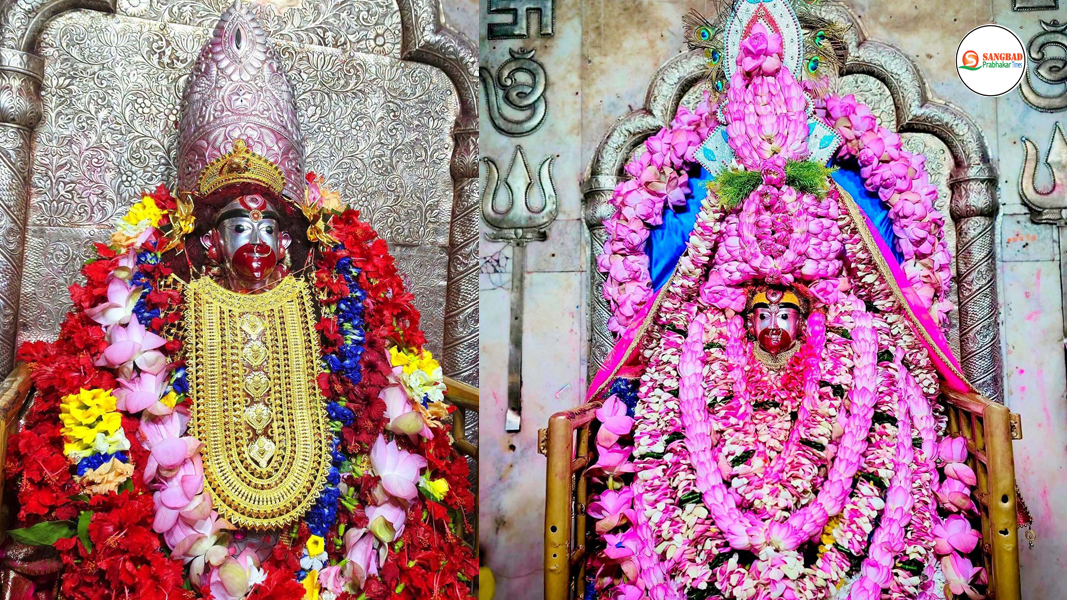
এসপিটি নিউজ, তারাপীঠ, ৯ সেপ্টেম্বর: কৌশিকী অমাবস্যা মানেই তারাপীঠ। আর কৌশিকী অমাবস্যার রাত মানেই মা তারার আরাধনা, তন্ত্রসাধনা, সাধু-সন্ন্যাসীর সমাগম এবং লক্ষ লক্ষ ভক্তের পদধ্বনিতে মুখর বীরভূমের এই ঐতিহ্যবাহী শক্তিক্ষেত্র।
২০২৬ সালের কৌশিকী অমাবস্যাকে কেন্দ্র করে বৃহস্পতিবার সকাল থেকেই ভক্তদের ঢল নেমেছে তারাপীঠে। প্রশাসনের অনুমান, এবারের উৎসবে ছয় লক্ষেরও বেশি পুণ্যার্থীর সমাগম হতে পারে। সেই বিপুল জনসমাগম সামাল দিতে প্রশাসন ও মন্দির কর্তৃপক্ষ নিয়েছে ব্যাপক নিরাপত্তা ও পরিকাঠামোগত প্রস্তুতি।
মা তারার দর্শন এবং আশীর্বাদ লাভের আশায় দেশের বিভিন্ন প্রান্ত থেকে ভক্তরা এসে পৌঁছেছেন তারাপীঠে। কেবল সাধারণ পুণ্যার্থীই নন, এই তিথিকে কেন্দ্র করে বিভিন্ন প্রান্ত থেকে সাধু-সন্ন্যাসী, তান্ত্রিক এবং সাধকরাও তারাপীঠে সমবেত হন।
কিন্তু প্রশ্ন হল—কৌশিকী অমাবস্যা কেন তারাপীঠের সঙ্গে এত গভীরভাবে যুক্ত? এই তিথির মাহাত্ম্যই বা কোথায়?
নতুন সরকারের আমলে বিশেষ গুরুত্ব
এবারের কৌশিকী অমাবস্যার আয়োজনের একটি বিশেষ দিক হল প্রশাসনিক গুরুত্ব।
রাজ্যে নতুন সরকার দায়িত্ব নেওয়ার পর এই প্রথম কৌশিকী অমাবস্যাকে কেন্দ্র করে তারাপীঠে বিশেষ প্রশাসনিক প্রস্তুতি নেওয়া হয়েছে। মন্দির ও সংলগ্ন এলাকায় নিরাপত্তা, ভিড় নিয়ন্ত্রণ, যান চলাচল, অগ্নিনির্বাপণ এবং ভক্তদের পরিষেবাকে গুরুত্ব দেওয়া হয়েছে।
প্রশাসনের পক্ষ থেকে বিপুল সংখ্যক পুলিশ মোতায়েনের পাশাপাশি অগ্নিনির্বাপণ ব্যবস্থাও জোরদার করা হয়েছে। সংবাদসূত্র অনুযায়ী, প্রায় চার হাজার পুলিশকর্মী এবং দুই শতাধিক দমকলকর্মী নিরাপত্তা ব্যবস্থায় থাকছেন। ভিড় নিয়ন্ত্রণে প্রযুক্তিনির্ভর নজরদারির ব্যবস্থাও করা হয়েছে। একদিন আগেই বিশেষ অনুষ্ঠানের মধ্য দিয়ে শুরু হয় এবারের কৌশিকী অমাবস্যার আনুষ্ঠানিক আয়োজন।
সেই অনুষ্ঠানে ভার্চুয়াল মাধ্যমে বক্তব্য রাখেন রাজ্যের মুখ্যমন্ত্রী শুভেন্দু অধিকারী। মুখ্যমন্ত্রী তাঁর বক্তব্যে মা তারার আশীর্বাদের কথা তুলে ধরেন এবং কৌশিকী অমাবস্যাকে কেন্দ্র করে ভক্তদের জন্য প্রয়োজনীয় ব্যবস্থা গ্রহণ ও উৎসবকে সুষ্ঠুভাবে পরিচালনার ওপর গুরুত্ব দেন।
এবারের আয়োজনের বিশেষ আকর্ষণগুলির মধ্যে রয়েছে হেলিকপ্টার থেকে পুষ্পবৃষ্টি। ভক্তদের অভ্যর্থনা জানাতে আকাশ থেকে ফুলের বৃষ্টি—তারাপীঠের উৎসবের আবহে যোগ করেছে নতুন মাত্রা। এই উদ্যোগটি এবারের আয়োজনেই প্রথমবারের মতো নেওয়া হয়েছে বলে সংবাদমাধ্যমে জানানো হয়েছে।
নিখিল বন্দ্যোপাধ্যায়ের কৃতজ্ঞতা
এবারের আয়োজন নিয়ে সন্তোষ প্রকাশ করেছেন তারাপীঠ মন্দির কমিটির সভাপতি নিখিল বন্দ্যোপাধ্যায়। তাঁর বক্তব্য অনুযায়ী, মুখ্যমন্ত্রীর নির্দেশ এবং প্রশাসনের সহযোগিতায় এবারের কৌশিকী অমাবস্যার আয়োজন অন্য মাত্রা পেয়েছে। তারাপীঠ মন্দিরের উন্নয়ন, ভক্তদের সুবিধা এবং উৎসবকে সুষ্ঠুভাবে পরিচালনার ক্ষেত্রে প্রশাসনের সহযোগিতার কথাও তুলে ধরেন তিনি। এই সহযোগিতার জন্য মুখ্যমন্ত্রী এবং প্রশাসনের প্রতি কৃতজ্ঞতা প্রকাশ করেন মন্দির কমিটির সভাপতি।
‘তারালোক’-এ ধর্ম, গবেষণা ও তারাপীঠের ইতিহাস
তবে এবারের অনুষ্ঠানের গুরুত্ব শুধুমাত্র উৎসব আয়োজন বা প্রশাসনিক প্রস্তুতিতে সীমাবদ্ধ ছিল না। ধর্মীয় ইতিহাস, পুরাণ এবং তারাপীঠের সাধনা-পরম্পরা নিয়েও ছিল বিশেষ আলোচনা। তারাপীঠ মন্দির কমিটি পরিচালিত ‘তারালোক’ পত্রিকার সম্পাদক, বিশিষ্ট লেখক, প্রাবন্ধিক ও তারা-গবেষক প্রবোধ বন্দ্যোপাধ্যায় কৌশিকী অমাবস্যার ধর্মীয় ও ঐতিহাসিক তাৎপর্য নিয়ে আলোচনা করেন।
কেন কৌশিকী অমাবস্যা তারাপীঠের অন্যতম প্রধান তিথি? মা তারার আরাধনায় এই রাতের বিশেষত্ব কোথায়? তারাপীঠের সাধনা-পরম্পরায় এই তিথির অবস্থান কতটা গুরুত্বপূর্ণ?
এই সমস্ত প্রশ্নের উত্তর খোঁজার চেষ্টা করেন প্রবোধ বন্দ্যোপাধ্যায়।
অনুষ্ঠানের শেষে আনুষ্ঠানিকভাবে প্রকাশ করা হয় ‘তারালোক’ পত্রিকার বর্তমান সংখ্যা। ফলে ধর্মীয় অনুষ্ঠানের পাশাপাশি তারাপীঠের ইতিহাস, গবেষণা এবং আধ্যাত্মিক ঐতিহ্যকে লিপিবদ্ধ করার একটি গুরুত্বপূর্ণ উদ্যোগও সামনে আসে।
কৌশিকী দেবী কে?
কৌশিকী অমাবস্যার তাৎপর্য বুঝতে গেলে ফিরে তাকাতে হয় পুরাণের দিকে। পুরাণকথা অনুযায়ী, অসুররাজ শুম্ভ ও নিশুম্ভের অত্যাচারে দেবতারা যখন বিপর্যস্ত, তখন তাঁরা দেবী পার্বতীর শরণাপন্ন হন। দেবী পার্বতীর দেহকোষ থেকে এক অপরূপ দেবীশক্তির আবির্ভাব ঘটে। এই দেবীই কৌশিকী নামে পরিচিত।
পুরাণের বর্ণনায় কৌশিকী দেবী অশুভ শক্তির বিরুদ্ধে দেবশক্তির প্রতীক। শুম্ভ ও নিশুম্ভের মতো অসুরদের বিনাশের সঙ্গে তাঁর কাহিনি যুক্ত।
এই কারণেই কৌশিকী অমাবস্যাকে অনেক ভক্ত অশুভ শক্তির বিনাশ এবং শুভ শক্তির জাগরণের তিথি হিসেবে মনে করেন।
কেন তারাপীঠে এত ভক্তের সমাগম?
তারাপীঠে কৌশিকী অমাবস্যার বিশেষ গুরুত্বের সঙ্গে জড়িয়ে রয়েছে সাধক বামাক্ষ্যাপার নাম।
কথিত আছে, ১৮৬৮ সালে কৌশিকী অমাবস্যার তিথিতে তারাপীঠ মহাশ্মশানের শ্বেতশিমূল বৃক্ষের নীচে পঞ্চমুণ্ডির আসনে সাধনায় বসে বামাক্ষ্যাপা সিদ্ধিলাভ করেছিলেন। এই বিশ্বাসই পরবর্তী সময়ে কৌশিকী অমাবস্যাকে তারাপীঠের সাধনা-পরম্পরার সঙ্গে আরও গভীরভাবে যুক্ত করে।
তারও আগে ঋষি বশিষ্ঠের সঙ্গে এই সাধনক্ষেত্রের সম্পর্কের কথাও প্রচলিত রয়েছে। কথিত আছে, তিনিও তারাপীঠের শ্মশানক্ষেত্রে সাধনা করে মা তারার দর্শন ও সিদ্ধিলাভ করেছিলেন।
বামাক্ষ্যাপার সিদ্ধিলাভের কাহিনি আজও তারাপীঠের ধর্মীয় ঐতিহ্যের অন্যতম গুরুত্বপূর্ণ অংশ। বিভিন্ন সংবাদ ও ঐতিহ্যবিষয়ক সূত্রেও কৌশিকী অমাবস্যার সঙ্গে বামাক্ষ্যাপার সাধনার সম্পর্কের উল্লেখ পাওয়া যায়।
এই দিনে কী ফল লাভ হয়—কী বিশ্বাস ভক্তদের?
কৌশিকী অমাবস্যায় তারাপীঠে পুজো দিলে বিশেষ পুণ্যলাভ হয়—এমন বিশ্বাস বহু ভক্তের মধ্যে প্রচলিত। অনেকে মনে করেন, এই দিনে মা তারার আরাধনা করলে জীবনের অশান্তি, ভয়, রোগ-শোক এবং নেতিবাচক শক্তি দূর হয়। দ্বারকা নদীতে স্নান, মা তারার পুজো, দান-ধ্যান এবং বিশেষ ধর্মীয় আচার পালনের মধ্য দিয়ে ভক্তরা মায়ের কৃপা লাভের প্রার্থনা করেন।
তান্ত্রিক সাধকদের কাছে আবার এই রাতের গুরুত্ব আরও গভীর। তবে তন্ত্রসাধনার মতো বিশেষ আচার সাধারণ মানুষের জন্য নয়; তা গুরু বা উপযুক্ত সাধকের নির্দেশেই সম্পন্ন করার ধর্মীয় রীতি রয়েছে।
কৌশিকী অমাবস্যার নামের উৎস নিয়েও রয়েছে নানা মত
কৌশিকী অমাবস্যার নামকরণ নিয়েও একাধিক মত প্রচলিত। একটি মত অনুযায়ী, ভাদ্র অমাবস্যায় কুশ উৎপাদনের সঙ্গে যুক্ত একটি প্রাচীন নামের বিবর্তনের মধ্য দিয়ে ‘কৌশিকী’ নামটির প্রচলন হয়েছে। অন্য একটি মত কুশিক বা কৌশিক জাতি এবং দেবী আরাধনার ঐতিহ্যের সঙ্গে এই নামের সম্পর্ক খোঁজে।
অর্থাৎ, কৌশিকী অমাবস্যার নাম ও উৎপত্তি নিয়ে একটিমাত্র সর্বসম্মত ব্যাখ্যা নেই। ধর্মীয় গ্রন্থ, লোকবিশ্বাস, তান্ত্রিক পরম্পরা এবং আঞ্চলিক ঐতিহ্য—সব মিলিয়েই এই তিথির বর্তমান পরিচয় তৈরি হয়েছে।
শুধু ধর্মীয় উৎসব নয়, তারাপীঠের সাংস্কৃতিক ঐতিহ্যও
তারাপীঠকে শুধু একটি ধর্মীয় তীর্থস্থান হিসেবে দেখলে এই জায়গাটির সম্পূর্ণ পরিচয় ধরা পড়ে না। তারাপীঠের সঙ্গে জড়িয়ে রয়েছে বাংলার তন্ত্রসাধনা, শাক্ত সংস্কৃতি, লোকবিশ্বাস, সাধক-পরম্পরা, সাহিত্য এবং আধ্যাত্মিক ঐতিহ্য। কৌশিকী অমাবস্যা সেই দীর্ঘ ঐতিহ্যের অন্যতম গুরুত্বপূর্ণ অধ্যায়। এই একটি রাতকে কেন্দ্র করে এখানে যেমন লক্ষ লক্ষ সাধারণ ভক্তের সমাগম হয়, তেমনই বিভিন্ন প্রান্ত থেকে আসেন সাধু-সন্ন্যাসী ও সাধকরা।
মা তারার আরাধনা, মহাশ্মশানের সাধনা, দ্বারকা নদীর তীর এবং বামাক্ষ্যাপার স্মৃতি—সব মিলিয়ে কৌশিকী অমাবস্যার তারাপীঠ এক অনন্য ধর্মীয়-সাংস্কৃতিক পরিসরে পরিণত হয়।
এবারের তারাপীঠে নতুন মাত্রা
এবার তাই তারাপীঠের কৌশিকী অমাবস্যায় একসঙ্গে দেখা গেল তিনটি ছবি— একদিকে মা তারার আরাধনায় বিপুল ভক্তসমাগম, দ্বিতীয়দিকে প্রশাসনের ব্যাপক নিরাপত্তা ও নাগরিক পরিষেবার প্রস্তুতি, এবং তৃতীয়দিকে তারাপীঠের ধর্মীয় ইতিহাস ও সাধনা-পরম্পরাকে নতুন করে তুলে ধরার উদ্যোগ।
তার সঙ্গে হেলিকপ্টার থেকে পুষ্পবৃষ্টি, বিশেষ অনুষ্ঠান, ‘তারালোক’ পত্রিকার প্রকাশ এবং গবেষণামূলক আলোচনা—সব মিলিয়ে এবারের কৌশিকী অমাবস্যা তারাপীঠে পেয়েছে এক বিশেষ মাত্রা।
কিন্তু সমস্ত আয়োজনের কেন্দ্রে রয়েছেন একমাত্র তিনিই— মা তারা। যাঁর কাছে আজ দেশের বিভিন্ন প্রান্ত থেকে ছুটে এসেছেন অগণিত মানুষ। কারও প্রার্থনা সংসারের শান্তির জন্য, কারও সুস্থতার জন্য, কারও মনের অশান্তি দূর করার জন্য। আর কারও প্রার্থনা শুধু একটাই— “মা, তোমার আশীর্বাদ যেন সবার উপর থাকে।”
কৌশিকী অমাবস্যার এই পবিত্র রাতে তাই তারাপীঠের আকাশে উচ্চারিত হচ্ছে একটাই নাম—জয় তারা।
Published on: সেপ্টে ১০, ২০২৬ at ২৩:৩১
Kaushiki Amavasya at Tarapith: Lakhs of Devotees Gather for Maa Tara Worship as Mythology and Bamakhyapa’s Legacy Draw Crowds
Tarapith, Birbhum | Special Report
SPT NEWS, Tarapith, 9 September, 2026: Kaushiki Amavasya and Tarapith are deeply intertwined. The new-moon night is marked by worship of Maa Tara, tantric rituals, gatherings of ascetics and spiritual practitioners, and the arrival of lakhs of devotees at the historic Shakti shrine in Birbhum, West Bengal.
Devotees began arriving at Tarapith from the morning as the 2026 Kaushiki Amavasya celebrations got underway. According to administrative estimates cited in reports, more than 600,000 pilgrims could visit the shrine during this year’s observance.
Authorities and the temple committee have made extensive arrangements to manage the anticipated crowds, with security, traffic management, fire safety and public services among the key priorities.
Devotees have travelled from different parts of India seeking the darshan and blessings of Maa Tara. Alongside ordinary pilgrims, ascetics, sadhus, tantric practitioners and spiritual seekers have also gathered at Tarapith for the auspicious occasion.
But what makes Kaushiki Amavasya so significant at Tarapith? And how did this particular new-moon night become so closely associated with the shrine?
Special Administrative Focus
This year’s observance has also received significant administrative attention.
It is the first Kaushiki Amavasya at Tarapith since the new state government assumed office, and authorities have placed particular emphasis on security, crowd management, traffic movement, fire safety and pilgrim facilities.
Reports said around 4,000 police personnel and more than 200 firefighters were being deployed as part of the security and emergency arrangements. Technology-assisted surveillance has also been incorporated into the crowd-management strategy.
The formal programme began with a special event a day before the main observance.
Chief Minister Suvendu Adhikari addressed the gathering virtually, referring to the blessings of Maa Tara and stressing the need for adequate arrangements for devotees and the smooth conduct of the festival.
One of the notable features announced for this year’s celebrations is a floral shower from a helicopter, with flowers being dropped from the sky as devotees arrive at the pilgrimage centre. Reports have described the initiative as a first for the event.
Temple Committee Thanks Administration
Tarapith Temple Committee president Nikhil Bandyopadhyay expressed satisfaction with the arrangements.
According to him, the Chief Minister’s directions and administrative cooperation have added a new dimension to this year’s Kaushiki Amavasya celebrations.
He also highlighted the administration’s support for temple development, pilgrim facilities and the smooth management of the festival.
The temple committee president expressed his gratitude to the Chief Minister and the administration for their cooperation.
‘Taralok’: Religion, Research and the History of Tarapith
The significance of this year’s programme, however, extends beyond the festival arrangements.
Religion, mythology, history and Tarapith’s long spiritual tradition were also placed at the centre of the programme.
Prabodh Bandyopadhyay, editor of Taralok, a publication of the Tarapith Temple Committee, and a noted writer, essayist and researcher on Tara traditions, spoke about the religious and historical significance of Kaushiki Amavasya.
Why is Kaushiki Amavasya considered one of the most important observances at Tarapith?
What makes this night significant in the worship of Maa Tara?
And how important is the observance within Tarapith’s wider spiritual tradition?
These were among the questions explored during the discussion.
The latest issue of Taralok was also formally released at the programme, adding an important research and documentation dimension to the religious gathering.
Who Was Kaushiki?
The significance of Kaushiki Amavasya is rooted partly in Hindu mythology.
According to traditional accounts, when the gods were troubled by the growing power of the demons Shumbha and Nishumbha, they sought the intervention of Goddess Parvati.
A powerful divine form is said to have emerged from the cells or sheath of Parvati’s body. This manifestation came to be known as Kaushiki.
In the mythological tradition, Goddess Kaushiki represents divine power confronting destructive and demonic forces. Her story is closely associated with the destruction of Shumbha and Nishumbha.
For many devotees, Kaushiki Amavasya therefore represents a time associated with the victory of auspicious and divine forces over evil.
Why Does Tarapith Attract Such Large Crowds?
The special significance of Kaushiki Amavasya at Tarapith is also closely linked to the legendary spiritual life of Bamakhyapa, one of Bengal’s best-known tantric saints.
According to local tradition, Bamakhyapa attained spiritual accomplishment in 1868, on Kaushiki Amavasya, while meditating at the Panchamundi seat beneath the Shwet Shimul tree in the Tarapith cremation ground.
The belief surrounding Bamakhyapa’s spiritual attainment subsequently strengthened the association between Kaushiki Amavasya and Tarapith’s tantric tradition.
Tarapith’s spiritual history is also traditionally linked to the sage Vashishtha. According to legend, he practised spiritual austerities at the cremation ground and received the vision and grace of Maa Tara.
The story of Bamakhyapa’s spiritual attainment remains one of the defining elements of Tarapith’s religious heritage and continues to shape the significance of Kaushiki Amavasya at the shrine.
What Do Devotees Believe?
Many devotees believe that worshipping Maa Tara at Tarapith on Kaushiki Amavasya brings special spiritual merit.
Some believe that prayers offered on this night can help remove fear, suffering, illness, mental distress and negative influences from life.
Devotees traditionally undertake rituals that may include bathing in the Dwarka River, worshipping Maa Tara, charitable acts, meditation and other religious observances.
For tantric practitioners, the night carries an even deeper significance. Tantric practices, however, are traditionally regarded as specialised disciplines undertaken under the guidance of an appropriate guru or practitioner and are not ordinary public rituals.
Different Views on the Origin of the Name
There are also different interpretations surrounding the origin of the term Kaushiki Amavasya.
One traditional explanation connects the name with an ancient association involving the growth of kush grass during the month of Bhadra.
Other interpretations explore links with the ancient Kushika or Kaushika tradition and the worship of the Goddess.
There is therefore no single universally accepted explanation for the origin of the name. Religious texts, regional traditions, folk beliefs and tantric practices have all contributed to the way Kaushiki Amavasya is understood today.
More Than a Religious Festival
Tarapith cannot be understood only as a religious pilgrimage centre.
The site is deeply connected with Bengal’s Shakta tradition, tantric practices, folk beliefs, spiritual lineages, literature and cultural history.
Kaushiki Amavasya is one of the most important chapters in that continuing heritage.
The occasion brings together huge numbers of ordinary devotees as well as sadhus, ascetics and spiritual practitioners from different parts of India.
Maa Tara worship, the cremation-ground tradition, the banks of the Dwarka River and the enduring memory of Bamakhyapa combine to give Kaushiki Amavasya at Tarapith a distinctive religious and cultural character.
A New Dimension to This Year’s Celebration
This year’s Kaushiki Amavasya at Tarapith therefore brings together three distinct dimensions.
First, the massive gathering of devotees seeking the blessings of Maa Tara.
Second, an extensive administrative effort focused on security, crowd management and public services.
And third, a renewed effort to document and highlight Tarapith’s religious history, spiritual traditions and intellectual heritage.
The helicopter flower shower, the special programme, the release of Taralok and discussions on the history and spiritual traditions of Tarapith have added further dimensions to the occasion.
Yet at the heart of all these arrangements remains one central figure—
Maa Tara.
Thousands upon thousands of devotees have travelled to Tarapith with their own prayers: for peace in their families, good health, relief from suffering, or simply for the grace of the Goddess.
And on this sacred night, the prayer rising from Tarapith remains simple—
May Maa Tara’s blessings remain with everyone.