

ভারতে Experience-Based Travel কেন দ্রুত জনপ্রিয় হচ্ছে – একটি বিশেষ প্রতিবেদন

Published on: এপ্রি ২০, ২০২৬ at ১৩:১২

Reporter: Aniruddha Pal
এসপিটি নিউজ, কলকাতা, ২০ এপ্রিল: ভারতের পর্যটন চিত্র দ্রুত বদলে যাচ্ছে। একসময় যেখানে ভ্রমণ মানেই ছিল জনপ্রিয় দর্শনীয় স্থান ঘুরে দেখা, এখন সেই ধারণা বদলে গিয়ে ভ্রমণ হয়ে উঠেছে অনুভবের এক গভীর যাত্রা। আজকের পর্যটক শুধু জায়গা দেখতে চান না, বরং সেই জায়গার সংস্কৃতি, মানুষ, খাবার, জীবনযাপন এবং প্রকৃতির সঙ্গে নিজেকে যুক্ত করতে চান। এই পরিবর্তিত ধারা পরিচিত হয়েছে experience-based travel নামে, যা এখন দেশের পর্যটন শিল্পে অন্যতম বড় ট্রেন্ড।
নতুন প্রজন্ম, বিশেষ করে তরুণ ভ্রমণকারীরা, আর শুধু ছবি তোলা বা চেকলিস্ট পূরণের মধ্যে নিজেদের সীমাবদ্ধ রাখছেন না। তারা চান এমন অভিজ্ঞতা যা তাদের ব্যক্তিগতভাবে সমৃদ্ধ করবে এবং নতুন কিছু শেখাবে। সোশ্যাল মিডিয়ার প্রভাবও এখানে বড় ভূমিকা রাখছে, কারণ অনন্য ও ভিন্নধর্মী ভ্রমণের অভিজ্ঞতা এখন সহজেই ছড়িয়ে পড়ছে বিশ্বজুড়ে। ফলে সাধারণ ট্যুর প্যাকেজের বদলে এখন মানুষ খুঁজছেন এমন ভ্রমণ যেখানে স্থানীয় সংস্কৃতির সঙ্গে সরাসরি মেলবন্ধন সম্ভব।
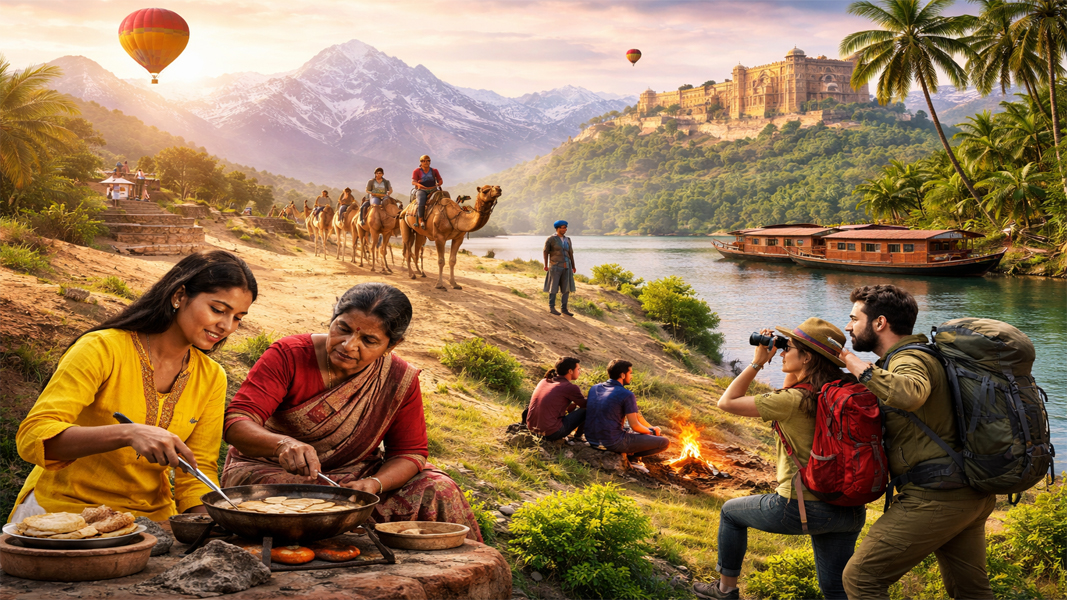
ভারতের বিভিন্ন প্রান্ত ইতিমধ্যেই এই ধরনের ভ্রমণের জন্য জনপ্রিয় হয়ে উঠেছে। যেমন লাদাখ-এ ট্রেকিং বা বৌদ্ধ মঠে থেকে জীবনের অন্যরকম ছন্দ অনুভব করা, সিকিম-এ অর্গানিক ফার্মিং বা গ্রামীণ জীবনের স্বাদ নেওয়া, কেরালা-এর ব্যাকওয়াটারে স্থানীয় জীবনযাত্রার সঙ্গে মিশে যাওয়া কিংবা রাজস্থান-এর মরুভূমিতে লোকসংস্কৃতি ও ঐতিহ্যের স্বাদ নেওয়া—সবই এই নতুন ট্রেন্ডের অংশ। এই ধরনের ভ্রমণে পর্যটকরা শুধুমাত্র দর্শক নন, বরং সক্রিয় অংশগ্রহণকারী হয়ে ওঠেন।
এই পরিবর্তনের ফলে দেশের গ্রামীণ ও কম পরিচিত এলাকাগুলিও নতুন করে পর্যটনের মানচিত্রে উঠে আসছে। স্থানীয় মানুষ হোমস্টে, গাইডিং, হস্তশিল্প ও লোকসংস্কৃতির মাধ্যমে সরাসরি উপার্জনের সুযোগ পাচ্ছেন, যা গ্রামীণ অর্থনীতিকে শক্তিশালী করছে। একই সঙ্গে “slow travel” বা ধীর গতির ভ্রমণের প্রবণতাও বাড়ছে, যেখানে পর্যটকরা একাধিক জায়গা তাড়াহুড়ো করে না ঘুরে একটি জায়গায় বেশি সময় কাটিয়ে গভীরভাবে সেই পরিবেশকে উপলব্ধি করতে চান।
তবে এই প্রবণতার সঙ্গে কিছু চ্যালেঞ্জও রয়েছে। অতিরিক্ত পর্যটনের ফলে পরিবেশের ওপর চাপ বাড়ছে এবং কিছু ক্ষেত্রে স্থানীয় সংস্কৃতির বাণিজ্যিকীকরণ দেখা যাচ্ছে। তাছাড়া সব জায়গায় পর্যাপ্ত অবকাঠামো না থাকাও একটি সমস্যা হিসেবে সামনে আসছে। তা সত্ত্বেও বিশেষজ্ঞরা মনে করছেন, আগামী দিনে ভারতের পর্যটন আরও বেশি করে এই experience-based মডেলের দিকেই এগোবে। সরকারের বিভিন্ন উদ্যোগও এই ধরণের ভ্রমণকে উৎসাহিত করছে।
সব মিলিয়ে বলা যায়, আজকের ভ্রমণ আর শুধু ঘোরাঘুরি নয়, বরং এটি এক গভীর অভিজ্ঞতা, যা মানুষকে নতুনভাবে ভাবতে, শিখতে এবং নিজের সঙ্গে সংযোগ স্থাপন করতে সাহায্য করে। ভারতের বৈচিত্র্যময় সংস্কৃতি ও প্রকৃতি এই নতুন ধরণের ভ্রমণের জন্য এক আদর্শ ক্ষেত্র তৈরি করেছে, যা আগামী দিনে পর্যটনের সংজ্ঞাকেই নতুনভাবে গড়ে তুলবে।
Published on: এপ্রি ২০, ২০২৬ at ১৩:১২
“Travel in India Is Changing Fast—Why Experience-Based Tourism Is Booming in 2026”
SPT news: India’s tourism landscape is undergoing a remarkable transformation. Travel is no longer limited to visiting famous landmarks or ticking destinations off a checklist; it has evolved into a deeper, more immersive experience. Today’s travelers are seeking meaningful connections—with local cultures, traditions, cuisines, and natural surroundings. This shift has given rise to what is now widely known as experience-based travel, a rapidly growing trend across the country.
Modern travelers, especially Millennials and Gen Z, are redefining the purpose of travel. Instead of focusing solely on sightseeing, they are choosing journeys that offer personal enrichment, storytelling, and authentic engagement. Social media platforms have further accelerated this trend, inspiring people to explore destinations in more unique and interactive ways rather than following conventional travel routes.
Across India, several regions have emerged as hotspots for experience-driven tourism. In Ladakh, travelers engage in high-altitude trekking, monastery stays, and stargazing under pristine skies. Sikkim offers organic farming experiences and village-based tourism that bring visitors closer to sustainable living. In Kerala, tourists immerse themselves in backwater life, traditional cuisine, and Ayurvedic wellness practices, while Rajasthan provides desert safaris, folk music, and heritage stays that reflect the richness of India’s cultural legacy. In these journeys, travelers are no longer passive observers—they become active participants in the local way of life.
This shift is also creating a positive economic impact. Rural and lesser-known destinations are gaining visibility, allowing local communities to benefit directly through homestays, guiding services, handicrafts, and cultural performances. At the same time, the concept of “slow travel” is gaining momentum, encouraging tourists to spend more time in one place and develop a deeper understanding of its environment and people.
However, the rise of experience-based travel is not without challenges. Increased footfall in fragile ecosystems can lead to environmental stress, and in some cases, local cultures risk becoming commercialized. Additionally, infrastructure gaps in remote areas can limit the quality of travel experiences. Despite these concerns, industry experts believe that this model represents the future of tourism in India, supported by government initiatives aimed at promoting domestic exploration and sustainable travel.
In conclusion, travel today is no longer just about movement—it is about transformation. Experience-based tourism is reshaping how people explore the world, turning journeys into stories and destinations into lifelong memories. With its immense cultural diversity and natural richness, India stands at the forefront of this global travel evolution.