


Published on: জুলা ২৯, ২০২৬ at ২০:২৩

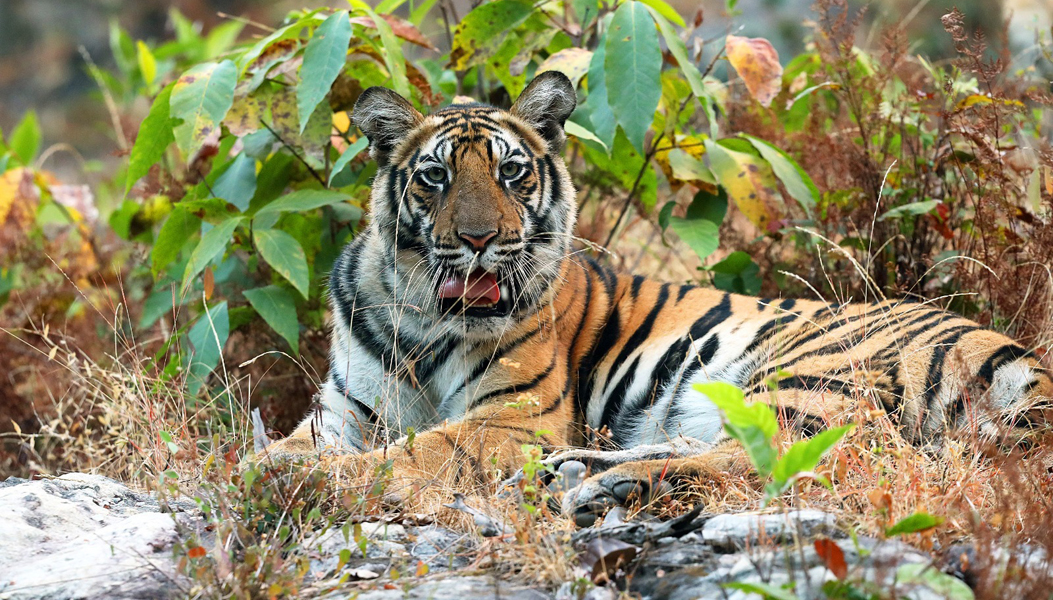
এসপিটি নিউজ, ভোপাল, ২৯ জুলাই: ভারতের ‘টাইগার স্টেট’ হিসেবে পরিচিত মধ্যপ্রদেশ আবারও আন্তর্জাতিক মহলে আলোচনায়। শুধু ৭৮৫টি বাঘের আবাসস্থল হওয়ার কারণেই নয়, বরং বন সংরক্ষণ, স্থানীয় মানুষের জীবিকা, নারী ক্ষমতায়ন, পরিবেশ ব্যবস্থাপনা ও টেকসই পর্যটনকে একই সূত্রে গেঁথে যে সমন্বিত উন্নয়ন মডেল গড়ে তুলেছে, তা এখন বিশ্বজুড়ে একটি অনুসরণযোগ্য উদাহরণ হিসেবে বিবেচিত হচ্ছে।
মধ্যপ্রদেশ পর্যটন বোর্ডের (MPTB) ব্যবস্থাপনা পরিচালক ও রাজ্যের পর্যটন সচিব ড. ইলাইয়ারাজা টি. জানিয়েছেন, বন সংরক্ষণে স্থানীয় জনগণকে প্রকৃত অংশীদার করাই সরকারের মূল লক্ষ্য। তাঁর ভাষায়, যখন একটি পরিবারের জীবিকা হোমস্টে, সাফারি, পর্যটন কিংবা বনভিত্তিক অর্থনৈতিক কর্মকাণ্ডের ওপর নির্ভরশীল হয়ে ওঠে, তখন বন রক্ষা আর প্রশাসনিক দায়িত্ব থাকে না; সেটি স্বাভাবিকভাবেই স্থানীয় মানুষের নিজস্ব দায়বদ্ধতায় পরিণত হয়।
বন সংরক্ষণে স্থানীয় মানুষের সক্রিয় অংশগ্রহণ
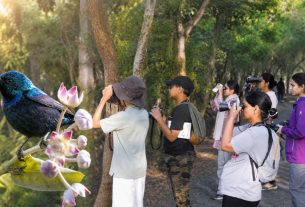
কানহা, বান্ধবগড়, পেঞ্চ, পান্না ও সাতপুরা টাইগার রিজার্ভ সংলগ্ন গ্রামগুলোর হাজারো পরিবার আজ বন সংরক্ষণের সরাসরি অংশীদার। সাফারি চালক, প্রকৃতি গাইড, হোমস্টে পরিচালনাকারী, স্থানীয় হস্তশিল্পী ও পর্যটনসংশ্লিষ্ট বিভিন্ন পেশায় যুক্ত হয়ে তারা নিয়মিত আয় করছেন।
পর্যটকদের কাছে বিশেষ আকর্ষণ হয়ে উঠেছে স্থানীয়ভাবে তৈরি বাঁশের হস্তশিল্প, টেরাকোটা, গন্ড শিল্পকর্ম এবং অন্যান্য ঐতিহ্যবাহী পণ্য। ফলে একদিকে যেমন গ্রামীণ অর্থনীতি শক্তিশালী হচ্ছে, অন্যদিকে আন্তর্জাতিক পর্যায়ে উপজাতীয় শিল্পের নতুন বাজারও তৈরি হচ্ছে।
পান্নার বিস্ময়কর প্রত্যাবর্তন
মধ্যপ্রদেশের সংরক্ষণ মডেলের সবচেয়ে বড় সাফল্যের উদাহরণ পান্না টাইগার রিজার্ভ। ২০০৯ সালে যেখানে একটি বাঘও অবশিষ্ট ছিল না, সেখানে বৈজ্ঞানিক ব্যবস্থাপনা, আবাসস্থল পুনরুদ্ধার এবং স্থানীয় জনগণের সক্রিয় সহযোগিতার মাধ্যমে আজ বাঘের সংখ্যা ৮০-এরও বেশি।
বন্যপ্রাণী সংরক্ষণের ইতিহাসে পান্নার এই পুনরুত্থান বিশ্বের অন্যতম সফল পুনর্বাসন প্রকল্প হিসেবে বিবেচিত হচ্ছে।
ইকো-ট্যুরিজমে নতুন দিগন্ত
মধ্যপ্রদেশ পর্যটন বোর্ডের তথ্য অনুযায়ী, রাজ্যের প্রধান জাতীয় উদ্যান ও টাইগার রিজার্ভগুলোর আশপাশে বর্তমানে নিবন্ধিত ৯৫টি হোমস্টে চালু রয়েছে।
এর মধ্যে কানহা অঞ্চলে ৩১টি, বান্ধবগড়ে ২৪টি, পান্নায় ১৬টি, পেঞ্চে ১৩টি এবং মাধাই-সাতপুরা অঞ্চলে ১১টি হোমস্টে রয়েছে।
এসব হোমস্টের মাধ্যমে পর্যটকরা স্থানীয় পরিবারের কাছ থেকেই সরাসরি হস্তশিল্প ও ঐতিহ্যবাহী পণ্য কিনতে পারেন। এতে মধ্যস্বত্বভোগীর ভূমিকা কমে গিয়ে পর্যটন থেকে অর্জিত অর্থ সরাসরি গ্রামের মানুষের হাতে পৌঁছাচ্ছে।
‘প্রজেক্ট ক্লিন ডেস্টিনেশন’: বর্জ্য থেকেই জীবিকার সুযোগ
বন্যপ্রাণীর আবাসস্থলে প্লাস্টিক দূষণ রোধে ২০২২ সালে পান্না টাইগার রিজার্ভ এলাকায় ‘প্রজেক্ট ক্লিন ডেস্টিনেশন’ চালু করে মধ্যপ্রদেশ পর্যটন বোর্ড।
এই প্রকল্পের আওতায় ১৪টি গ্রাম পঞ্চায়েতের ৩০টি গ্রামে সম্প্রদায়ভিত্তিক কঠিন বর্জ্য ব্যবস্থাপনা ব্যবস্থা গড়ে তোলা হয়েছে। এ পর্যন্ত ৪৫ টনেরও বেশি কঠিন বর্জ্য বৈজ্ঞানিকভাবে প্রক্রিয়াজাত করা হয়েছে।
অপুনর্ব্যবহারযোগ্য প্লাস্টিকের প্রায় ৪২ শতাংশ ‘ইকোকারি’ উদ্যোগের মাধ্যমে ব্যাগ, ফোল্ডার, স্টেশনারি ও অন্যান্য ব্যবহারযোগ্য পণ্যে রূপান্তর করা হচ্ছে। এতে স্থানীয় নারীদের জন্য নতুন কর্মসংস্থানের সুযোগও তৈরি হয়েছে।
পান্নায় সফল হওয়ার পর এই প্রকল্প বর্তমানে বান্ধবগড় টাইগার রিজার্ভেও সম্প্রসারিত হয়েছে।
নারী নেতৃত্বে সংরক্ষণের নতুন অধ্যায়
মধ্যপ্রদেশের সংরক্ষণ কর্মসূচিতে নারী ক্ষমতায়ন অন্যতম গুরুত্বপূর্ণ দিক। স্থানীয় আদিবাসী নারীদের সাফারি গাইড এবং চার-চাকা জিপ (গিপসি) চালক হিসেবে প্রশিক্ষণ দেওয়া হচ্ছে। এর মাধ্যমে তারা আর্থিকভাবে স্বাবলম্বী হয়ে উঠছেন।
একই সঙ্গে স্থানীয় যৌথ বন ব্যবস্থাপনা কমিটিগুলো বন বিভাগের সঙ্গে সমন্বয় করে চোরাশিকার প্রতিরোধ, বন্যপ্রাণীর চলাচলের করিডর রক্ষা এবং মানুষ ও বন্যপ্রাণীর সহাবস্থান নিশ্চিত করতে গুরুত্বপূর্ণ ভূমিকা পালন করছে।
প্রযুক্তিনির্ভর নজরদারির সঙ্গে মাঠপর্যায়ের সমন্বয়
সম্প্রদায়ভিত্তিক উদ্যোগের পাশাপাশি আধুনিক প্রযুক্তিও সংরক্ষণ ব্যবস্থার গুরুত্বপূর্ণ অংশ হয়ে উঠেছে। বনরক্ষীরা জিপিএস-সক্ষম M-STrIPES মোবাইল প্ল্যাটফর্ম ব্যবহার করে বাঘের চলাচল, আবাসস্থলের অবস্থা এবং বনাঞ্চলের বিভিন্ন তথ্য তাৎক্ষণিকভাবে পর্যবেক্ষণ করছেন।
এছাড়া ‘বাফার মে সাফার’ কর্মসূচির মাধ্যমে বাফার জোনে সারা বছর পর্যটনের সুযোগ তৈরি করা হয়েছে, যাতে মূল সংরক্ষিত এলাকায় পর্যটকদের চাপ কমে এবং পরিবেশগত ভারসাম্য বজায় থাকে।
রাজ্যে সম্প্রতি ভীরাঙ্গনা দুর্গাবতী ও রাতাপানি টাইগার রিজার্ভ যুক্ত হওয়ায় সংরক্ষণ ব্যবস্থাও আরও বিস্তৃত হয়েছে।
বিশ্ব সংরক্ষণে মধ্যপ্রদেশের বার্তা
৭৮৫টি বাঘের আবাসস্থল মধ্যপ্রদেশ আজ প্রমাণ করেছে, সফল বন্যপ্রাণী সংরক্ষণ শুধু বনকে ঘিরে রাখার মধ্যে সীমাবদ্ধ নয়। স্থানীয় মানুষের অংশগ্রহণ, নারীর নেতৃত্ব, টেকসই পর্যটন, পরিচ্ছন্ন পরিবেশ এবং গ্রামীণ অর্থনীতির উন্নয়ন—এই পাঁচটি স্তম্ভকে একসঙ্গে এগিয়ে নিয়েই প্রকৃতি সংরক্ষণের দীর্ঘমেয়াদি সাফল্য অর্জন সম্ভব।
বিশেষজ্ঞদের মতে, বন ও মানুষের স্বার্থকে একই সুতোয় বেঁধে মধ্যপ্রদেশ যে মডেল গড়ে তুলেছে, তা ভবিষ্যতের বৈশ্বিক বন্যপ্রাণী সংরক্ষণ ও টেকসই উন্নয়নের জন্য এক কার্যকর ও অনুকরণীয় দৃষ্টান্ত হিসেবে প্রতিষ্ঠিত হতে পারে।
Published on: জুলা ২৯, ২০২৬ at ২০:২৩
Madhya Pradesh Sets Global Benchmark in Tiger Conservation by Linking Wildlife Protection with Rural Prosperity
SPT News, BHOPAL, India: India’s “Tiger State,” Madhya Pradesh, is emerging as a global model for sustainable wildlife conservation by successfully integrating tiger protection with rural livelihoods, women’s empowerment, eco-tourism and environmental management. Home to 785 tigers, the state has demonstrated that conservation can become more effective when local communities directly benefit from protecting forests.
Speaking about the state’s long-term strategy, Dr. Ilayaraja T., Managing Director of the Madhya Pradesh Tourism Board (MPTB) and Tourism Secretary, said the government’s primary objective is to make local communities the principal stakeholders in forest conservation.
“When local families earn their livelihoods through homestays, safari tourism and other eco-tourism activities, protecting forests is no longer merely a legal obligation—it naturally becomes their responsibility and highest priority,” he said.
Communities at the Heart of Conservation
Communities living around major tiger reserves—including Kanha, Bandhavgarh, Pench, Panna and Satpura—have become active partners in conservation. Thousands of local and tribal families now earn sustainable incomes as safari drivers, nature guides, homestay operators and handicraft artisans.
Visitors to these reserves increasingly purchase bamboo crafts, terracotta products, Gond paintings and other traditional artworks directly from village artisans, strengthening rural economies while creating wider markets for indigenous craftsmanship.
Panna’s Remarkable Comeback
One of the strongest examples of Madhya Pradesh’s conservation success is the recovery of Panna Tiger Reserve.
After losing its entire tiger population in 2009, the reserve underwent an extraordinary revival through scientific wildlife management, habitat restoration and strong community participation. Today, Panna is home to more than 80 tigers, making it one of the world’s most successful wildlife restoration stories.
Eco-Tourism Expands Local Opportunities
According to the Madhya Pradesh Tourism Board, 95 registered homestays are currently operating around the state’s major tiger reserves and national parks.
The distribution includes:
- Kanha: 31
- Bandhavgarh: 24
- Panna: 16
- Pench: 13
- Madhai-Satpura: 11
These community-run accommodations enable visitors to purchase authentic handicrafts and local products directly from rural households, ensuring tourism revenue reaches local families without intermediaries.
‘Project Clean Destination’ Converts Waste into Livelihoods
Recognising the growing threat of plastic pollution to wildlife habitats, the Madhya Pradesh Tourism Board partnered with private organisations in 2022 to launch Project Clean Destination around the Panna Tiger Reserve.
The initiative has established community-led solid waste management systems across 30 villages within 14 Gram Panchayats. More than 45 tonnes of solid waste have been scientifically processed to date.
Approximately 42% of non-recyclable plastic waste is upcycled through Ecokaari into products such as bags, folders and stationery, creating employment opportunities for local women. Following its success in Panna, the programme has also been expanded to the Bandhavgarh Tiger Reserve.
Women Take Centre Stage
Women have become an integral part of Madhya Pradesh’s conservation model. Tribal women are being trained as safari guides and four-wheel-drive safari vehicle operators, creating new avenues for financial independence.
Meanwhile, Joint Forest Management Committees continue to work closely with forest officials to prevent poaching, protect wildlife corridors and promote peaceful coexistence between humans and wildlife.
Technology Strengthens Protection Efforts
Alongside community participation, Madhya Pradesh has embraced modern conservation technology.
Forest personnel use the GPS-enabled M-STrIPES mobile platform to monitor tiger movements, track habitat conditions and strengthen field surveillance.
The state has also introduced initiatives such as ‘Buffer Mein Safar’, encouraging year-round tourism in buffer zones to reduce visitor pressure on core habitats. Conservation efforts continue to expand through newly designated tiger reserves, including Veerangana Durgavati and Ratapani.
A Blueprint for Global Conservation
With a tiger population of 785, Madhya Pradesh has demonstrated that successful wildlife conservation extends far beyond protecting forests alone. By aligning community participation, women’s leadership, sustainable tourism, environmental cleanliness and rural economic development, the state has created a conservation model that benefits both people and nature.
As countries worldwide search for sustainable approaches to biodiversity conservation, Madhya Pradesh’s experience offers a compelling blueprint for balancing ecological protection with inclusive economic growth.