

প্রাণিপালনের মাধ্যমে গ্রামীণ মহিলাদের স্বনির্ভর করার উদ্যোগ বায়োটেক-কিষান হাবের

Published on: আগ ১১, ২০২৬ at ১৬:০০

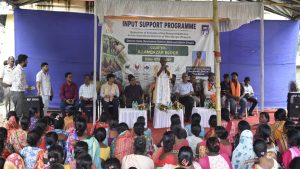
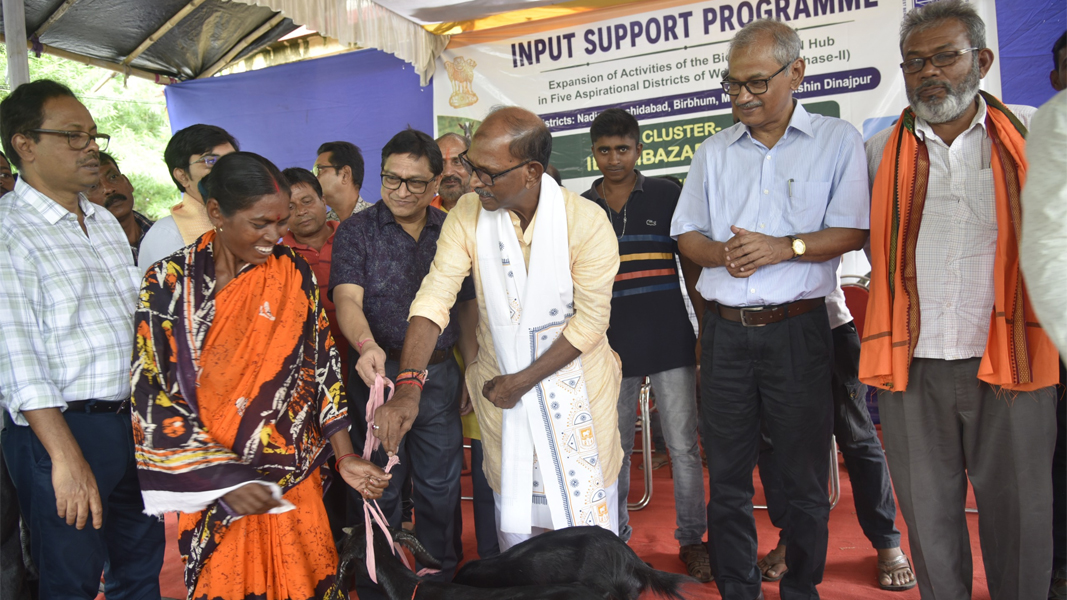
এসপিটি নিউজ, ইলামবাজার ( বীরভূম), ৭ আগস্ট: গ্রামীণ মহিলাদের জীবিকা ও আর্থিক স্বনির্ভরতা বাড়াতে বড় উদ্যোগ নিল পশ্চিমবঙ্গ প্রাণী ও মৎস্যবিজ্ঞান বিশ্ববিদ্যালয়ের বায়োটেক-কিষান হাব। বীরভূমের ইলামবাজার ব্লক ক্লাস্টারে আয়োজিত এক বিশেষ সহায়তা প্রদান কর্মসূচিতে ২১২ জন মহিলা কৃষকের হাতে তুলে দেওয়া হল ৬৩৬টি বিশুদ্ধ জাতের ব্ল্যাক বেঙ্গল ছাগল এবং ৪,২৪০টি উন্নত বনরাজা মুরগির বাচ্চা।
পশ্চিমবঙ্গের পাঁচটি আকাঙ্ক্ষিত জেলায় ডিবিটি-র অর্থানুকূল্যে পরিচালিত ‘এক্সপ্যানশন অব অ্যাক্টিভিটিজ অব দ্য বায়োটেক-কিষান হাব ইন ফাইভ অ্যাসপিরেশনাল ডিস্ট্রিক্টস অব ওয়েস্ট বেঙ্গল (ফেজ–II)’ প্রকল্পের আওতায় এই কর্মসূচির আয়োজন করা হয়।
অনুষ্ঠানে প্রধান অতিথি হিসেবে উপস্থিত ছিলেন পশ্চিমবঙ্গ সরকারের কৃষি দফতরের ভারপ্রাপ্ত মন্ত্রী দুধ কুমার মণ্ডল। পশ্চিমবঙ্গ প্রাণী ও মৎস্যবিজ্ঞান বিশ্ববিদ্যালয়ের উপাচার্য ড. টি. কে. দত্ত এবং গবেষণা, সম্প্রসারণ ও খামার অধিদফতরের অধিকর্তা অধ্যাপক এস. বটব্যালের নেতৃত্বে কর্মসূচিটি পরিচালিত হয়।
প্রত্যেক মহিলা উপভোক্তার হাতে তুলে দেওয়া হয় ৩টি করে বিশুদ্ধ জাতের ব্ল্যাক বেঙ্গল ছাগল এবং ২০টি করে বনরাজা মুরগির বাচ্চা। শুধু প্রাণিসম্পদ বিতরণেই থেমে থাকেনি উদ্যোগটি। উপভোক্তাদের বিজ্ঞানসম্মত ছাগল পালন, উন্নত আবাসন, সুষম খাদ্য, প্রজনন ব্যবস্থাপনা, কৃমিনাশক প্রয়োগ, টিকাকরণ এবং রোগ প্রতিরোধ সম্পর্কে প্রশিক্ষণও দেওয়া হয়।
একইভাবে বনরাজা মুরগি পালনের ক্ষেত্রে বাচ্চার পরিচর্যা, খাদ্য ব্যবস্থাপনা, জৈব-নিরাপত্তা, রোগ প্রতিরোধ এবং ডিম ও মাংসের বাজারজাতকরণ নিয়ে প্রযুক্তিগত পরামর্শ দেন বিশ্ববিদ্যালয়ের বিশেষজ্ঞরা।
‘মহিলারাই গ্রামীণ অর্থনীতির অন্যতম চালিকাশক্তি’
অনুষ্ঠানে দুধ কুমার মণ্ডল বলেন, গ্রামীণ কৃষি ও কৃষি-সহযোগী ক্ষেত্রের অন্যতম প্রধান চালিকাশক্তি মহিলা কৃষকেরা। উন্নত প্রাণিসম্পদ ও মুরগির বাচ্চা দেওয়ার পাশাপাশি যদি তাঁদের বিজ্ঞানসম্মত প্রশিক্ষণ, প্রযুক্তিগত সহায়তা এবং বাজার-সংযোগ নিশ্চিত করা যায়, তাহলে এই ধরনের উদ্যোগ স্থায়ী গ্রামীণ জীবিকা তৈরিতে গুরুত্বপূর্ণ ভূমিকা নিতে পারে।
তিনি উপভোক্তাদের প্রাপ্ত ছাগল ও মুরগির যথাযথ পরিচর্যা এবং আধুনিক প্রযুক্তি ব্যবহারের মাধ্যমে ছোট পরিসরের উদ্যোগকে লাভজনক পারিবারিক খামারে পরিণত করার আহ্বান জানান।
বিশ্ববিদ্যালয়ের উপাচার্য ড. টি. কে. দত্ত বলেন, গবেষণাগারে উদ্ভাবিত প্রযুক্তি সরাসরি কৃষকের খামারে পৌঁছে দেওয়াই বিশ্ববিদ্যালয়ের অন্যতম লক্ষ্য। তাঁর মতে, বায়োটেক-কিষান হাব বিজ্ঞানী ও কৃষকদের মধ্যে একটি কার্যকর সেতুবন্ধন তৈরি করেছে।
উপভোক্তাদের বিশ্ববিদ্যালয়ের বিশেষজ্ঞদের সঙ্গে নিয়মিত যোগাযোগ রাখা এবং সুপারিশ করা বিজ্ঞানসম্মত পালনপদ্ধতি মেনে চলার পরামর্শ দেন তিনি।
অধ্যাপক এস. বটব্যাল জানান, এই প্রকল্পে শুধু ছাগল ও মুরগির বাচ্চা বিতরণ নয়, তার সঙ্গে প্রশিক্ষণ, প্রাণিস্বাস্থ্য পরিষেবা, পুষ্টি ব্যবস্থাপনা, উদ্যোগ বিকাশ এবং নিয়মিত ক্ষেত্র-পর্যবেক্ষণ-এর ব্যবস্থাও রাখা হয়েছে। তাঁর মতে, মহিলাকেন্দ্রিক প্রাণিপালন কর্মসূচি পরিবারের আয় ও পুষ্টি নিরাপত্তা বাড়ানোর পাশাপাশি মহিলাদের আত্মবিশ্বাস এবং সিদ্ধান্ত গ্রহণের ক্ষমতাও বাড়াবে।
প্রযুক্তি, প্রশিক্ষণ ও বাজার—তিন স্তম্ভে স্বনির্ভরতার লক্ষ্য
কর্মসূচিতে বিশ্ববিদ্যালয় ও বায়োটেক-কিষান হাবের বিজ্ঞানী ও প্রযুক্তিবিদরা উপভোক্তাদের সঙ্গে সরাসরি মতবিনিময় করেন। বিতরণ করা ছাগল ও মুরগির পরিচর্যা, স্বাস্থ্য ব্যবস্থাপনা এবং উৎপাদন বৃদ্ধির বিষয়ে দেওয়া হয় হাতে-কলমে পরামর্শ।
উপভোক্তাদের নিয়মিত উৎপাদন, স্বাস্থ্য ও আয়ের হিসাব রাখার পাশাপাশি সময়মতো টিকাকরণ এবং বাজারমুখী উৎপাদন ব্যবস্থার সঙ্গে যুক্ত হওয়ার পরামর্শ দেওয়া হয়েছে।
উপভোক্তাদের আশা, ব্ল্যাক বেঙ্গল ছাগল, বনরাজা মুরগি এবং ধারাবাহিক প্রযুক্তিগত সহায়তা তাঁদের পরিবারের আয় বাড়ানোর পাশাপাশি পুষ্টি ও জীবিকার নিরাপত্তা আরও শক্তিশালী করবে।
বায়োটেক-কিষান হাবের এই উদ্যোগের লক্ষ্য শুধু প্রাণিসম্পদ বিতরণ নয়—প্রযুক্তি, প্রশিক্ষণ ও বাজারের সঙ্গে মহিলা কৃষকদের যুক্ত করে স্থায়ী ও স্বনির্ভর গ্রামীণ অর্থনীতির ভিত শক্ত করা। ইলামবাজারের এই কর্মসূচি সেই বৃহত্তর লক্ষ্যেরই একটি গুরুত্বপূর্ণ পদক্ষেপ হিসেবে দেখা হচ্ছে।

Published on: আগ ১১, ২০২৬ at ১৬:০০
212 Women Farmers Receive Black Bengal Goats, Vanaraja Chicks in Birbhum
Biotech-Kisan Hub initiative aims to boost rural livelihoods and women’s economic independence
SPT NEWS, ILAMBAZAR, Birbhum, India, Aug. 7, 2026: A total of 212 women farmers in West Bengal’s Birbhum district received livestock and poultry support under a government-backed initiative aimed at strengthening rural livelihoods and promoting women’s economic independence.
The assistance was distributed at a special programme held in the Ilambazar block cluster under the “Expansion of Activities of the Biotech-Kisan Hub in Five Aspirational Districts of West Bengal (Phase-II)” project, funded by the Department of Biotechnology (DBT), Government of India.
Each beneficiary received three purebred Black Bengal goats and 20 Vanaraja chicks. In total, the programme distributed 636 Black Bengal goats and 4,240 Vanaraja chicks among the 212 women farmers.
The programme was organised by the Biotech-Kisan Hub under the Directorate of Research, Extension and Farms of the West Bengal University of Animal and Fishery Sciences (WBUAFS).
West Bengal Agriculture Department Minister-in-Charge Dudh Kumar Mondal attended the programme as chief guest. The initiative was conducted under the leadership of WBUAFS Vice-Chancellor Dr. T.K. Dutta and Professor S. Batabyal, Director of Research, Extension and Farms.
Training alongside livestock distribution
The programme went beyond the distribution of animals and poultry. Beneficiaries were provided technical training on scientific goat rearing, improved housing, balanced feeding, breeding management, deworming, vaccination and disease prevention.
They also received guidance on rearing Vanaraja poultry, including chick management, feeding, biosecurity, disease control and the marketing of eggs and meat.
Officials said the combination of livestock assets and technical support was intended to help women farmers develop small-scale animal husbandry and backyard poultry operations into sustainable sources of household income.
Focus on women-led rural livelihoods
Addressing the programme, Mondal said women farmers were among the key drivers of rural agriculture and allied activities. He stressed that access to quality livestock, scientific training, regular technical support and market linkages could help create sustainable livelihood opportunities in rural areas.
He urged the beneficiaries to adopt scientific management practices and properly care for the goats and poultry so that the small-scale initiatives could gradually develop into viable family-based enterprises.
WBUAFS Vice-Chancellor Dr. T.K. Dutta said transferring livestock technologies developed through research directly to farmers was one of the university’s key objectives.
He described the Biotech-Kisan Hub as an important link between scientists and farming communities and encouraged beneficiaries to remain in regular contact with university experts and follow recommended scientific practices.
Professor S. Batabyal said the initiative was designed to provide more than livestock and poultry. It also included training, animal health services, nutrition management, enterprise development and regular field-level monitoring.
He said women-focused livestock programmes could contribute not only to household income and nutritional security but also to greater confidence and participation in family-level economic decision-making.
From technology to income generation
Scientists and technical experts from the university and the Biotech-Kisan Hub interacted directly with the beneficiaries and provided practical guidance on animal care and poultry management.
Beneficiaries were encouraged to maintain regular records of production, animal health and income, follow vaccination schedules and gradually connect their production with market-oriented systems.
The organisers said the initiative is expected to improve livestock productivity, household income and nutritional security while strengthening the role of women in livelihood-related decisions.
The programme forms part of a broader effort to use science-based livestock and poultry technologies to create sustainable, technology-driven and self-reliant rural livelihoods in West Bengal’s aspirational districts.