

জাতীয় চিকেন দিবসে পোলট্রি শিল্পের ভবিষ্যৎ নিয়ে বড় বার্তা ওয়েস্ট বেঙ্গল পোলট্রি ফেডারেশনের; আগামী ৫–৭ বছরে রাজ্যে ডিমের উৎপাদন দ্বিগুণ করার লক্ষ্য
Published on: নভে ১৭, ২০২৬ at ২১:০৮
✍️ অনিরুদ্ধ পাল | সংবাদ প্রভাকর টাইমস

এসপিটি নিউজ, কলকাতা, ১৭ নভেম্বর: ভারতের পোলট্রি শিল্প আজ উৎপাদন ও সম্ভাবনার দিক থেকে এক গুরুত্বপূর্ণ জায়গায় পৌঁছেছে। ডিম উৎপাদনে বিশ্বে দ্বিতীয় এবং মুরগির মাংস উৎপাদনে চতুর্থ স্থানে উঠে এসেছে ভারত। কিন্তু এই অগ্রগতির মাঝেই শিল্পের সামনে বড় বাধা হয়ে দাঁড়িয়েছে পশুখাদ্যের অন্যতম প্রধান উপাদান ভুট্টার ঘাটতি। পরিস্থিতি এমন জায়গায় পৌঁছেছে যে, পর্যাপ্ত ভুট্টার জোগান নিশ্চিত করা না গেলে দেশের পোলট্রি শিল্পের বর্তমান বৃদ্ধির গতি ধরে রাখা কঠিন হয়ে পড়তে পারে। তাই শুধু মুরগি ও ডিমের উৎপাদন বাড়ানো নয়, তার পাশাপাশি ভুট্টা ও সয়াবিনের উৎপাদন বাড়ানোর জন্যও কেন্দ্র ও রাজ্য সরকারের কাছে জোরালো দাবি উঠল।

১৬ নভেম্বর জাতীয় চিকেন দিবস উদযাপন উপলক্ষে আয়োজিত এক অনুষ্ঠানে এই উদ্বেগের কথা তুলে ধরেন ওয়েস্ট বেঙ্গল পোলট্রি ফেডারেশনের সাধারণ সম্পাদক মদন মাইতি। তাঁর বক্তব্যে স্পষ্ট, ভারতের পোলট্রি শিল্পের ভবিষ্যৎ অনেকটাই নির্ভর করছে কৃষি উৎপাদন এবং পশুখাদ্যের জোগানের উপর। বিশেষ করে ভুট্টার উৎপাদন বাড়ানো এখন সময়ের সবচেয়ে বড় দাবি।
মদন মাইতি জানান, ভারতে পোলট্রি শিল্পের যাত্রা শুরু হয়েছিল ১৯৬৩ সালে। সেই সময় ডিম ও মুরগির মাংস উৎপাদনে বিশ্বের প্রথম সারিতে তো দূরের কথা, ভারত ছিল অনেক পিছিয়ে। পোলট্রি শিল্পের পথিকৃৎ ড. বি বি রাওয়ের স্বপ্ন ছিল, একদিন ভারত এই দুই ক্ষেত্রেই বিশ্বের অন্যতম শীর্ষস্থান দখল করবে। সেই স্বপ্নকে সামনে রেখেই আজ দেশের পোলট্রি শিল্প অনেকটা পথ এগিয়েছে। বর্তমানে ডিম উৎপাদনে বিশ্বে ভারতের স্থান দ্বিতীয় এবং মুরগির মাংস উৎপাদনে চতুর্থ।
তবে এই সাফল্যকে চূড়ান্ত বলে মনে করছে না পোলট্রি শিল্পমহল। মদন মাইতির কথায়, ডিম উৎপাদনে প্রথম স্থানে পৌঁছতে হলে ভারতকে চিনকে পিছনে ফেলতে হবে। একইভাবে মুরগির মাংস উৎপাদনেও আরও এগিয়ে যাওয়ার যথেষ্ট সুযোগ রয়েছে। কিন্তু সেই লক্ষ্য পূরণ করতে হলে উৎপাদনের পাশাপাশি খাদ্যশস্যের জোগান নিশ্চিত করা জরুরি।
তিনি জানান, দেশের পোলট্রি শিল্পে ভুট্টা অন্যতম প্রধান খাদ্য উপাদান। পাশাপাশি সয়াবিনও অত্যন্ত গুরুত্বপূর্ণ। অথচ চলতি বছরে তাঁদের হিসাব অনুযায়ী, দেশে প্রায় ৮০ লক্ষ মেট্রিক টন ভুট্টার ঘাটতি দেখা দিয়েছে। খরা ও প্রতিকূল আবহাওয়ার কারণে কর্নাটক, তামিলনাড়ু ও ওড়িশার মতো রাজ্যে ভুট্টার উৎপাদন ক্ষতিগ্রস্ত হয়েছে। এর ফলে পোলট্রি শিল্পের উপর চাপ বাড়ছে। তাঁর দাবি, শিল্পের প্রয়োজন মেটাতে অবিলম্বে অন্তত ৮ লক্ষ মেট্রিক টন ভুট্টার জোগানের ব্যবস্থা করতে হবে।
মদন মাইতি বলেন, কয়েক বছর আগে পর্যন্ত ভারতকে ভুট্টা আমদানি করতে হলেও পরবর্তী সময়ে দেশের কৃষি উৎপাদন থেকেই পোলট্রি শিল্পের প্রয়োজন মিটেছে। কিন্তু এবার পরিস্থিতি আবার উদ্বেগজনক হয়ে উঠেছে। তাই শুধু সাময়িকভাবে ভুট্টার ঘাটতি মেটালেই হবে না, দীর্ঘমেয়াদি পরিকল্পনার মাধ্যমে ভুট্টা ও সয়াবিনের উৎপাদন বাড়াতে হবে। তাঁর মতে, সয়াবিনের উৎপাদন বছরে ১০ থেকে ১৫ শতাংশ এবং ভুট্টার উৎপাদন উল্লেখযোগ্যভাবে বাড়ানো সম্ভব হলে ভারতের পোলট্রি শিল্প আন্তর্জাতিক ক্ষেত্রে আরও শক্তিশালী হয়ে উঠবে।
এখানেই উঠে এসেছে কৃষি ও পোলট্রি শিল্পের পারস্পরিক নির্ভরতার বিষয়টি। একদিকে দেশের কৃষকদের উৎপাদিত ভুট্টা ও সয়াবিন পোলট্রি শিল্পকে শক্তি জোগায়, অন্যদিকে এই শিল্পের প্রসার কৃষকদের জন্যও বড় বাজার তৈরি করে। ফলে পোলট্রি শিল্পের উন্নয়নকে শুধু মুরগি বা ডিম উৎপাদনের মধ্যে সীমাবদ্ধ রাখলে চলবে না। এর সঙ্গে যুক্ত কৃষি, পশুখাদ্য, পরিবহণ, বিপণন এবং কর্মসংস্থানের বিষয়গুলিকেও সমান গুরুত্ব দিতে হবে।
ভারত সরকারের বিকশিত ভারত গড়ার পরিকল্পনার সঙ্গে পোলট্রি শিল্পের এই সম্ভাবনাকে যুক্ত করার কথাও বলেন মদন মাইতি। তাঁর বক্তব্য, বর্তমানে ভারত থেকে বছরে প্রায় ৩ কোটি ডিম রপ্তানি হয়। এই রপ্তানির পরিমাণ ১০ কোটিতে নিয়ে যাওয়ার পরিকল্পনা রয়েছে। পাশাপাশি বছরে ১০ মিলিয়ন মেট্রিক টন মুরগির মাংস রপ্তানির লক্ষ্যমাত্রার কথাও তুলে ধরেন তিনি। তবে এই লক্ষ্য পূরণ করতে হলে কেন্দ্রীয় সরকারকে পোলট্রি শিল্পের পাশে দাঁড়াতে হবে। বিশেষ করে ভুট্টা ও সয়াবিনের উৎপাদন বাড়ানোর জন্য কৃষকদের উৎসাহ, উন্নত বীজ, সেচের ব্যবস্থা এবং প্রয়োজনীয় সরকারি সহায়তা নিশ্চিত করা জরুরি।
দেশের মানুষের খাদ্যতালিকায় প্রোটিনের ঘাটতি পূরণেও পোলট্রি শিল্পের গুরুত্বপূর্ণ ভূমিকা রয়েছে বলে দাবি করেন তিনি। তাঁর বক্তব্য অনুযায়ী, দেশে মাথাপিছু মুরগির মাংসের ব্যবহার এখনও বছরে প্রায় ৭ কিলোগ্রামের মধ্যে সীমাবদ্ধ, যেখানে ১২ কিলোগ্রামের প্রয়োজনীয়তার কথা তুলে ধরা হচ্ছে। ডিমের ক্ষেত্রেও মাথাপিছু বার্ষিক ব্যবহার প্রায় ১০৬টি। অথচ বছরে ১৮০টি ডিম খাওয়ার প্রয়োজনীয়তার কথা বলা হচ্ছে। পশ্চিমবঙ্গে মুরগির মাংসের ব্যবহার প্রায় ৮ কিলোগ্রাম এবং ডিমের ব্যবহার প্রায় ১২০টি বলে জানান তিনি। অর্থাৎ, দেশের পাশাপাশি রাজ্যেও ডিম ও মুরগির মাংসের ব্যবহার বাড়ানোর যথেষ্ট সুযোগ রয়েছে।
তবে উৎপাদন বাড়ানোর ক্ষেত্রে পশ্চিমবঙ্গের সামনে সম্ভাবনার পাশাপাশি কিছু চ্যালেঞ্জও রয়েছে। মদন মাইতি জানান, বর্তমানে রাজ্যে ডিমের চাহিদা ও উৎপাদনের মধ্যে ঘাটতি রয়েছে। এই ঘাটতি পূরণ করতে অন্ধ্রপ্রদেশ থেকে ডিম আনতে হয়। পাশাপাশি পশ্চিমবঙ্গের উপর দিয়ে প্রতিদিন প্রায় ২ থেকে আড়াই কোটি ডিম উত্তর-পূর্ব ভারতের বিভিন্ন রাজ্যে পাঠানো হয়। তাঁর বক্তব্য, রাজ্যে উৎপাদন বাড়ানো গেলে একদিকে স্থানীয় চাহিদা মেটানো সম্ভব হবে, অন্যদিকে উত্তর-পূর্ব ভারতের বাজারেও পশ্চিমবঙ্গ আরও বড় সরবরাহকারী হয়ে উঠতে পারবে।
এই লক্ষ্যকে সামনে রেখে আগামী পাঁচ থেকে সাত বছরের মধ্যে পশ্চিমবঙ্গে ডিমের উৎপাদন দ্বিগুণ করার পরিকল্পনা নিয়েছে ওয়েস্ট বেঙ্গল পোলট্রি ফেডারেশন। রাজ্য সরকার, ফেডারেশন এবং পশ্চিমবঙ্গ প্রাণী ও মৎস্য বিজ্ঞান বিশ্ববিদ্যালয়কে সঙ্গে নিয়ে এই পরিকল্পনা বাস্তবায়নের আশাবাদ ব্যক্ত করেন মদন মাইতি। তিনি জানান, কেন্দ্রীয় সরকারের প্রাণিসম্পদ বিভাগের সঙ্গে বিভিন্ন রাজ্যের পোলট্রি ফেডারেশনের অনলাইন বৈঠক হয়েছে। ভুট্টার জোগান নিশ্চিত করার প্রয়োজনীয়তা সেখানে তুলে ধরা হয়েছে এবং এ বিষয়ে সরকারের কাছে রিপোর্টও জমা দেওয়া হয়েছে। ছট উৎসবের পর কেন্দ্রীয় সরকারের সঙ্গে বৈঠকের পাশাপাশি পশ্চিমবঙ্গের মুখ্যমন্ত্রীর সঙ্গেও দেখা করার পরিকল্পনা রয়েছে তাঁদের।
পোলট্রি শিল্পের সঙ্গে যুক্ত মানুষের কর্মসংস্থানের বিষয়টিও বিশেষভাবে তুলে ধরেন তিনি। তাঁর দেওয়া পরিসংখ্যান অনুযায়ী, পশ্চিমবঙ্গের পোলট্রি শিল্পের বার্ষিক আর্থিক লেনদেন প্রায় ৪০ হাজার কোটি টাকা। এই শিল্পের সঙ্গে যুক্ত রয়েছেন ৬ লক্ষেরও বেশি পোলট্রি খামারি। প্রত্যক্ষ ও পরোক্ষভাবে প্রায় ১৮ লক্ষ মানুষের জীবিকা এই শিল্পের উপর নির্ভরশীল। ফলে ভুট্টার ঘাটতি বা পশুখাদ্যের মূল্যবৃদ্ধির প্রভাব শুধু ব্যবসায়ীদের উপর নয়, কৃষক, খামারি, শ্রমিক, পরিবহণকর্মী এবং সাধারণ ক্রেতাদের উপরও পড়তে পারে। তাঁর কথায়, এই বিপুল কর্মসংস্থান ও অর্থনৈতিক গুরুত্বের কথা মাথায় রেখেই পোলট্রি শিল্পকে রক্ষা করা জরুরি।
অনুষ্ঠানে উপস্থিত পশ্চিমবঙ্গ প্রাণী ও মৎস্য বিজ্ঞান বিশ্ববিদ্যালয়ের উপাচার্য ড. তীর্থ কুমার দত্ত পোলট্রি শিল্পের প্রচার ও জনসচেতনতা বাড়ানোর উপর গুরুত্ব দেন। তিনি ন্যাশনাল এগ কো-অর্ডিনেশন কমিটির প্রচারাভিযানের উদাহরণ তুলে ধরে বলেন, সংস্থাটির নিজস্ব লোগো ও ‘সানডে হো ইয়া মানডে, রোজ খাও আন্ডে’ স্লোগান ডিমের জনপ্রিয়তা বাড়াতে গুরুত্বপূর্ণ ভূমিকা নিয়েছিল। শচীন তেন্ডুলকরকে প্রচারের মুখ করে সেই বার্তা মানুষের কাছে পৌঁছে দেওয়া হয়েছিল। একইভাবে ন্যাশনাল ব্রয়লার কো-অর্ডিনেশন কমিটিরও নিজস্ব লোগো ও স্লোগান তৈরি করা উচিত বলে তিনি মত প্রকাশ করেন।
জাতীয় চিকেন দিবসকে শুধু একটি উদযাপনের দিন হিসেবে নয়, পোলট্রি শিল্পের সম্ভাবনা ও সমস্যাগুলি মানুষের সামনে তুলে ধরার মঞ্চ হিসেবেও ব্যবহার করার উদ্যোগ নেওয়া হয়েছে। মদন মাইতি জানান, এ বছর জাতীয় চিকেন দিবস উপলক্ষে রাজ্যের বিভিন্ন এলাকায় ১০০টি প্রচার ট্যাবলো ঘুরছে। তাঁদের লক্ষ্য, মুরগির মাংসের পুষ্টিগুণ, সহজলভ্যতা এবং প্রোটিনের উৎস হিসেবে এর গুরুত্ব সম্পর্কে সাধারণ মানুষকে সচেতন করা।
তিনি আরও জানান, জাতীয় চিকেন দিবস উদযাপনকে আন্তর্জাতিক পর্যায়ে পৌঁছে দেওয়ার পরিকল্পনাও রয়েছে। গত ছয় বছর ধরে ১৬ নভেম্বর জাতীয় চিকেন দিবস পালন করা হচ্ছে। সাত বছর পূর্ণ হওয়ার পর এই দিনটিকে আন্তর্জাতিক চিকেন দিবস হিসেবে স্বীকৃতি দেওয়ার জন্য রাষ্ট্রসঙ্ঘের কাছে আবেদন জানানোর পরিকল্পনা রয়েছে তাঁদের। তাঁর দাবি, জাপান-সহ কয়েকটি দেশও গত বছর থেকে এই দিনটি পালন করতে শুরু করেছে। এই উদ্যোগের মাধ্যমে আন্তর্জাতিক স্তরে ১৬ নভেম্বরের স্বীকৃতি আদায়ের ব্যাপারে তাঁরা আশাবাদী।
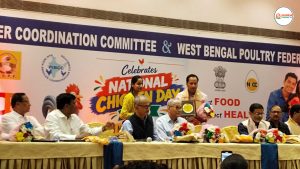
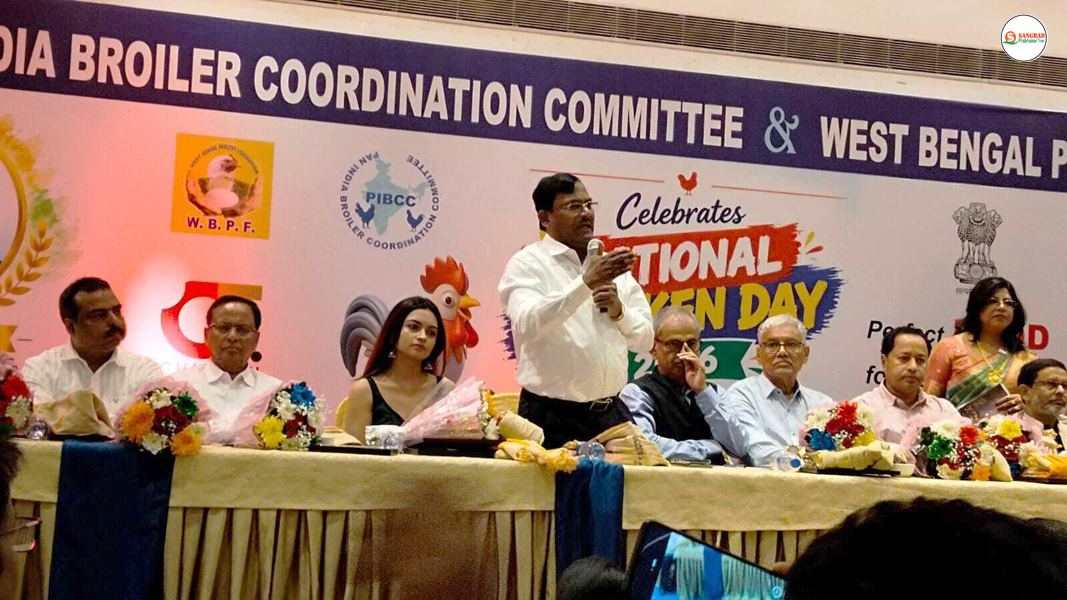
অনুষ্ঠানের সূচনা হয় প্রদীপ প্রজ্বলনের মাধ্যমে। পরে বেলুন উড়িয়ে জাতীয় চিকেন দিবসকে স্বাগত জানানো হয়। অনুষ্ঠানে উপস্থিত ছিলেন পশ্চিমবঙ্গ প্রাণী ও মৎস্য বিজ্ঞান বিশ্ববিদ্যালয়ের প্রাক্তন উপাচার্য পূর্ণেন্দু বিশ্বাস, ফেডারেশনের সিনিয়র সহ-সভাপতি রাধেশ্যাম রায়, যুগ্ম সহ-সভাপতি সনৎ সরকার ও পার্থ সুর, কোষাধ্যক্ষ পলাশ কুমার দে, বিশ্ববিদ্যালয়ের ডিন নীলোৎপল ঘোষ, ড. মৃত্যুঞ্জয় মণ্ডল, ড. বাণীব্রত রায়-সহ বিশিষ্ট ব্যক্তিরা।
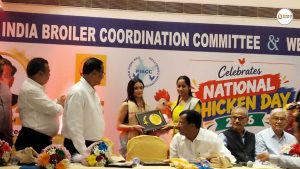
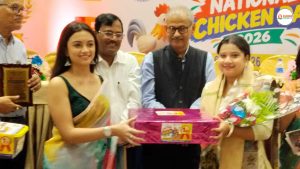
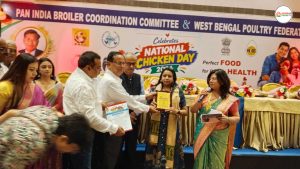
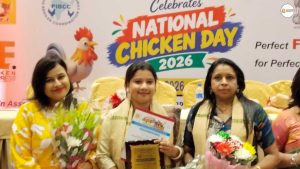
অনুষ্ঠানের অন্যতম আকর্ষণ ছিল চিকেন রেসিপি প্রতিযোগিতা। প্রতিযোগিতায় প্রথম হন ড. ফারহিনা, তাঁর তৈরি চিকেন কেকের জন্য। দ্বিতীয় স্থান অধিকার করেন চম্পা রায়, যিনি তৈরি করেছিলেন টার্কিশ চিকেন টেজার। তৃতীয় হন তানিয়া মাইতি, তাঁর তৈরি আদা পাতা দিয়ে মুরগির ষষ্ঠ রঙের জন্য। পাশাপাশি ফুটবল জাগলার উত্তম দাস এবং অভিনেত্রী তিতিক্ষা দাসের উপস্থিতিও অনুষ্ঠানে বাড়তি আকর্ষণ তৈরি করে।
সব মিলিয়ে জাতীয় চিকেন দিবসের এই আয়োজন থেকে একটি গুরুত্বপূর্ণ বার্তা উঠে এসেছে—ভারতের পোলট্রি শিল্পের সামনে এখন শুধু উৎপাদন বাড়ানোর চ্যালেঞ্জ নেই, রয়েছে সেই উৎপাদন ধরে রাখার জন্য প্রয়োজনীয় খাদ্যশস্যের জোগান নিশ্চিত করার প্রশ্নও। ডিম ও মুরগির মাংসের উৎপাদন বাড়িয়ে আন্তর্জাতিক বাজারে ভারতের অবস্থান আরও শক্তিশালী করতে হলে ভুট্টা ও সয়াবিনের উৎপাদনে বড় পরিবর্তন আনতে হবে। বিশেষ করে ভুট্টার ঘাটতি মেটাতে কেন্দ্র ও রাজ্য সরকার দ্রুত কার্যকর পদক্ষেপ না করলে পোলট্রি শিল্পের দীর্ঘমেয়াদি পরিকল্পনা বাধার মুখে পড়তে পারে। তাই এখন সবচেয়ে বড় প্রশ্ন—ভারতের পোলট্রি শিল্পকে বিশ্বসেরার লক্ষ্যে এগিয়ে নিয়ে যেতে প্রয়োজনীয় কৃষি ও খাদ্যশস্যের জোগান কি সময়মতো নিশ্চিত করা সম্ভব হবে?
Published on: নভে ১৭, ২০২৬ at ২১:০৮
Maize Production Key to Sustaining India’s Poultry Growth, Federation Seeks Urgent Government Intervention
West Bengal Poultry Federation flags feed shortage as a major challenge on National Chicken Day; calls for higher maize and soybean production and targets doubling egg output in the state within five to seven years.
By Aniruddha Pal
SPT NEWS, Kolkata, 17 November: India’s poultry industry has emerged as one of the fastest-growing segments of the country’s agricultural economy. Ranked second globally in egg production and fourth in chicken meat production, the sector has made remarkable progress over the years. However, a growing shortage of maize, one of the most important ingredients in poultry feed, is emerging as a major challenge to sustaining this growth. Industry representatives have now called for urgent government intervention to strengthen maize and soybean production, ensure an uninterrupted supply of poultry feed and safeguard the future of the sector.
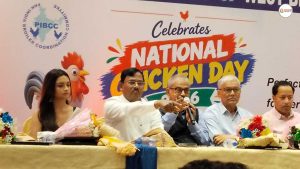
The issue took centre stage during the National Chicken Day celebrations on November 16, where Madan Maity, General Secretary of the West Bengal Poultry Federation, highlighted the growing concerns facing the industry. He emphasised that India’s ambition to become a global leader in poultry production would depend not only on increasing chicken and egg output but also on strengthening the agricultural supply chain that supports the sector.
Recalling the early days of India’s poultry industry, Maity said its organised development began in 1963, when the country was far behind the world’s leading producers of eggs and chicken meat. Dr B. B. Rao, regarded as one of the pioneers of India’s poultry sector, had envisioned a future in which India would emerge as a global leader. According to Maity, the country’s present position in international poultry production reflects the progress made towards fulfilling that vision.
India currently ranks second in global egg production and fourth in chicken meat production. However, the Federation believes that the country has considerable scope to improve its position, particularly in egg production, where China remains ahead.
Maize shortage threatens the industry’s growth
The most pressing concern raised by the Federation is the shortage of maize, a primary energy source in poultry feed. Soybean is another important ingredient in the sector’s feed supply chain.
According to Maity, the Federation’s assessment indicates a maize shortage of around 8 million metric tonnes in the country this year. Drought and adverse weather conditions have affected production in several states, including Karnataka, Tamil Nadu and Odisha, adding pressure to the availability of feed ingredients.
He called for immediate arrangements to ensure the supply of at least 800,000 metric tonnes of maize to support the poultry industry.
India had to depend on imported maize several years ago, although domestic agricultural production subsequently helped meet the industry’s requirements. The present shortage, however, has once again raised concerns about the sustainability of the supply chain.
Maity stressed that temporary arrangements would not be enough. India needs a long-term agricultural strategy to increase maize and soybean production substantially.
He suggested that soybean production should grow by around 10–15 per cent annually, while maize production should register a much higher growth rate to meet the expanding requirements of the poultry sector.
The Federation believes that a stronger agricultural production base would help India reduce its dependence on external supplies, stabilise poultry feed availability and improve the competitiveness of Indian poultry products in international markets.
Poultry industry and agriculture must grow together
The Federation’s concerns highlight an important connection between agriculture and poultry production. Maize and soybean are not merely agricultural commodities; they are essential inputs that determine the operational stability and production capacity of the poultry industry.
Any disruption in their supply can increase feed costs, put pressure on poultry farmers and eventually affect the prices of eggs and chicken meat.
The industry therefore believes that increasing poultry production without ensuring adequate feed availability could prove difficult.
Maity said the government’s Viksit Bharat vision should also include a comprehensive strategy for the poultry sector. He referred to plans to increase India’s annual egg exports from the present level of around 30 million to 100 million and to expand chicken meat exports to 10 million metric tonnes annually.
Achieving these ambitions, he said, would require coordinated action by the Central and state governments, particularly to increase maize and soybean production by providing farmers with the necessary support.
Protein consumption offers significant growth opportunities
The Federation also pointed to the considerable scope for increasing domestic consumption of eggs and chicken meat.
According to figures cited by Maity, India’s annual per capita chicken consumption is currently around seven kilograms, while the benchmark of 12 kilograms was highlighted in his remarks. Similarly, annual per capita egg consumption stands at approximately 106 eggs, compared with the figure of 180 eggs cited in his address.
West Bengal performs relatively better in this regard, with annual per capita chicken consumption approaching eight kilograms and egg consumption around 120 eggs, according to Maity.
He stressed that eggs and chicken meat are among the most affordable sources of protein and can play an important role in addressing nutritional deficiencies. Increasing their availability and consumption would therefore serve both public health and economic objectives.
West Bengal targets doubling egg production
West Bengal is emerging as an important centre of poultry production, but the state continues to face a gap between local demand and domestic supply.
Maity pointed out that West Bengal currently depends on supplies from Andhra Pradesh to meet part of its egg requirements. At the same time, around 20–25 million eggs reportedly pass through the state every day on their way to northeastern states.
The Federation believes that West Bengal has the potential to become a major production and distribution hub for eastern and northeastern India.
With this objective, the West Bengal Poultry Federation is working towards doubling the state’s egg production within the next five to seven years.
The initiative is expected to involve cooperation between the state government, the Federation and the West Bengal University of Animal and Fishery Sciences.
Maity said the Union government’s Department of Animal Husbandry and Dairying had already held an online meeting with poultry federations from different states to discuss the need for ensuring adequate maize supplies. The discussions, he said, had highlighted the urgency of the issue, and a report had subsequently been submitted to the government.
The Federation plans to seek meetings with the Central government and the West Bengal Chief Minister to press for concrete measures to strengthen maize availability and sustain the state’s poultry growth.
A sector supporting millions of livelihoods
Highlighting the economic importance of the poultry industry, Maity said the sector in West Bengal has an annual turnover of approximately ₹40,000 crore.
More than 600,000 poultry farmers are associated with the industry, while over 1.8 million people depend on it directly or indirectly for their livelihoods.
The sector supports a wide network of activities, including farming, feed production, transportation, processing, distribution and retail.
Maity warned that protecting the poultry industry was therefore essential not only for farmers and businesses but also for the millions of people whose livelihoods depend on it.
Call for stronger public awareness and international recognition
At the event, Dr Tirtha Kumar Dutta, Vice-Chancellor of the West Bengal University of Animal and Fishery Sciences, emphasised the importance of branding and public awareness in promoting poultry consumption.
Referring to the National Egg Coordination Committee’s successful promotional campaign, he recalled its popular slogan, ‘Sunday ho ya Monday, Roz Khao Ande’, which was promoted with Sachin Tendulkar as its brand ambassador.
He suggested that the National Broiler Coordination Committee should also develop its own logo and slogan to strengthen public awareness and promote chicken consumption across the country.
The Federation is also seeking international recognition for November 16 as International Chicken Day. Maity said the National Chicken Day initiative had been observed for six consecutive years. After completing seven years, the Federation plans to approach the United Nations to seek international recognition for November 16.
He added that Japan and a few other countries had also started observing the day last year, strengthening the Federation’s hopes of taking the initiative to a global platform.
As part of this year’s celebrations, around 100 promotional tableaux are travelling across different parts of West Bengal to raise awareness about chicken consumption, nutrition and the importance of the poultry industry.
Celebrations mark National Chicken Day
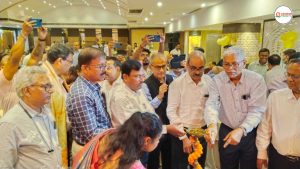
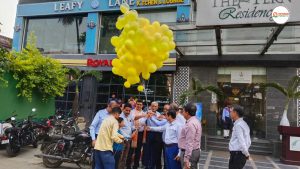
The programme began with the lighting of the ceremonial lamp, followed by the release of balloons to mark the occasion.
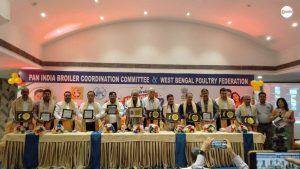
Among those present were Purnendu Biswas, former Vice-Chancellor of the West Bengal University of Animal and Fishery Sciences; Radheshyam Roy, Senior Vice-President of the Federation; Joint Vice-Presidents Sanat Sarkar and Partha Sur; Treasurer Palash Kumar Dey; University Dean Nilotp al Ghosh; Dr Mrityunjay Mondal; and Dr Banibrata Roy, along with other dignitaries.
A chicken recipe competition was another major attraction. Dr Farhina won first prize for her Chicken Cake, while Champa Roy secured second place for her Turkish Chicken Teaser. Tania Maity finished third with her chicken preparation featuring ginger leaves.
Football juggler Uttam Das and actress Titiksha Das also added to the attractions of the event.
The bigger challenge: securing the future of poultry production
The National Chicken Day celebrations brought an important issue into focus: India’s poultry industry cannot achieve its full potential unless the agricultural sector keeps pace with its growing demand for feed ingredients.
The country’s progress in egg and chicken meat production has created new opportunities in domestic consumption, exports and employment. However, the shortage of maize has exposed a critical weakness in the industry’s supply chain.
For India to move towards the top position in global poultry production, increasing maize and soybean output must become a priority alongside expanding poultry farms and processing facilities.
The challenge is particularly significant for West Bengal, which aims to double its egg production within the next five to seven years and strengthen its position as a major poultry supplier to northeastern India.
The message from the Federation is clear: protecting poultry production means protecting agriculture, farmers, food security and millions of livelihoods. Timely government intervention, stronger agricultural support and a sustainable feed supply chain will be essential to achieving India’s poultry ambitions.