


Published on: সেপ্টে ৩০, ২০২৬ at ২৩:২৩
অনিরুদ্ধ পাল। সংবাদ প্রভাকর টাইমস

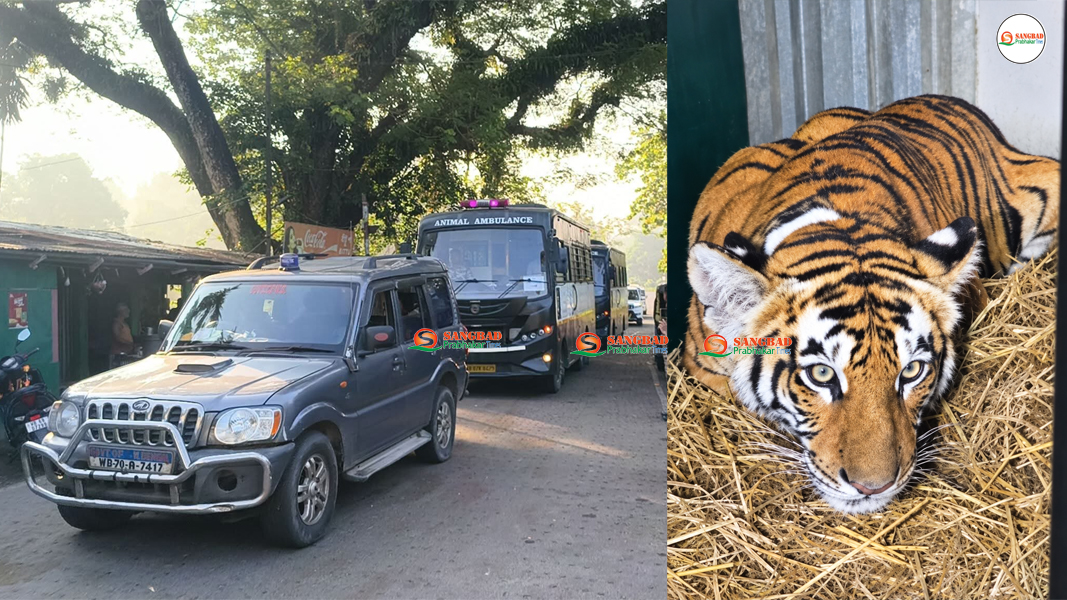
এসপিটি নিউজ, আলিপুরদুয়ার, ৩০ সেপ্টেম্বর ২০২৬: দীর্ঘ অপেক্ষার পর বক্সা ব্যাঘ্র সংরক্ষণক্ষেত্রে আবারও বাঘের প্রত্যাবর্তনের প্রক্রিয়া শুরু হল। বিহারের বাল্মীকি ব্যাঘ্র সংরক্ষণক্ষেত্র থেকে প্রায় তিন বছর বয়সি একটি সুস্থ বাঘিনীকে পশ্চিমবঙ্গের বক্সা ব্যাঘ্র সংরক্ষণক্ষেত্রে নিয়ে আসা হয়েছে। বাঘের পুনঃপ্রতিষ্ঠার লক্ষ্যে নেওয়া এই পদক্ষেপ উত্তরবঙ্গের বন্যপ্রাণ সংরক্ষণ এবং ভবিষ্যতের পর্যটনের ক্ষেত্রেও গুরুত্বপূর্ণ সম্ভাবনার ইঙ্গিত দিচ্ছে।

বন দপ্তরের আধিকারিক ও কর্মীদের দীর্ঘ প্রচেষ্টার পর বাল্মীকি ব্যাঘ্র সংরক্ষণক্ষেত্র থেকে বাঘিনীটিকে নির্দিষ্ট পদ্ধতিতে অচেতন করে নিরাপদে ধরে আনা হয়। প্রায় তিন বছর বয়সি বাঘিনীটি সম্পূর্ণ সুস্থ বলেই প্রাথমিক পরীক্ষায় জানা গিয়েছে। তাকে বিশেষ নিরাপত্তাব্যবস্থার মধ্যে বক্সায় নিয়ে আসার প্রস্তুতি শুরু হয়।
বুধবার ভোরে বাঘিনীটিকে বহনকারী এমআই-১৭ হেলিকপ্টার ভোর ৪টা ৪৫ মিনিটে হাসিমারা বিমানঘাঁটিতে অবতরণ করে। সেখান থেকে সড়কপথে বাঘিনীটিকে বক্সা ব্যাঘ্র সংরক্ষণক্ষেত্রের রাজাভাতখাওয়ার উদ্দেশে নিয়ে যাওয়া হয়। সকাল ৬টা ৪৫ মিনিটে সে রাজাভাতখাওয়ায় পৌঁছয়। এরপর বন দপ্তরের নির্দিষ্ট শিবির কার্যালয়ে তাকে নিয়ে গিয়ে পরবর্তী পর্যায়ের পর্যবেক্ষণ ও পরিচর্যার ব্যবস্থা করা হয়।
নতুন পরিবেশের সঙ্গে বাঘিনীটির মানিয়ে নেওয়ার বিষয়টিকে বিশেষ গুরুত্ব দেওয়া হচ্ছে। তার শারীরিক অবস্থা, চলাফেরা, খাদ্যগ্রহণ এবং আচরণ নিয়মিত পর্যবেক্ষণ করবেন বন দপ্তরের আধিকারিক ও বন্যপ্রাণ বিশেষজ্ঞরা। তার গতিবিধির উপর নজর রাখার জন্য বিশেষ পর্যবেক্ষণ ব্যবস্থাও রাখা হয়েছে।
বন দপ্তরের পরিকল্পনা অনুযায়ী আগামী ২ অক্টোবর বাঘিনীটিকে বক্সার জঙ্গলে নির্দিষ্ট এলাকায় ছেড়ে দেওয়া হবে। অর্থাৎ রাজাভাতখাওয়ায় প্রাথমিক পর্যবেক্ষণ ও নতুন পরিবেশের সঙ্গে মানিয়ে নেওয়ার পর তাকে ধীরে ধীরে তার প্রাকৃতিক আবাসস্থলে ফিরিয়ে দেওয়া হবে।
বক্সায় বাঘের পুনঃপ্রতিষ্ঠার এই উদ্যোগের পেছনে রয়েছে দীর্ঘমেয়াদি সংরক্ষণ পরিকল্পনা। একসময় বক্সার জঙ্গলে বাঘের উপস্থিতি থাকলেও দীর্ঘ সময় ধরে সেখানে নিয়মিত বাঘের অস্তিত্বের প্রমাণ পাওয়া যায়নি। ২০২১ সালের ডিসেম্বর মাসে দীর্ঘ সময় পর বক্সায় একটি বাঘের উপস্থিতি ধরা পড়ার পর ফের আশার আলো দেখা দিয়েছিল। এবার পরিকল্পিতভাবে একটি বাঘিনীকে নিয়ে আসা সেই সম্ভাবনাকে আরও জোরালো করল।
বাঘের জন্য উপযুক্ত পরিবেশ তৈরি করতে গত কয়েক বছরে বক্সার জঙ্গলে শিকারের প্রাণীর সংখ্যা বৃদ্ধির উদ্যোগ নেওয়া হয়েছে। বিভিন্ন উদ্যান ও সংরক্ষণকেন্দ্র থেকে প্রায় ৮৭০টি চিতল হরিণ বক্সার বনাঞ্চলে ছাড়া হয়েছে বলে বন দপ্তর সূত্রে জানা গিয়েছে। পাশাপাশি মানুষের উপস্থিতি কমানো এবং বাঘের নিরাপদ বিচরণক্ষেত্র তৈরি করার জন্য বনাঞ্চলের কিছু এলাকায় পুনর্বাসনের উদ্যোগও নেওয়া হয়েছে।
বক্সার পরিবেশগত গুরুত্ব আরও বেশি, কারণ এই বনাঞ্চলের সঙ্গে ভুটানের ফিপসু বন্যপ্রাণ অভয়ারণ্য এবং অসমের মানস জাতীয় উদ্যানের বনাঞ্চলের সংযোগ রয়েছে। বৃহত্তর পূর্ব হিমালয় ও উত্তর-পূর্ব ভারতের বনভূমির এই সংযোগ বন্যপ্রাণীর স্বাভাবিক চলাচলের জন্য গুরুত্বপূর্ণ।
বাঘিনীকে বক্সায় আনার কারণে সাময়িকভাবে পর্যটন কার্যক্রমেও নিয়ন্ত্রণ আরোপ করা হয়েছে। বাঘিনীকে নতুন পরিবেশে নিরাপদে মানিয়ে নেওয়ার সুযোগ দিতে নির্দিষ্ট কয়েক দিন বক্সা ব্যাঘ্র সংরক্ষণক্ষেত্রের কিছু এলাকায় পর্যটকদের প্রবেশ ও জঙ্গল ভ্রমণ বন্ধ রাখা হয়েছে। সংরক্ষণকাজ নির্বিঘ্ন রাখাই এর মূল উদ্দেশ্য।
বক্সায় বাঘের পুনঃপ্রতিষ্ঠা সফল হলে তার প্রভাব শুধু বন ও বন্যপ্রাণ সংরক্ষণেই সীমাবদ্ধ থাকবে না। বক্সা ইতিমধ্যেই পাহাড়, জঙ্গল, নদী, জীববৈচিত্র্য এবং ঐতিহাসিক আকর্ষণের জন্য উত্তরবঙ্গের অন্যতম গুরুত্বপূর্ণ পর্যটনকেন্দ্র। ভবিষ্যতে যদি বক্সায় একটি স্থায়ী ও প্রজননক্ষম বাঘের সংখ্যা গড়ে ওঠে, তবে বন্যপ্রাণকেন্দ্রিক পর্যটনের আকর্ষণও বাড়তে পারে।
তবে এখনই পর্যটনের সম্ভাবনাকে সাফল্য হিসেবে দেখার সময় নয়। বাঘিনীটি নতুন পরিবেশে কতটা সফলভাবে মানিয়ে নিতে পারে, পর্যাপ্ত শিকারের প্রাণী রয়েছে কি না, বনাঞ্চলের নিরাপত্তা কতটা নিশ্চিত করা যায় এবং মানুষ ও বন্যপ্রাণীর সংঘাত কীভাবে নিয়ন্ত্রণ করা সম্ভব হয়—তার উপরই প্রকল্পটির দীর্ঘমেয়াদি সাফল্য নির্ভর করবে।
বন দপ্তরের পরিকল্পনা সফল হলে আগামী দিনে আরও বাঘ ও বাঘিনীকে বক্সায় আনার উদ্যোগ নেওয়া হতে পারে। দীর্ঘমেয়াদি লক্ষ্য হল বক্সায় একটি স্থিতিশীল বাঘের সংখ্যা গড়ে তোলা এবং এই বনাঞ্চলকে আবারও বাঘের নিরাপদ আবাসস্থল হিসেবে প্রতিষ্ঠা করা।
তাই বিহারের বাল্মীকি ব্যাঘ্র সংরক্ষণক্ষেত্র থেকে বক্সায় একটি বাঘিনীর এই যাত্রা শুধুমাত্র একটি বন্যপ্রাণী স্থানান্তরের ঘটনা নয়। এটি বক্সার বনভূমির পরিবেশগত পুনরুদ্ধারের বৃহত্তর প্রচেষ্টার একটি গুরুত্বপূর্ণ অধ্যায়। সেই প্রচেষ্টা সফল হলে উত্তরবঙ্গের বন্যপ্রাণ সংরক্ষণের পাশাপাশি ভবিষ্যতে দায়িত্বশীল ও নিয়ন্ত্রিত পর্যটনের ক্ষেত্রেও বক্সা নতুন সম্ভাবনার দরজা খুলে দিতে পারে।
Published on: সেপ্টে ৩০, ২০২৬ at ২৩:২৩
Buxa Tiger Reserve: Return of a Royal Bengal Tigress Opens New Possibilities for North Bengal Tourism
By Aniruddha Pal । Sangbad Prabhakar Times
SPT NEWS, Alipurduar, September 30, 2026: A major step has been taken towards restoring the tiger population in West Bengal’s Buxa Tiger Reserve, with a healthy three-year-old Royal Bengal tigress relocated from Bihar’s Valmiki Tiger Reserve to Buxa in Alipurduar district.
The relocation is part of a planned conservation initiative aimed at re-establishing a viable tiger population in Buxa. The move could also have long-term implications for wildlife tourism in North Bengal, although conservation and habitat protection will remain the immediate priorities.
Following sustained efforts by forest department officials and staff, the tigress was captured from Bihar’s Valmiki Tiger Reserve after being safely tranquilised. The nearly three-year-old animal was found to be healthy and was prepared for transportation under specialised veterinary and wildlife management protocols.
The tigress was flown from Bihar to North Bengal in an MI-17 helicopter. The helicopter carrying the animal landed at Hasimara at 4:45 AM, after which the tigress was transported by road towards Buxa Tiger Reserve.
She reached Rajabhatkhawa at 6:45 AM, where forest officials and wildlife personnel took charge of her further care and monitoring. She was subsequently taken to the designated forest facility for observation and acclimatisation.
The tigress will be closely monitored during the initial phase to assess her health, behaviour, movement and adaptation to the new environment. Forest officials and wildlife experts will continue to observe her before she is introduced into the natural forest habitat.
According to the current relocation plan, the tigress is scheduled to be released into the Buxa forests on October 2.
The introduction marks an important phase in West Bengal’s efforts to restore a tiger population in Buxa, where the species had remained largely absent for an extended period. The sighting of a tiger in Buxa in December 2021, after an absence of more than two decades, had renewed hopes that the landscape could once again support the species.
The latest relocation is backed by a wider habitat restoration programme. Strengthening the prey base has been one of the key components of the strategy. Around 870 spotted deer have reportedly been introduced into Buxa from different zoological facilities and protected areas to improve prey availability.
Efforts have also been made to reduce human pressure in critical forest areas and create a more secure habitat for wildlife. These measures are intended to provide the ecological conditions required for a sustainable tiger population.
Buxa is also strategically important because its forest landscape is connected with Bhutan’s Phibsoo Wildlife Sanctuary and Assam’s Manas National Park. The wider forest connectivity is significant for wildlife movement across the eastern Himalayan and northeastern Indian landscape.
The return of the tiger could eventually strengthen Buxa’s position as a wildlife tourism destination. The reserve already attracts visitors because of its forests, hills, rivers, biodiversity and historical attractions. A stable tiger population could add another major dimension to its tourism appeal.
However, the immediate priority remains conservation rather than tourism expansion. The success of the programme will depend on the tigress adapting to her new habitat, adequate prey availability, protection of the forest landscape and effective management of human-wildlife interactions.
Tourism activities in parts of Buxa have been temporarily restricted during the relocation and acclimatisation process. The restrictions are intended to minimise disturbance and allow forest officials to carry out the conservation operation safely.
If the initial phase proves successful, the long-term programme could involve the relocation of additional tigers and tigresses to Buxa. The broader objective is to establish a stable and breeding tiger population in the reserve.
For North Bengal, the development carries significance beyond wildlife conservation. Buxa is already an important tourism destination, and the successful restoration of its tiger population could eventually create opportunities for carefully managed wildlife tourism, benefiting local communities and the wider tourism economy.
The arrival of the tigress from Valmiki Tiger Reserve therefore represents more than a wildlife relocation. It marks a new chapter in the ecological restoration of Buxa and could, in the years ahead, reshape the reserve’s role in North Bengal’s wildlife and tourism landscape.