



Published on: এপ্রি ৩০, ২০২৬ at ২২:৫৮

Reporter: Aniruddha Pal
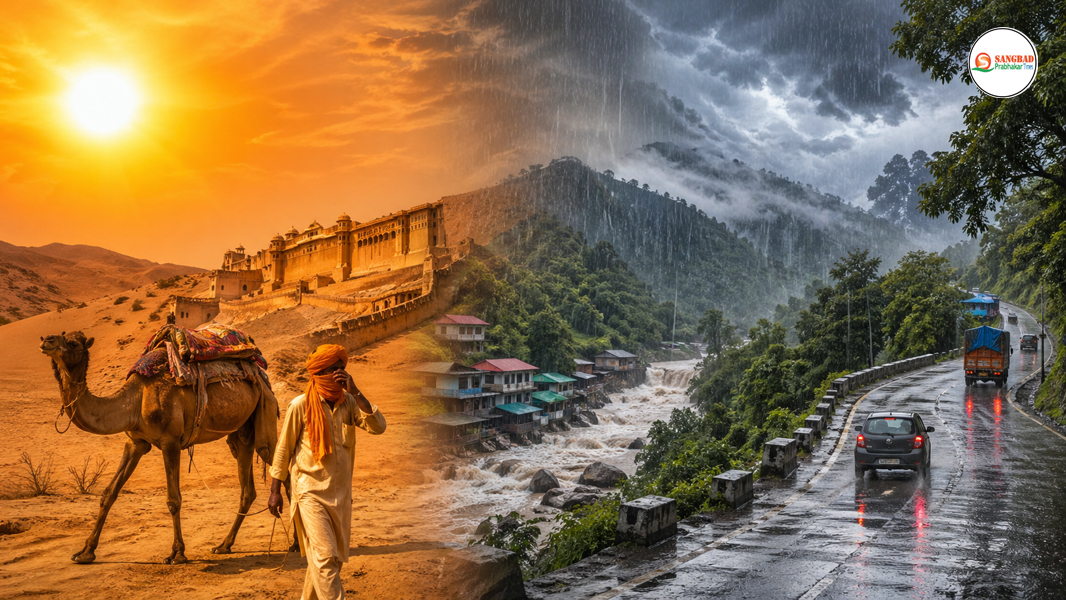
এসপিটি নিউজ: ভারতের এক প্রান্তে তীব্র গরম, অন্য প্রান্তে ভারী বৃষ্টি—এই দ্বিমুখী আবহাওয়ার দাপটে দেশের ভ্রমণ ও পর্যটন পরিস্থিতি নতুন চ্যালেঞ্জের মুখে পড়েছে। সাম্প্রতিক আবহাওয়া সতর্কতায় স্পষ্ট, উত্তর-পশ্চিম ভারতের মরু অঞ্চল বিশেষ করে রাজস্থান জুড়ে তাপপ্রবাহ ক্রমশ ভয়ংকর আকার নিচ্ছে, অন্যদিকে পূর্ব ও উত্তর-পূর্বাঞ্চল যেমন পশ্চিমবঙ্গ, আসাম, মেঘালয় ও সিকিম ভারী থেকে অতি ভারী বৃষ্টির প্রভাবে বিপর্যস্ত হওয়ার আশঙ্কায় রয়েছে। এই বিপরীত আবহাওয়ার প্রভাব সরাসরি পড়ছে পর্যটন পরিকল্পনা ও যাত্রা ব্যবস্থার ওপর।
আবহাওয়া দফতরের পূর্বাভাস অনুযায়ী, রাজস্থানের একাধিক জেলায় তাপমাত্রা ইতিমধ্যেই ৪০ ডিগ্রি সেলসিয়াসের উপরে পৌঁছেছে এবং আগামী কয়েকদিন এই পরিস্থিতি আরও তীব্র হতে পারে। শুষ্ক গরম হাওয়া ও মাটির আর্দ্রতার ঘাটতির কারণে হিটওয়েভ পরিস্থিতি দীর্ঘস্থায়ী হওয়ার সম্ভাবনা রয়েছে। এর ফলে মরুভূমি এলাকা কিংবা ঐতিহাসিক শহরভিত্তিক পর্যটন যেমন জয়পুর বা জয়সালমির-এ ভ্রমণ এখন ঝুঁকিপূর্ণ হয়ে উঠছে। ডিহাইড্রেশন, হিটস্ট্রোক এবং শরীরের ওপর অতিরিক্ত চাপ—এই তিনটি বিষয়ই পর্যটকদের জন্য বড় উদ্বেগের কারণ হয়ে দাঁড়িয়েছে।
অন্যদিকে পূর্ব ভারতে সম্পূর্ণ ভিন্ন আবহাওয়া চিত্র। বঙ্গোপসাগর থেকে আসা আর্দ্র বায়ুর প্রভাবে পশ্চিমবঙ্গসহ উত্তর-পূর্ব ভারতের বিস্তীর্ণ অঞ্চলে প্রবল বৃষ্টিপাতের সম্ভাবনা তৈরি হয়েছে। আবহাওয়া দফতর একাধিক রাজ্যে টানা কয়েকদিনের জন্য সতর্কতা জারি করেছে, যেখানে বজ্রবিদ্যুৎ সহ ঝড়ো হাওয়া ঘণ্টায় ৪০ থেকে ৬০ কিলোমিটার বেগে বইতে পারে। এই পরিস্থিতিতে পাহাড়ি অঞ্চলে ভূমিধস, রাস্তা বন্ধ হয়ে যাওয়া এবং পর্যটকদের আটকে পড়ার আশঙ্কা প্রবল। বিশেষ করে দার্জিলিং বা সিকিমের মতো জনপ্রিয় হিল স্টেশনগুলোতে ভ্রমণ পরিকল্পনা বড় ধরনের অনিশ্চয়তার মুখে পড়েছে।
শুধু প্রাকৃতিক ঝুঁকিই নয়, পরিবহন ব্যবস্থাও এই আবহাওয়ার প্রভাবে ব্যাহত হতে পারে। ভারী বৃষ্টির কারণে শহরে জল জমে যানজট বাড়ার সম্ভাবনা যেমন রয়েছে, তেমনি বিমান ও ট্রেন পরিষেবায় দেরি বা বাতিলের ঘটনাও বাড়তে পারে। একইভাবে তীব্র গরমের কারণে দিনের বেলায় ভ্রমণ কার্যত অস্বস্তিকর হয়ে উঠছে, যা পর্যটকদের অভিজ্ঞতায় সরাসরি প্রভাব ফেলছে।
বিশেষজ্ঞদের মতে, এই ধরনের চরম আবহাওয়ার বৈপরীত্য এখন আর অস্বাভাবিক নয়। উত্তর-পশ্চিম ভারতে শুষ্ক বায়ুপ্রবাহ ও তাপমাত্রা বৃদ্ধির প্রবণতা যেমন বাড়ছে, তেমনি পূর্ব ভারতে আর্দ্র বায়ুর প্রভাবে বৃষ্টিপাতের তীব্রতা বৃদ্ধি পাচ্ছে। জলবায়ু পরিবর্তনের প্রভাবেই এই “স্প্লিট ওয়েদার প্যাটার্ন” আরও ঘন ঘন দেখা যাচ্ছে, যা ভবিষ্যতে পর্যটন শিল্পের জন্য বড় চ্যালেঞ্জ হয়ে উঠতে পারে।
এই পরিস্থিতিতে পর্যটন শিল্পেও আর্থিক প্রভাব পড়ার আশঙ্কা রয়েছে। হঠাৎ আবহাওয়া পরিবর্তনের কারণে বহু পর্যটক শেষ মুহূর্তে বুকিং বাতিল করছেন, যার ফলে হোটেল, ট্যুর অপারেটর এবং স্থানীয় ব্যবসায়ীরা ক্ষতির মুখে পড়তে পারেন। একইসঙ্গে ট্রাভেল ইনস্যুরেন্সের দাবি বাড়ার সম্ভাবনাও উড়িয়ে দেওয়া যাচ্ছে না।
সব মিলিয়ে বর্তমান পরিস্থিতি স্পষ্ট করে দিচ্ছে, ভ্রমণ পরিকল্পনায় এখন আবহাওয়া একটি নির্ধারক ফ্যাক্টর হয়ে উঠেছে। বিশেষজ্ঞরা বলছেন, যেকোনো ভ্রমণের আগে আবহাওয়ার আপডেট নিয়মিত দেখা, বিকল্প পরিকল্পনা রাখা এবং স্থানীয় প্রশাসনের নির্দেশ মেনে চলাই সবচেয়ে নিরাপদ পথ। চরম আবহাওয়ার এই সময়কালে সচেতনতা ও প্রস্তুতিই পারে ভ্রমণকে নিরাপদ রাখতে।
Published on: এপ্রি ৩০, ২০২৬ at ২২:৫৮
India Travel Alert 2026: Heatwave in Rajasthan, Heavy Rain in East & Northeast Disrupt Travel Plans
SPT News: India is currently witnessing a dramatic split in weather conditions, creating serious challenges for travelers across the country. While the northwestern region, especially Rajasthan, is battling an intense heatwave, eastern and northeastern states such as West Bengal, Assam, Meghalaya, and Sikkim are experiencing heavy to very heavy rainfall. This stark contrast in weather is significantly impacting travel plans, tourism flow, and overall mobility.
According to the India Meteorological Department (IMD), temperatures in Rajasthan have already crossed 40°C in several districts and are expected to rise further over the next few days. The ongoing heatwave, fueled by dry winds and low soil moisture, is making outdoor travel extremely risky. Popular tourist destinations like Jaipur and Jaisalmer are witnessing reduced tourist activity due to extreme daytime conditions. Health risks such as dehydration and heatstroke are becoming major concerns for travelers.
On the other hand, eastern and northeastern India are facing a completely different weather scenario. Moisture-laden winds from the Bay of Bengal are triggering intense rainfall across multiple states. The IMD has issued multi-day alerts warning of thunderstorms, lightning, and gusty winds reaching speeds of 40–60 km/h. This raises the risk of landslides in hilly regions, especially in popular destinations like Darjeeling and Sikkim, making travel uncertain and potentially dangerous.
The transportation sector is also under pressure due to these weather extremes. Heavy rainfall may lead to waterlogging in urban areas, causing traffic disruptions and delays in train and flight operations. Meanwhile, extreme heat conditions in the west are discouraging daytime travel, affecting both domestic and international tourism experiences.
Experts believe that such contrasting weather patterns are becoming more frequent due to climate change. While northwestern India continues to experience rising temperatures and prolonged dry spells, eastern regions are witnessing increased rainfall intensity due to high moisture inflow. This “split weather pattern” is expected to reshape travel behavior in the coming years.
The tourism industry is already feeling the economic impact. Last-minute cancellations, reduced hotel bookings, and disruptions in tour schedules are becoming more common. Travel insurance claims may also see a rise as weather-related uncertainties grow.
In this evolving scenario, weather awareness is becoming a critical factor in travel planning. Experts strongly recommend checking real-time forecasts, keeping backup plans ready, and following local advisories to ensure safe and hassle-free travel.