


Published on: অক্টো ২০, ২০২৬ at ২২:২১

অনিরুদ্ধ পাল। সংবাদ প্রভাকর টাইমস
এসপিটি নিউজ, আলিপুরদুয়ার ও কলকাতা, ২০ অক্টোবর: বর্ষার তিন মাসের বন্ধের পর জঙ্গল খুললেও বক্সা ব্যাঘ্র প্রকল্পে পর্যটন চালু না হওয়ায় চরম সঙ্কটের মুখে পড়েছেন বনাঞ্চল সংলগ্ন গ্রামের বাসিন্দারা। পর্যটনের সঙ্গে যুক্ত স্থানীয় গাইড, গাড়িচালক, হোমস্টে মালিক–সহ বহু মানুষের জীবিকা কার্যত বন্ধ হয়ে গিয়েছে। দুর্গাপুজো, দশেরা, দশাইন ও ফুলপাতির উৎসবের মরশুমেও যখন রাজ্যের অন্যান্য পর্যটনকেন্দ্রে পর্যটকদের ভিড় বাড়ছে, তখন বক্সার পর্যটননির্ভর গ্রামগুলির মানুষকে কাজের অপেক্ষায় বসে থাকতে হচ্ছে। এই পরিস্থিতির দ্রুত সমাধান চেয়ে রাজ্যের বনমন্ত্রী মনোজ ওরাও এবং স্বরাষ্ট্র ও পার্বত্য বিষয়ক দফতরের স্বাধীন দায়িত্বপ্রাপ্ত মন্ত্রী বিশাল লামাকে চিঠি দিয়েছেন অ্যাসোসিয়েশন ফর কনজারভেশন অফ ট্যুরিজম (এসিটি)-এর আহ্বায়ক রাজ বসু।
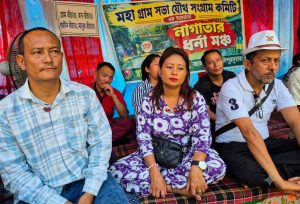
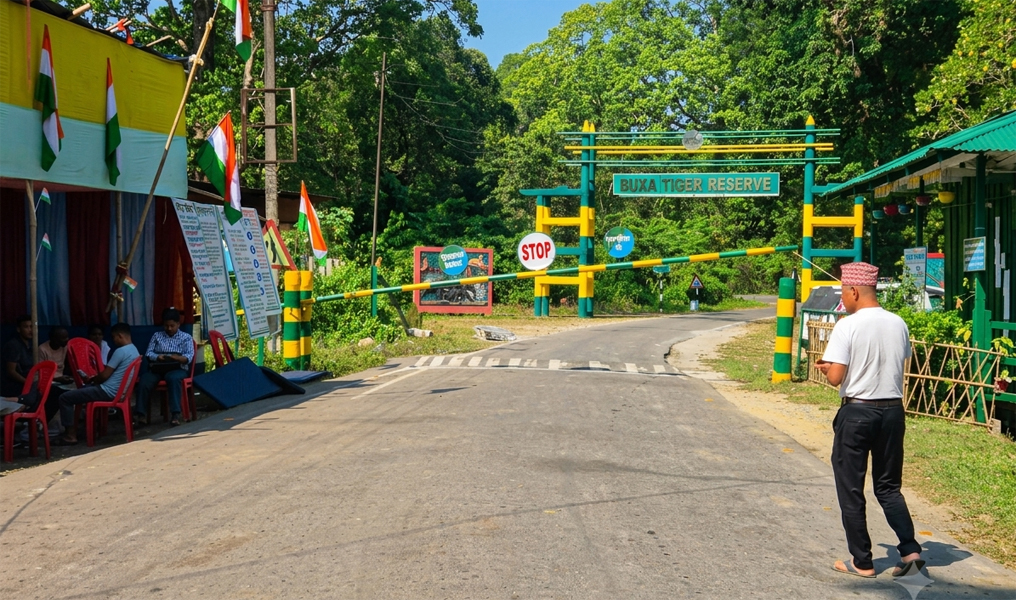
রাজ বসুর বক্তব্য, বর্ষার কারণে প্রায় তিন মাস বনাঞ্চল বন্ধ থাকার পর পর্যটন চালুর কথা থাকলেও বাঘ পুনঃপ্রবর্তন কর্মসূচির কারণে আরও দশ দিন অপেক্ষা করতে হয়েছে। এরপরও বক্সা ব্যাঘ্র প্রকল্পের গ্রামগুলিতে পর্যটন স্বাভাবিকভাবে শুরু না হওয়ায় স্থানীয় মানুষের দুর্ভোগ ক্রমশ বাড়ছে। তাঁর দাবি, গত প্রায় ১৫ দিন ধরে বক্সা ব্যাঘ্র প্রকল্পের রাজাভাতখাওয়া এলাকায় পূর্ত দফতরের রাস্তার বনদ্বারের সামনে স্থানীয় পর্যটনকর্মীরা অবস্থান করে তাঁদের সমস্যার সমাধানের দাবি জানাচ্ছেন।
২০ অক্টোবর রাজ্যের স্বরাষ্ট্র ও পার্বত্য বিষয়ক দফতরের স্বাধীন দায়িত্বপ্রাপ্ত মন্ত্রী বিশাল লামাকে লেখা চিঠিতে রাজ বসু জানিয়েছেন, তিনি রাজাভাতখাওয়ায় স্থানীয় বাসিন্দাদের সঙ্গে দেখা করেছেন। তার আগের দিন ছুনাভাটি থেকে প্রায় ২০ জন এবং পরের দিন আদমা থেকে প্রায় ৫০ জন মানুষ সেখানে এসেছিলেন। প্রত্যন্ত গ্রাম থেকে কাজকর্ম ছেড়ে এতটা পথ পেরিয়ে এসে তাঁদের দাবি জানানো যে কতটা কঠিন, তা উল্লেখ করে রাজ বসু লিখেছেন, স্থানীয় মানুষের মন্ত্রীর উপর যথেষ্ট আস্থা রয়েছে। একই বিষয়ে তিনি আগের দিন রাজ্যের বনমন্ত্রী মনোজ ওরাওকেও বার্তা পাঠিয়েছিলেন।
চিঠিতে রাজ বসু মনে করিয়ে দিয়েছেন, বক্সার ইতিহাস শুধু একটি বনাঞ্চল বা বন্যপ্রাণ সংরক্ষণের ইতিহাস নয়। একসময় গুরুত্বপূর্ণ বাণিজ্যপথ, কাঠের ব্যবসার কেন্দ্র এবং খননকাজের জন্য পরিচিত এই অঞ্চল প্রকৃতি সংরক্ষণের মধ্য দিয়ে নতুন পরিচয় পেয়েছে। ১৯৮৩ সালে বক্সা ব্যাঘ্র প্রকল্প গড়ে ওঠে এবং ১৯৯২ সালে বক্সা জাতীয় উদ্যানের মর্যাদা পায়। এই পরিবর্তনের পিছনে নন্দা দেবী ফাউন্ডেশনের জগন্নাথ এবং আলিপুরদুয়ার প্রকৃতি চক্রের অমল–সহ বহু প্রকৃতিপ্রেমী ও সংরক্ষণকর্মীর অবদান ছিল। পাশাপাশি বনগ্রাম ও আশপাশের গ্রামের বাসিন্দারাও বন দফতরের সঙ্গে সহযোগিতা করে এই সংরক্ষণ উদ্যোগকে সফল করে তুলেছিলেন।
রাজ বসু জানিয়েছেন, ১৯৯৬ সালে জয়ন্তীতে প্রথম পর্যটক পথপ্রদর্শকদের প্রশিক্ষণের কাজে তিনি যুক্ত ছিলেন। একই সময়ে পশ্চিমবঙ্গ পুলিশের নবগঠিত দ্রুত প্রতিক্রিয়া বাহিনীর সদস্যদের পরিবেশ সংক্রান্ত প্রশিক্ষণ দেওয়ার কাজেও অংশ নেন তিনি। তাঁর বক্তব্য, তার আগে বন প্রশাসন ও স্থানীয় মানুষের মধ্যে সংঘাতের কারণে জাতীয় উদ্যান ও ব্যাঘ্র প্রকল্পের বেশ কিছু গুরুত্বপূর্ণ প্রাকৃতিক আবাসস্থল ক্ষতিগ্রস্ত হয়েছিল। পরবর্তী তিন দশকে স্থানীয় মানুষকে সঙ্গে নিয়ে পর্যটন পরিচালনার ব্যবস্থা গড়ে ওঠায় সংরক্ষণের কাজে নতুন গতি আসে। বনাঞ্চলের সুরক্ষা জোরদার হয় এবং বন্যপ্রাণের উপযুক্ত পরিবেশ গড়ে তোলার পথ প্রশস্ত হয়। পরবর্তীকালে বাঘ পুনঃপ্রবর্তনের মতো উদ্যোগের ক্ষেত্রেও এই উন্নত পরিবেশ গুরুত্বপূর্ণ হয়ে ওঠে।
রাজ বসুর মতে, ডুয়ার্সের বন ও বন্যপ্রাণ সংরক্ষণের সাফল্যকে স্থানীয় মানুষের জীবিকা থেকে বিচ্ছিন্ন করে দেখা যায় না। অসমের মানস ও রাইমোনা কিংবা পশ্চিমবঙ্গের গরুমারা ও জলদাপাড়া—প্রতিটি ক্ষেত্রেই স্থানীয় মানুষের অংশগ্রহণ এবং প্রকৃতিনির্ভর পর্যটন সংরক্ষণের কাজে গুরুত্বপূর্ণ ভূমিকা নিয়েছে। পর্যটন থেকে আয় হলে স্থানীয় মানুষ বন ও বন্যপ্রাণ রক্ষায় আরও সক্রিয়ভাবে যুক্ত হওয়ার সুযোগ পান। অন্যদিকে পর্যটন বন্ধ থাকলে এই মানুষগুলির জীবিকা বিপন্ন হওয়ার পাশাপাশি সংরক্ষণের সঙ্গে স্থানীয় জনসমাজের দীর্ঘদিনের সম্পর্কও দুর্বল হওয়ার আশঙ্কা তৈরি হয়।
চিঠিতে বক্সার ভৌগোলিক গুরুত্বের কথাও তুলে ধরেছেন রাজ বসু। তাঁর বক্তব্য, বক্সা জাতীয় উদ্যান ও ব্যাঘ্র প্রকল্পকে বিচ্ছিন্নভাবে দেখলে চলবে না। অসম, বাংলা ও ভুটানের বিস্তৃত বন্যপ্রাণ চলাচলের পথের সঙ্গে এই অঞ্চলের গুরুত্বপূর্ণ সংযোগ রয়েছে। ডুয়ার্সের বিস্তীর্ণ প্রাকৃতিক ভূখণ্ড প্রকৃতিনির্ভর পর্যটনের পাশাপাশি জলবায়ু পরিবর্তনের মোকাবিলায়ও গুরুত্বপূর্ণ ভূমিকা পালন করতে পারে। তাই বন সংরক্ষণ, বন্যপ্রাণের নিরাপত্তা এবং স্থানীয় মানুষের জীবিকা—এই তিনটি বিষয়কে একসঙ্গে বিবেচনা করেই সিদ্ধান্ত নেওয়া প্রয়োজন বলে তিনি মনে করেন।
বক্সার বর্তমান পরিস্থিতি নিয়ে দুই মন্ত্রীকে দেওয়া চিঠিতে রাজ বসুর আবেদন, প্রশাসন দ্রুত আলোচনার মাধ্যমে সমস্যার সমাধান করুক। স্থানীয় মানুষের জীবিকা যাতে স্বাভাবিক ছন্দে ফিরতে পারে, সেই সঙ্গে বন ও বন্যপ্রাণ সংরক্ষণের স্বার্থও যাতে অক্ষুণ্ণ থাকে, তার উপযুক্ত ব্যবস্থা নেওয়া হোক। উৎসবের মরশুমে পর্যটন বন্ধ থাকার ফলে যে আর্থিক ক্ষতির মুখে পড়েছেন স্থানীয় বাসিন্দারা, তা বিবেচনা করে দ্রুত সিদ্ধান্ত নেওয়ার আহ্বান জানিয়েছেন তিনি।
রাজ বসুর আশা, বনমন্ত্রী মনোজ ওরাও এবং স্বরাষ্ট্র ও পার্বত্য বিষয়ক দফতরের দায়িত্বপ্রাপ্ত মন্ত্রী বিশাল লামার উদ্যোগে বক্সার সমস্যার দ্রুত সমাধান হবে। তাঁর বক্তব্যের মূল সুর একটাই—বনকে বাঁচাতে হলে বনাঞ্চলের মানুষের জীবন ও জীবিকার কথাও ভাবতে হবে। প্রকৃতি সংরক্ষণ এবং স্থানীয় মানুষের স্বার্থের মধ্যে সংঘাত নয়, বরং সমন্বয় গড়ে তুলেই বক্সার ভবিষ্যৎ সুরক্ষিত করা সম্ভব।
Published on: অক্টো ২০, ২০২৬ at ২২:২১
Buxa Tourism Shutdown Leaves Forest Villagers in Crisis; Raj Basu Appeals to Two West Bengal Ministers
By Aniruddha Pal । Sangbad Prabhakar Times
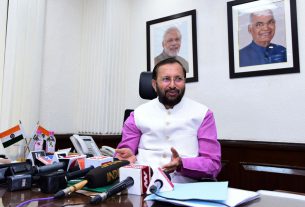
SPT News, Alipurduar & Kolkata, 20 October: Forest-dependent communities around Buxa Tiger Reserve are facing a growing livelihood crisis as tourism remains suspended despite the reopening of the forests after the three-month monsoon closure. Local tourist guides, drivers, homestay operators and other tourism-dependent workers continue to face uncertainty, even as the festive season brings visitors to destinations across West Bengal. Seeking an urgent resolution, Raj Basu, convenor of the Association for Conservation of Tourism, has written to West Bengal Forest Minister Manoj Oraon and Minister of State (Independent Charge) for Home and Hill Affairs Bishal Lama, urging the state government to protect both wildlife conservation and local livelihoods.
According to Basu, the forests reopened after the monsoon closure, but tourism operations faced a further delay of around 10 days in connection with the tiger reintroduction programme. However, tourism has still not resumed normally in the villages around Buxa Tiger Reserve, leaving many families without their primary source of income. Basu said local rural tourism stakeholders have been staging a sit-in near the forest gate on the Public Works Department road at Rajabhatkhawa, demanding a solution to the prolonged disruption. He described the situation as particularly distressing during the festive period, when communities elsewhere are celebrating Durga Puja, Dussehra, Dassain and Fulpati.
In a letter dated October 20, 2026, addressed to Bishal Lama, Basu highlighted the difficulties faced by residents travelling from remote villages to raise their concerns. He said he had met villagers at Rajabhatkhawa, including around 20 people from Chunabhati who had arrived the previous day and approximately 50 people from Adma who came the following day. Leaving their homes, work and daily responsibilities behind to make the journey, the villagers were seeking an intervention from their elected representatives. Basu also said he had contacted Forest Minister Manoj Oraon on the issue.
Basu’s appeal draws attention to Buxa’s long history of conservation and the role played by local communities in protecting the landscape. Once known as an important trade route, timber centre and mining area, Buxa was declared a Tiger Reserve in 1983 and a National Park in 1992. Basu credited conservationists, including Jagannath of the Nanda Devi Foundation and Amol of the Alipurduar Nature Club, along with numerous local conservation advocates and residents of forest villages, for helping establish a stronger conservation movement in the region.
Recalling his own involvement in the area, Basu said he helped train the first tourist guides at Jayanti in 1996 and participated in environmental training for the newly formed Rapid Action Task Force of the West Bengal Police. He noted that earlier conflicts between forest authorities and local residents had severely affected parts of the protected landscape, damaging some important microhabitats.
Over the following three decades, community-based tourism helped strengthen the relationship between conservation and local livelihoods, according to Basu. By creating economic opportunities linked to the natural environment, tourism encouraged residents to participate in protecting the forests and wildlife. He argued that the role of local communities should therefore remain central to decisions concerning access to Buxa and the future of tourism in the reserve.
Basu also drew comparisons with other protected areas across the Dooars and neighbouring Assam, including Manas and Raimona in Assam and Gorumara and Jaldapara in West Bengal. He said community participation and nature-based tourism had been important elements of conservation across the region. In his view, excluding local communities from tourism opportunities risks weakening the relationship between residents and the conservation efforts on which these landscapes depend.
The letter also highlights Buxa’s strategic ecological importance as part of a wider wildlife corridor connecting landscapes across Bengal, Assam and Bhutan. Basu described the Dooars as a major landscape for nature-based tourism, with significance extending beyond the local economy to biodiversity conservation and climate change mitigation.
Urging the two ministers to intervene, Basu called for an early resolution that would allow tourism-dependent communities to resume their livelihoods without compromising wildlife protection. He stressed that conservation and local economic security should not be treated as competing priorities, but addressed through coordinated planning and better governance.
The immediate concern for Buxa’s forest villages is the uncertainty surrounding the reopening of tourism activities and the resulting loss of income during a crucial period of the year. Basu has appealed for dialogue between the authorities and local stakeholders, with the aim of finding a workable solution that safeguards the reserve’s ecological integrity while restoring livelihood opportunities for the communities living alongside it.
The suspension of tourism has raised a wider question about the future of community-based conservation in Buxa: how can a protected landscape achieve its conservation objectives without the active participation and economic security of the people who live around it?