


Published on: সেপ্টে ৫, ২০২৬ at ২০:৪২

✍️ অনিরুদ্ধ পাল | সংবাদ প্রভাকর টাইমস
এসপিটি নিউজ, কলকাতা, ৫ সেপ্টেম্বর: সমাজের পিছিয়ে পড়া, অসহায় শিশু ও মহিলাদের পাশে দাঁড়ানোর বার্তা নিয়ে কলকাতায় অনুষ্ঠিত হল তৃতীয় ‘মন্সুন চ্যারিটি ফেয়ার’। শনিবার ব্রিটিশ ক্লাবে আয়োজিত দিনভর এই দাতব্য মেলায় পশ্চিমবঙ্গের বিভিন্ন প্রান্ত থেকে ১৬টি স্বেচ্ছাসেবী ও সামাজিক সংগঠন অংশ নেয়।
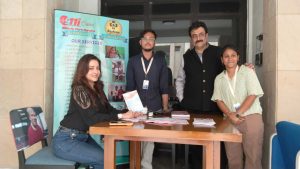
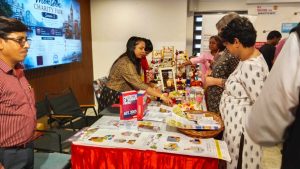
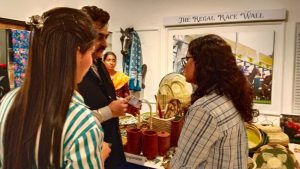
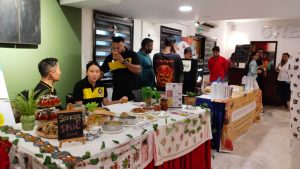
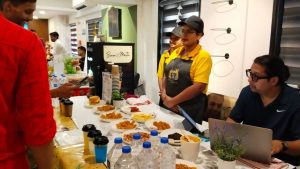
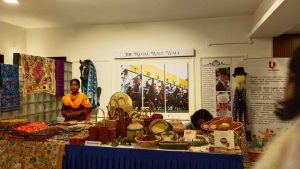
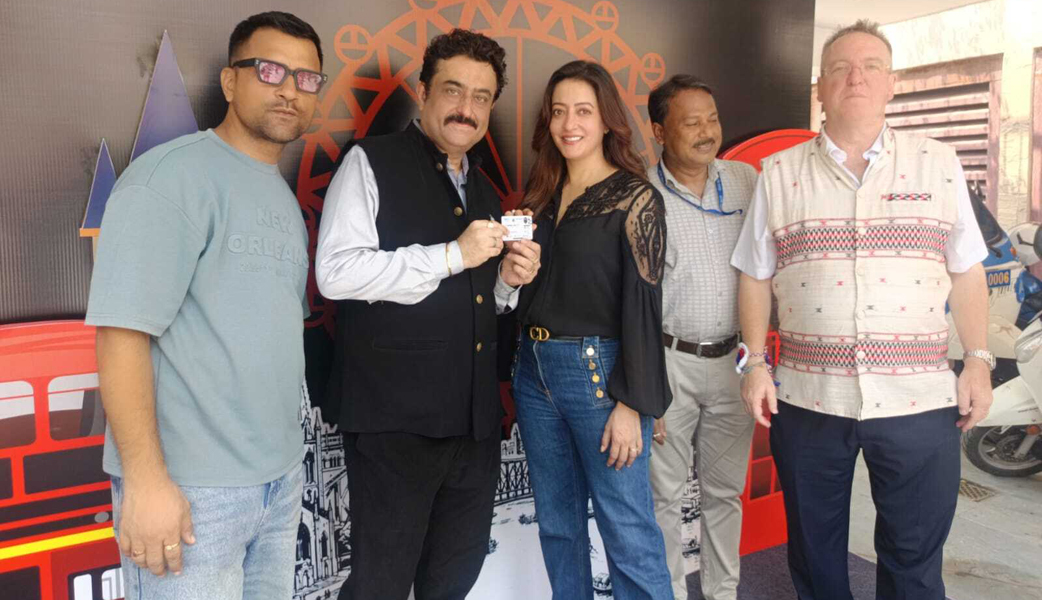
ব্রিটিশ উপ-হাইকমিশনের উদ্যোগে আয়োজিত এই মেলায় উপস্থিত ছিলেন কলকাতায় নিযুক্ত ব্রিটিশ উপ-হাইকমিশনার অ্যান্ড্রু ফ্লেমিং, ট্রাভেল এজেন্টস ফেডারেশন অব ইন্ডিয়ার পূর্বাঞ্চলীয় চেয়ারম্যান অনিল পাঞ্জাবি এবং বিশেষ অতিথি অভিনেত্রী ও মডেল রাইমা সেন। মেলার বিভিন্ন স্টলে স্বনির্ভর গোষ্ঠী ও সামাজিক সংগঠনগুলির তৈরি নানা সামগ্রী তুলে ধরা হয়। হাতে তৈরি গয়না, মাটির ও ধাতুর সামগ্রী, শাড়িতে ঐতিহ্যবাহী কাঁথা সেলাই এবং বিভিন্ন ধরনের খাবার ও কেক ছিল মেলার অন্যতম আকর্ষণ।
এই মেলার মঞ্চ থেকেই সমাজের আরও বেশি মানুষকে মানবিক উদ্যোগের সঙ্গে যুক্ত হওয়ার আহ্বান জানান রাইমা সেন। সংবাদ প্রভাকর টাইমস-কে দেওয়া সাক্ষাৎকারে তিনি বলেন, অসহায় শিশু, বিশেষভাবে সক্ষম মানুষ এবং অসহায় মহিলাদের পাশে দাঁড়াতে শুধু কয়েকটি সংগঠনের উদ্যোগ যথেষ্ট নয়; সমাজের সর্বস্তরের মানুষের এগিয়ে আসা প্রয়োজন। তাঁর মতে, পরিচিত মুখেরা এই ধরনের উদ্যোগে অংশ নিলে সাধারণ মানুষের মধ্যেও দাতব্য কাজে যুক্ত হওয়ার আগ্রহ আরও বাড়তে পারে।
রাইমা সেনের কাছে এটি ছিল তৃতীয় ‘মন্সুন চ্যারিটি ফেয়ার’-এ প্রথম অংশগ্রহণ। তাঁর কথায়, সামাজিক উদ্যোগের সঙ্গে যুক্ত হওয়ার সুযোগকে তিনি অত্যন্ত গুরুত্ব দেন। কারণ, একটি দাতব্য মেলা শুধু অর্থ সংগ্রহের জায়গা নয়—এটি মানুষের তৈরি পণ্য ও প্রতিভাকে সামনে আনার পাশাপাশি সমাজের প্রয়োজনীয় মানুষের কাছে সহায়তার হাত পৌঁছে দেওয়ারও একটি কার্যকর মাধ্যম।
ব্রিটিশ ক্লাবের এই উদ্যোগকে স্বাগত জানিয়েছেন অনিল পাঞ্জাবিও। তাঁর বক্তব্য, মানবিকতার জায়গা থেকে আয়োজিত এই ধরনের উদ্যোগে ট্রাভেল এজেন্টস ফেডারেশন অব ইন্ডিয়া পূর্বাঞ্চল ভবিষ্যতেও সহযোগিতা করে যাবে।
তৃতীয় বর্ষে পা দেওয়া এই মেলা তাই শুধু একটি দিনের আয়োজন হয়ে থাকল না। ১৬টি সংগঠনের অংশগ্রহণ, সাধারণ মানুষের উপস্থিতি এবং রাইমা সেনের মতো পরিচিত মুখের সামাজিক বার্তা ফের সামনে এনে দিল একটি গুরুত্বপূর্ণ প্রশ্ন—অসহায় শিশু, বিশেষভাবে সক্ষম মানুষ এবং বিপন্ন মহিলাদের পাশে দাঁড়াতে সমাজে কি আরও বেশি এমন উদ্যোগ প্রয়োজন?
রাইমা সেনের প্রশ্ন: জনপ্রিয় মানুষ এগিয়ে এলে কি বদলাবে সমাজের মানসিকতা?
সংবাদ প্রভাকর টাইমস-কে দেওয়া একান্ত সাক্ষাৎকারে রাইমা সেন জানান, তাঁকে ব্রিটিশ উপ-হাইকমিশনার অ্যান্ড্রু ফ্লেমিং এই অনুষ্ঠানে আমন্ত্রণ জানিয়েছিলেন। শিশু ও মহিলাদের নিয়ে কাজ করা-সহ অংশগ্রহণকারী স্বেচ্ছাসেবী সংস্থাগুলির উদ্যোগের প্রশংসা করে তিনি বলেন, শারীরিক ও মানসিক প্রতিবন্ধকতার সঙ্গে লড়াই করা শিশু এবং অসহায় মহিলাদের পাশে দাঁড়াতে সমাজের প্রত্যেক মানুষেরই কিছুটা করে এগিয়ে আসা প্রয়োজন।
তাঁর বক্তব্যের সবচেয়ে গুরুত্বপূর্ণ জায়গাটি ছিল আরও একটি আহ্বানে। রাইমা সেনের মতে, জনপ্রিয় মানুষরা যদি এই ধরনের সামাজিক উদ্যোগে প্রকাশ্যে অংশ নেন, তাহলে সাধারণ মানুষের মধ্যেও উৎসাহ তৈরি হতে পারে। পরিচিত মুখের অংশগ্রহণ অনেক সময় একটি সামাজিক উদ্যোগকে আরও বেশি মানুষের কাছে পৌঁছে দিতে পারে।
এই বক্তব্য নিছক একজন তারকার সামাজিক বার্তা নয়। ভারতের সামাজিক বাস্তবতায় এর যথেষ্ট গুরুত্ব রয়েছে।
কারণ, দাতব্য কাজের ক্ষেত্রে সমস্যা সবসময় অর্থের অভাব নয়। অনেক সময় প্রয়োজনীয় উদ্যোগ সম্পর্কে মানুষের কাছে যথেষ্ট তথ্য পৌঁছনো, বিশ্বাসযোগ্যতা তৈরি করা এবং সাধারণ মানুষকে সরাসরি যুক্ত করাই বড় চ্যালেঞ্জ।
ভারতে কি স্বেচ্ছাসেবী সংস্থার অভাব? পরিসংখ্যান বলছে অন্য কথা
ভারতে স্বেচ্ছাসেবী সংস্থার সংখ্যা কম নয়। নীতি আয়োগের তথ্য অনুযায়ী, ২০২৪ সালের শেষে প্রায় ২ লক্ষ ৭৮ হাজার স্বেচ্ছাসেবী সংস্থা সরকারি নিবন্ধন ব্যবস্থায় নথিভুক্ত ছিল।
অর্থাৎ প্রশ্নটি শুধু—“সংস্থা কি যথেষ্ট?”—এভাবে দেখলে পুরো ছবিটি ধরা যাবে না।
প্রকৃত প্রশ্ন হল— এই বিপুল সংখ্যক সংস্থার কাজ কি প্রয়োজনীয় মানুষের কাছে যথেষ্ট পরিমাণে পৌঁছচ্ছে?
আর সেই জায়গাতেই দাতব্য মেলার মতো আয়োজনের গুরুত্ব।
একটি সামাজিক প্রতিষ্ঠান সারা বছর যত মানুষের সঙ্গে সরাসরি যোগাযোগ করতে পারে, জনসম্মুখের একটি মেলা তার কাজকে আরও অনেক মানুষের সামনে তুলে ধরতে পারে। মানুষ জানতে পারেন কোন সংস্থা কী কাজ করছে, কোথায় সাহায্য প্রয়োজন, কীভাবে পণ্য কিনে কোনও সামাজিক উদ্যোগকে সমর্থন করা যায় এবং কীভাবে স্বেচ্ছাসেবক হিসেবে যুক্ত হওয়া যায়।
২ কোটি ৬৮ লক্ষ প্রতিবন্ধী মানুষ—প্রয়োজন কতটা বিশাল?
ভারতের প্রতিবন্ধী জনগোষ্ঠীর ব্যাপ্তি বুঝলেই বোঝা যায় কেন এই ধরনের উদ্যোগের প্রয়োজন কতটা গভীর। ২০১১ সালের জনগণনা অনুযায়ী, ভারতে প্রায় ২ কোটি ৬৮ লক্ষ প্রতিবন্ধী মানুষ ছিলেন, যা সেই সময়ের মোট জনসংখ্যার প্রায় ২.২১ শতাংশ। তাঁদের প্রায় ৬৯ শতাংশই গ্রামাঞ্চলে বসবাস করতেন।
অর্থাৎ কলকাতা বা বড় শহরের কয়েকটি প্রতিষ্ঠানকে দেখে গোটা দেশের বাস্তবতা বোঝা সম্ভব নয়। শহরের বাইরে রয়েছে আরও বড় চ্যালেঞ্জ—চিকিৎসা, পুনর্বাসন, সহায়ক উপকরণ, বিশেষ শিক্ষা, কর্মসংস্থান এবং পরিবারের সামাজিক ও মানসিক সহায়তা।
শিশুদের ক্ষেত্রে সমস্যাটি আরও স্পষ্ট। সরকারি পরিসংখ্যান অনুযায়ী, ১০ থেকে ১৯ বছর বয়সি প্রতিবন্ধী শিশু-কিশোরের সংখ্যা ছিল প্রায় ৪৬ লক্ষ ২০ হাজার। পাঁচ থেকে ১৯ বছর বয়সি প্রতিবন্ধী শিশুদের মধ্যে প্রায় ২৭ শতাংশ কোনও শিক্ষাপ্রতিষ্ঠানে কখনও যায়নি।
তবে এই সংখ্যাগুলি ২০১১ সালের জনগণনার। ২০২৬ সালে প্রকৃত বর্তমান সংখ্যা কত, তা নতুন পূর্ণাঙ্গ জনগণনার তথ্য ছাড়া নির্দিষ্ট করে বলা দায়িত্বশীল হবে না।
তাহলে কি স্বেচ্ছাসেবী সংস্থার সংখ্যা আরও বাড়ানো দরকার?
হ্যাঁ—তবে শুধু সংখ্যা বাড়ালেই হবে না। প্রয়োজন আরও বেশি বিশেষায়িত, স্বচ্ছ, স্থানীয় এবং দীর্ঘমেয়াদি কাজ করা প্রতিষ্ঠান।
একটি প্রতিষ্ঠান যদি প্রতিবন্ধী শিশুর পুনর্বাসনে কাজ করে, অন্যটি বিশেষ শিক্ষায় এবং আর একটি পরিবারের জীবিকা গড়ে তুলতে সাহায্য করে, তাহলে তাদের কাজ পরস্পরের পরিপূরক হতে পারে।
একইভাবে অসহায় মহিলাদের ক্ষেত্রেও শুধু আশ্রয় দেওয়া যথেষ্ট নয়। প্রয়োজন নিরাপদ আশ্রয়, চিকিৎসা, মানসিক সহায়তা, শিক্ষা, দক্ষতা প্রশিক্ষণ, আয় করার সুযোগ এবং সামাজিক পুনর্বাসন।
পশ্চিমবঙ্গেও কঠিন পরিস্থিতিতে থাকা মহিলাদের জন্য বিভিন্ন আশ্রয়কেন্দ্র ও সহায়তা ব্যবস্থা রয়েছে। কিন্তু রাজ্যের বিপুল জনসংখ্যার তুলনায় এই পরিষেবাগুলির বিস্তার, পৌঁছনোর ক্ষমতা এবং দীর্ঘমেয়াদি পুনর্বাসনের সুযোগ আরও বাড়ানোর প্রয়োজন রয়েছে।
মহিলাদের ক্ষেত্রে সমস্যাটি শুধু দারিদ্র্য নয়, সময়েরও
২০২৪ সালের সরকারি সময়-ব্যবহার সমীক্ষা আরও একটি গুরুত্বপূর্ণ বাস্তবতা সামনে এনেছে।
১৫ থেকে ৫৯ বছর বয়সি মহিলাদের প্রায় ৪১ শতাংশ পরিবারের সদস্যদের দেখাশোনার কাজে অংশ নেন। এই কাজে অংশ নেওয়া মহিলারা দিনে গড়ে প্রায় ১৪০ মিনিট সময় ব্যয় করেন। পুরুষদের ক্ষেত্রে অংশগ্রহণের হার ছিল প্রায় ২১.৪ শতাংশ এবং সময় ব্যয় প্রায় ৭৪ মিনিট।
অর্থাৎ পরিবারের পরিচর্যা ও দেখাশোনার একটি বড় অংশ এখনও মহিলাদের উপর নির্ভরশীল।
ফলে অসহায় মহিলাদের নিয়ে কাজ করা প্রতিষ্ঠানের দায়িত্ব শুধু আশ্রয় দেওয়া নয়। তাঁদের অর্থনৈতিক স্বাধীনতা তৈরি করা, দক্ষতা বাড়ানো এবং নিজের পায়ে দাঁড়ানোর সুযোগ তৈরি করাও সমান গুরুত্বপূর্ণ।
আজকের মেলার অন্যতম তাৎপর্য এখানেই।
এখানে শুধু অনুদানের আবেদন নেই; বিভিন্ন সামাজিক প্রতিষ্ঠান নিজেদের তৈরি পণ্য মানুষের সামনে নিয়ে এসেছে। অর্থাৎ সহায়তা এবং স্বনির্ভরতার মধ্যে একটি সেতু তৈরি হয়েছে।
চ্যারিটি মেলার গুরুত্ব এখানেই
আজকের মেলায় ছিল বিভিন্ন ধরনের কেক, কাঁথার কাজ করা শাড়ি, মাটির ও ধাতুর তৈরি অলঙ্কার এবং হাতে তৈরি নানা সামগ্রী।
এই মডেলটি গুরুত্বপূর্ণ। কারণ, কেউ একটি পণ্য কিনলে সেই অর্থ একটি সামাজিক উদ্যোগকে এগিয়ে নিতে পারে। একই সঙ্গে যে মানুষটি পণ্যটি তৈরি করেছেন, তাঁর দক্ষতা ও শ্রমেরও মূল্য তৈরি হয়।
অর্থাৎ— শুধু দান নয়, সম্মানের সঙ্গে উপার্জনের সুযোগ। সামাজিক উন্নয়নের ক্ষেত্রে এই ভাবনাটিই দীর্ঘমেয়াদে বেশি কার্যকর হতে পারে।
পশ্চিমবঙ্গে সচেতনতা কতটা?
চ্যারিটি মেলা সম্পর্কে পশ্চিমবঙ্গের কত শতাংশ মানুষ সচেতন—এমন কোনও সাম্প্রতিক নির্ভরযোগ্য সরকারি সমীক্ষা পাওয়া যায় না। ফলে নির্দিষ্ট কোনও শতাংশ উল্লেখ করা দায়িত্বশীল হবে না।
তবে কলকাতায় বিভিন্ন সামাজিক প্রতিষ্ঠান নিয়মিত তহবিল সংগ্রহ, পণ্য বিক্রি, শিল্প প্রদর্শনী, সাংস্কৃতিক অনুষ্ঠান এবং জনসচেতনতা কর্মসূচির মাধ্যমে মানুষের কাছে পৌঁছচ্ছে।
তার পরেও বড় প্রশ্ন থেকে যায় কলকাতার বাইরের অঞ্চল নিয়ে। গ্রামাঞ্চল, ছোট শহর এবং প্রত্যন্ত এলাকায় কাজ করা বহু ছোট প্রতিষ্ঠানের কাছে মানুষের পৌঁছনো, তাদের কাজ সম্পর্কে সাধারণ মানুষকে জানানো এবং বিশ্বাসযোগ্যভাবে সাহায্য করার ব্যবস্থা তৈরি করা এখনও বড় চ্যালেঞ্জ।
তাই বছরে এক-দু’টি বড় মেলা যথেষ্ট নয়। জেলা থেকে মহকুমা, ছোট শহর থেকে গ্রাম—এই ধরনের আয়োজন আরও ছড়িয়ে দেওয়া প্রয়োজন।
তবে চ্যারিটি মেলারও চাই নতুন ভাবনা
চ্যারিটি মেলা শুধু কেনাবেচার জায়গা হয়ে গেলে তার সামাজিক উদ্দেশ্য সীমিত হয়ে যায়।
প্রতিটি মেলায় যদি—
- কোন প্রতিষ্ঠান কী কাজ করে তা জানানো হয়,
- অর্থ কোথায় ব্যয় হচ্ছে তার হিসাব দেওয়া হয়,
- শিশুদের জন্য কী পরিষেবা প্রয়োজন তা বোঝানো হয়,
- মহিলাদের কর্মসংস্থানের সুযোগ তুলে ধরা হয়,
- স্বেচ্ছাসেবক হওয়ার সুযোগ দেওয়া হয়,
- প্রতিবন্ধী মানুষের তৈরি সামগ্রীকে বাজারের সঙ্গে যুক্ত করা হয়,
- এবং বছরভর কাজের অগ্রগতি সাধারণ মানুষের সামনে প্রকাশ করা হয়,
তাহলে একটি চ্যারিটি মেলা হয়ে উঠতে পারে সামাজিক পরিবর্তনের স্থায়ী মঞ্চ।
সরকারের পাশাপাশি বেসরকারি ক্ষেত্রেরও কি আরও এগিয়ে আসা উচিত?
অবশ্যই। শুধু ব্যক্তিগত অনুদানের উপর নির্ভর করে এত বড় সামাজিক প্রয়োজন মেটানো সম্ভব নয়।
স্বেচ্ছাসেবী সংস্থাগুলির মধ্যে অনেক ছোট প্রতিষ্ঠানের নিয়মিত অর্থসংস্থান, প্রশিক্ষিত কর্মী, পরিকাঠামো এবং দীর্ঘমেয়াদি পরিকল্পনার প্রয়োজন রয়েছে।
সরকারি সহায়তা, বেসরকারি প্রতিষ্ঠানের সামাজিক দায়বদ্ধতার অর্থ, ব্যক্তিগত দান এবং দাতব্য মেলার মতো জনসম্পৃক্ত উদ্যোগ—এই ক্ষেত্রগুলিকে আরও সমন্বিতভাবে কাজ করতে হবে।
আজকের ১৬টি প্রতিষ্ঠান তাই শুধু ১৬টি নাম নয়
অল বেঙ্গল উইমেনস ইউনিয়ন, অঞ্জলি, অন্তরা, বাংলানাটক ডট কম, ডেস্টিনি রিফ্লেকশন, এক তারা, ফিউচার হোপ, ইন্ডিয়ান ইনস্টিটিউট অফ সেরিব্রাল পলসি, কলকাতা সোসাইটি ফর কালচারাল হেরিটেজ, অপরচুনিটি ক্যাফে, রিনচেনস মোমো, শুকতারা কেকস, স্বাধীনা, স্বয়ং, টার্নিং পয়েন্ট এবং উন্মেষ চাইল্ড ডেভেলপমেন্ট—এই ১৬টি প্রতিষ্ঠান আজ একই ছাদের নিচে নিজেদের কাজকে মানুষের সামনে তুলে ধরেছে।
তাদের কাজের ক্ষেত্র আলাদা। কিন্তু লক্ষ্য এক জায়গায় এসে মেলে—যাঁরা সমাজের মূল স্রোতে পিছিয়ে রয়েছেন, তাঁদের সামনে এগিয়ে দেওয়ার চেষ্টা।
রাইমা সেনের বক্তব্যের আসল তাৎপর্য এখানেই
আজকের অনুষ্ঠানের সবচেয়ে গুরুত্বপূর্ণ বার্তাটি হয়তো রাইমা সেনের বক্তব্যেই লুকিয়ে রয়েছে।
একজন জনপ্রিয় অভিনেত্রী যখন বলেন, সমাজের প্রত্যেক মানুষের এগিয়ে আসা প্রয়োজন এবং পরিচিত মানুষদের অংশগ্রহণ সাধারণ মানুষকে উৎসাহিত করতে পারে, তখন সেটি শুধু আবেগের কথা নয়।
এটি আসলে সামাজিক অংশগ্রহণের আহ্বান। কারণ দারিদ্র্য, প্রতিবন্ধকতা, নারী-নিরাপত্তা, বিশেষ শিক্ষা বা পুনর্বাসন—কোনও সমস্যাই শুধুমাত্র সরকারের পক্ষে একা সমাধান করা সম্ভব নয়।
প্রয়োজন সরকার, স্বেচ্ছাসেবী সংস্থা, বেসরকারি প্রতিষ্ঠান, শিল্পী, সংবাদমাধ্যম এবং সাধারণ মানুষের সম্মিলিত উদ্যোগ।
চ্যারিটি মেলা তাই উৎসবের চেয়ে অনেক বেশি
আজকের কলকাতার মন্সুন চ্যারিটি ফেয়ার হয়তো একদিনের আয়োজন। কিন্তু এই একদিনের আয়োজন যদি আরও মানুষকে কোনও সামাজিক প্রতিষ্ঠানের সঙ্গে যুক্ত করে, আরও কয়েকজন শিশুর শিক্ষা বা চিকিৎসায় সাহায্য করে, কিংবা আরও কিছু অসহায় মহিলাকে স্বনির্ভর হওয়ার সুযোগ দেয়, তাহলে এই মেলার সামাজিক মূল্য তার একদিনের সীমা ছাড়িয়ে যায়।
ভারতে স্বেচ্ছাসেবী সংস্থার সংখ্যা ইতিমধ্যেই বিপুল। কিন্তু প্রয়োজনের তুলনায় বিশ্বাসযোগ্যতা, মানুষের কাছে পৌঁছনোর ক্ষমতা, অর্থসংস্থান, বিশেষায়িত পরিষেবা এবং জনসম্পৃক্ততা আরও বাড়ানো জরুরি। আর সেই জায়গায় দাতব্য মেলা হতে পারে একটি শক্তিশালী মাধ্যম।
দান করার সংস্কৃতি থেকে অংশীদার হওয়ার সংস্কৃতিতে সমাজকে নিয়ে যাওয়াই হতে পারে আগামী দিনের লক্ষ্য।
কলকাতার ব্রিটিশ ক্লাবে আজকের মন্সুন চ্যারিটি ফেয়ার তাই শুধু একটি মেলা নয়—এটি যেন সেই প্রশ্নই রেখে গেল:
“আমরা প্রত্যেকে কি সমাজের জন্য নিজের সামান্যটুকু করতে প্রস্তুত?”
Published on: সেপ্টে ৫, ২০২৬ at ২০:৪২
Kolkata Hosts Third ‘Monsoon Charity Fair’, Raima Sen Urges Society to Stand by the Vulnerable
✍️ By Aniruddha Pal
Sangbad Prabhakar Times
SPT NEWS, KOLKATA, September 5, 2026: A day-long charity fair bringing together 16 social and voluntary organisations from across West Bengal was held at the British Club in Kolkata on Saturday, with actor and model Raima Sen calling for greater public participation in initiatives supporting vulnerable children, women and people living with disabilities.
The third edition of the Monsoon Charity Fair was held at the British Deputy High Commission premises, bringing together organisations working across a range of social causes. The initiative has evolved into an annual platform where social organisations can showcase their work, raise funds and connect directly with members of the public. The first edition was launched in 2024, while the second edition was held in 2025.
The event was inaugurated in the presence of British Deputy High Commissioner Andrew Fleming, Anil Punjabi, Chairman of the Eastern Region of the Travel Agents Federation of India (TAFI), and Raima Sen, who attended as the special guest.
The participating organisations included All Bengal Women’s Union, Anjali, Antara, Banglanatak dot com, Destiny Reflection, Ek Tara, Future Hope, Indian Institute of Cerebral Palsy, Kolkata Society for Cultural Heritage, Opportunity Café, Rinchen’s Momo, Shuktara Cakes, Swadhina, Swayam, Turning Point and Unmesh Child Development.
The fair featured cakes and other food products, saris with traditional kantha embroidery, handmade jewellery and household products made from clay and metal. Several participating organisations used the event to connect their social work with sustainable livelihoods and market access. Kolkata Society for Cultural Heritage, for example, has used the fair to showcase products created by marginalised women from the Sundarbans and connect their craftsmanship with urban markets.
Raima Sen: Can public figures help change social attitudes?
Speaking exclusively to Sangbad Prabhakar Times, Sen said she had been invited to the event by Andrew Fleming and praised the participating organisations, particularly those working with children and women.
But her central message was broader.
Sen said society as a whole needs to do more for children facing physical or mental disabilities and for vulnerable women. She also argued that when well-known public figures participate openly in social initiatives, their visibility can encourage ordinary citizens to engage with such causes.
For Sen, this was her first participation in the Monsoon Charity Fair, despite the initiative entering its third edition.
Her message points to a wider question facing charitable and voluntary organisations in India: how can social causes move beyond a limited circle of donors and reach a much broader section of society?
India has thousands of voluntary organisations. Is reach the bigger challenge?
India does not lack voluntary organisations. The challenge is often one of reach, visibility, trust and sustained funding.
According to government data, nearly 278,000 voluntary organisations were registered on the NGO Darpan platform by the end of 2024.
That raises a question beyond the simple issue of numbers: are these organisations reaching enough of the people who need their services?
Charity fairs can play a role in addressing that gap.
A public event allows organisations to explain their work directly, showcase products made by beneficiaries, attract donors and volunteers, and build relationships with communities that may otherwise never encounter their work.
The Monsoon Charity Fair follows that model by combining fundraising with public engagement and the sale of products created through social programmes.
26.8 million people with disabilities: the scale of the challenge
The scale of disability in India underlines the continuing need for social intervention.
According to the 2011 Census, India had around 26.8 million people with disabilities, representing about 2.21% of the population at the time. Around 69% lived in rural areas.
The figures are based on the last full population census and should not be interpreted as a current 2026 estimate. India does not yet have a newer comprehensive census-based disability count that can responsibly replace the 2011 figure.
The challenge is particularly significant for children.
Government data has previously estimated around 4.62 million people with disabilities in the 10–19 age group. Among disabled children aged 5–19, around 27% had never attended an educational institution, highlighting the barriers that continue to affect access to education.
Behind these numbers are issues ranging from healthcare and rehabilitation to assistive devices, specialised education, employment opportunities and support for families.
More organisations—or better specialised support?
The answer may not simply be to increase the number of voluntary organisations.
What is needed is a stronger ecosystem of specialised, transparent, locally rooted and sustainable organisations.
For children with disabilities, support may involve rehabilitation, specialised education, therapy, assistive technology and family counselling.
For vulnerable women, shelter alone is rarely enough. Long-term rehabilitation can require healthcare, psychological support, skills training, employment opportunities, financial independence and social reintegration.
West Bengal already has a network of support mechanisms, including shelter and assistance programmes for women in difficult circumstances. But the scale of need means that access, geographical coverage and long-term rehabilitation remain important challenges.
Women’s unpaid care work adds another dimension
India’s Time Use Survey 2024 offers another perspective on the social pressures faced by women.
Among women aged 15–59, around 41% participated in caregiving activities, compared with about 21.4% of men. Women who participated spent substantially more time on caregiving than participating men.
The figures underline how much unpaid care work continues to fall on women.
For organisations working with vulnerable women, therefore, assistance cannot stop at providing temporary shelter. Economic independence and the ability to build sustainable livelihoods are equally important.
That is where charity fairs can offer a different model.
Instead of relying only on donations, organisations can showcase products created by beneficiaries or supported communities, creating a direct link between social assistance and income generation.
From charity to dignity
The products displayed at Saturday’s fair — from cakes and handmade jewellery to embroidered saris and handcrafted household items — represent more than merchandise.
For many social organisations, such products provide an opportunity to turn skills into income while allowing the public to support a cause through a purchase rather than a conventional donation.
It is a model built around a simple principle:
Support should create dignity, not dependence.
That approach is increasingly relevant to social organisations working with women, people with disabilities and economically vulnerable communities.
How aware is West Bengal of charitable initiatives?
There is no recent authoritative state-wide survey that establishes what percentage of people in West Bengal are aware of charity fairs or similar fundraising initiatives. Any precise percentage would therefore be speculative.
What is clear, however, is that Kolkata has an active ecosystem of voluntary organisations, fundraising events, cultural initiatives and social enterprises.
The larger challenge lies beyond the metropolitan centre.
Smaller organisations working in rural districts, small towns and remote communities often struggle to gain visibility, secure sustained funding and establish direct links with potential supporters.
That suggests a need to take such initiatives beyond major city venues.
From districts to subdivisions, from small towns to rural communities, public-facing fundraising and awareness platforms could be expanded.
Charity fairs need to evolve
A charity fair can become much more than a marketplace.
Organisers can use such platforms to explain what each organisation does, demonstrate how funds are used, identify specific needs, recruit volunteers, connect products made by disadvantaged communities with wider markets and publish updates on the impact achieved throughout the year.
If sustained, such initiatives can turn a one-day event into a long-term platform for social engagement.
A wider role for businesses and institutions
Individual donations alone cannot address the scale of social challenges in a country as large as India.
Voluntary organisations, particularly smaller ones, often need reliable funding, trained personnel, infrastructure and long-term planning.
Government support, institutional funding, corporate social responsibility programmes, individual donations and public fundraising events can therefore complement one another.
The objective should not be to replace government responsibility with charity, but to create stronger partnerships between public institutions, civil society, businesses and citizens.
Sixteen organisations, one larger message
The 16 organisations at Saturday’s fair work in different areas, from women’s welfare and disability support to mental health, child development, livelihood creation and cultural preservation.
Their presence under one roof demonstrated the diversity of India’s social sector — and the possibility of bringing very different causes into a common public space.
The fair also showed how social work and livelihood creation can intersect.
For organisations such as Destiny, which works with vulnerable children and women affected by trafficking, and Antara, which focuses on mental health, public engagement can be an important part of building awareness and support. Destiny has described its model as combining charitable programmes with employment opportunities for vulnerable women and survivors of trafficking.
Raima Sen’s message goes beyond celebrity participation
Sen’s appeal for greater participation by public figures touches on a wider issue.
Celebrity involvement does not solve social problems. But visibility can help bring causes that often remain outside the public spotlight into mainstream conversations.
When actors, artists, business leaders and other public figures lend their visibility to credible social initiatives, they can potentially encourage more people to learn about those causes, volunteer or contribute.
Ultimately, however, sustained change depends on institutions, policy, resources and community participation.
More than a one-day fair
The Monsoon Charity Fair may be a one-day event, but its potential impact extends beyond the seven-hour programme.
If a visitor buys a product, supports an organisation, volunteers, introduces someone else to a cause or simply leaves with a better understanding of a social issue, the impact can continue long after the stalls have closed.
India already has a large voluntary sector. What remains essential is to strengthen public participation, transparency, sustainable funding, specialised services and the ability of organisations to reach vulnerable communities.
That is where initiatives such as the Monsoon Charity Fair can play a meaningful role.
For Kolkata, the third edition has therefore raised a question that extends well beyond the British Club:
Can charity move from occasional giving to sustained social participation?
Raima Sen’s answer was clear: society must be willing to step forward.
And perhaps that is the most important message to emerge from this year’s fair.