


রাস্তা ও যোগাযোগ ফিরছে ধীরে, কিন্তু রসুয়া–নুয়াকোট–ধাদিংয়ে এখনও চরম সতর্কতা; জলবিদ্যুৎ প্রকল্পের সুড়ঙ্গে আটকে থাকা কর্মীদের উদ্ধারে চলছে মরিয়া অভিযান

Published on: সেপ্টে ২, ২০২৬ at ১৬:২৩

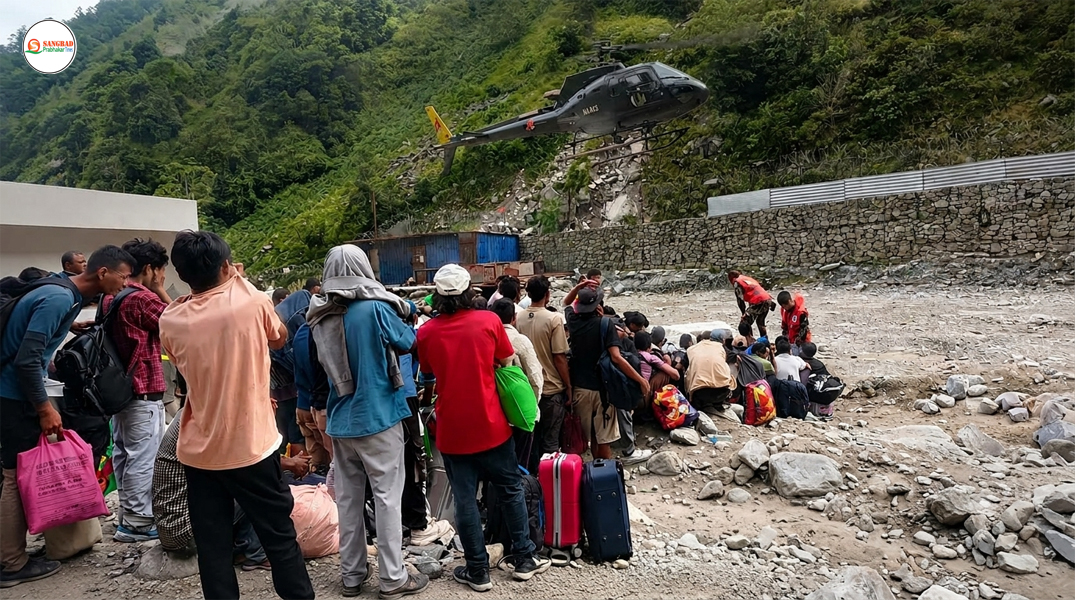
এসপিটি নিউজ,কাঠমান্ডু, ২ সেপ্টেম্বর ২০২৬: নেপালে ২৬ আগস্টের ভয়াবহ হড়পা বানের এক সপ্তাহ পরেও বিপর্যয়ের ক্ষত শুকোয়নি। ভোটেকোশী ও ত্রিশূলী নদীর ভয়াবহ জলস্রোত, কাদা, পাথর ও ধ্বংসাবশেষে মধ্য নেপালের বিস্তীর্ণ এলাকা বিপর্যস্ত। সরকারি হিসাব অনুযায়ী মৃত ও উদ্ধার হওয়া দেহের সংখ্যা ইতিমধ্যেই ১,১০০ পেরিয়েছে এবং প্রায় ৪,০০০ মানুষ এখনও নিখোঁজ। একই সঙ্গে বিদেশি পর্যটকদের খোঁজে তল্লাশি ও যোগাযোগ পুনঃস্থাপনের কাজ অব্যাহত রয়েছে।
নেপাল পর্যটন বোর্ডের ১ সেপ্টেম্বর বিকেল ৫টা পর্যন্ত পরিস্থিতি-আপডেট অনুযায়ী, ৩৩০ জন বিদেশি নাগরিক ও পর্যটককে উদ্ধার করা হয়েছে। তবে ওই দিন পরবর্তী সময়ে নেপালের পররাষ্ট্র মন্ত্রণালয় জানায়, ৩৯টি দেশের ৩২৪ জন বিদেশি নাগরিককে উদ্ধার করা হয়েছে এবং প্রায় ৫৯০ জন বিদেশি এখনও নিখোঁজ বলে নথিভুক্ত রয়েছেন। বিভিন্ন সময়ের হিসাব ও যাচাই-প্রক্রিয়া চলায় সংখ্যায় এই পার্থক্য তৈরি হয়েছে বলে বোঝা যাচ্ছে।
বিপর্যয়ের ভয়াবহতা এখনও স্পষ্ট হচ্ছে
জাতীয় দুর্যোগ ঝুঁকি হ্রাস ও ব্যবস্থাপনা কর্তৃপক্ষের ১ সেপ্টেম্বরের পরিস্থিতি প্রতিবেদনে ভোটেকোশী–ত্রিশূলী নদী অববাহিকার বিভিন্ন জেলা থেকে ৯৮৭টি মৃতদেহ ও দেহাংশ উদ্ধারের কথা জানানো হয়েছিল। একই প্রতিবেদনে দেশজুড়ে ৩,৯১৬ জন নিখোঁজের কথা বলা হয়। রসুয়া ও নুয়াকোটকে সবচেয়ে বেশি ক্ষতিগ্রস্ত জেলা হিসেবে চিহ্নিত করা হয়; ধাদিং, গোর্খা ও চিতওয়ানেও ব্যাপক ক্ষয়ক্ষতি হয়েছে।
পরবর্তী সরকারি হিসাব ও আন্তর্জাতিক সংবাদ সংস্থাগুলির প্রতিবেদনে মৃতের সংখ্যা আরও বেড়ে ১,১১৮-এ পৌঁছেছে, আর নিখোঁজের সংখ্যা ৩,৯০০-এর বেশি। ফলে উদ্ধারকারীরা প্রত্যন্ত ও ধ্বংসস্তূপে ঢাকা এলাকাগুলিতে পৌঁছনোর সঙ্গে সঙ্গে মৃতের সংখ্যা আরও বাড়ার আশঙ্কা রয়েছে।
সুড়ঙ্গের ভিতরে আটকে শত শত প্রাণ—উদ্ধারে বিশেষ দল
বন্যার সবচেয়ে উদ্বেগজনক দিকগুলির একটি হল ক্ষতিগ্রস্ত জলবিদ্যুৎ প্রকল্পগুলির সুড়ঙ্গে কর্মীদের আটকে থাকার আশঙ্কা। প্রায় ১২টি জলবিদ্যুৎ প্রকল্প ক্ষতিগ্রস্ত হয়েছে এবং কয়েকশো কর্মী সুড়ঙ্গের ভিতরে আটকে থাকতে পারেন বলে আশঙ্কা করা হচ্ছে।
উদ্ধারে নেপালকে সহায়তা করছে ভারত ও চিনের বিশেষ সুড়ঙ্গ-উদ্ধারকারী দল। নেপালের পররাষ্ট্র মন্ত্রণালয়ের হিসাবে, ভারতের দুই দলে মোট ২৪ জন এবং চিনের ৯ জন বিশেষজ্ঞ উদ্ধারকর্মী ক্ষতিগ্রস্ত জলবিদ্যুৎ প্রকল্পগুলিতে কাজ করছেন। ভারতের দল চিলিমে ও লাংটাং জলবিদ্যুৎ প্রকল্পে এবং চিনের দল আপার ত্রিশূলী-৩এ প্রকল্পে নেপালি সেনাবাহিনীর সঙ্গে সমন্বয় করে কাজ করছে। দক্ষিণ কোরিয়ার একটি বিশেষ দলও নেপালে রয়েছে।
বিদেশি পর্যটকদের খোঁজে নতুন আশার আলো
এখনও প্রায় ৫৯০ জন বিদেশি নাগরিকের সঙ্গে যোগাযোগ স্থাপন করা সম্ভব হয়নি। তবে সব নিখোঁজ ব্যক্তিই যে দুর্ঘটনার শিকার হয়েছেন, এমন সিদ্ধান্তে যাচ্ছে না কর্তৃপক্ষ।
নেপাল পর্যটন বোর্ড জানিয়েছে, পূর্বে নিখোঁজ হিসেবে নথিভুক্ত কয়েকজন বিদেশি পর্যটক গত কয়েক দিনে বার্তা বা দূরভাষের মাধ্যমে নিজেদের নিরাপদ থাকার কথা জানিয়েছেন। অস্ট্রেলিয়ার ক্ষেত্রেও নিখোঁজ নাগরিকের সংখ্যা ৪৩ থেকে কমে ৩৮ হয়েছে—পাঁচজনের নিরাপদ থাকার খবর পাওয়ার পর।
অর্থাৎ নিখোঁজের তালিকা এখনও চূড়ান্ত নয়। যোগাযোগ ব্যবস্থা ভেঙে পড়া, বিদ্যুৎ বিচ্ছিন্নতা এবং দুর্গম এলাকায় আটকে থাকার কারণে বহু পর্যটক পরিবারের সঙ্গে যোগাযোগ করতে পারছেন না।
রাস্তা খুলছে, কিন্তু ঝুঁকি কাটেনি
নেপাল পর্যটন বোর্ড পর্যটকদের জন্য বিশেষ সতর্কতা জারি করেছে। বর্ষার প্রভাব সেপ্টেম্বরের মাঝামাঝি পর্যন্ত থাকার সম্ভাবনা থাকায় ক্ষতিগ্রস্ত জেলাগুলিতে যাত্রার আগে রাস্তা, নদী ও আবহাওয়ার সর্বশেষ পরিস্থিতি যাচাই করার পরামর্শ দেওয়া হয়েছে।
রসুয়া, নুয়াকোট ও ধাদিংয়ের একাধিক গুরুত্বপূর্ণ সড়ক ও সেতু বন্যা ও ভূমিধসে ক্ষতিগ্রস্ত হয়েছে। তবে ধীরে ধীরে বিকল্প যোগাযোগ ব্যবস্থা চালু করা হচ্ছে।
রসুয়ার জেলা সদর ধুঞ্চে-সহ বিচ্ছিন্ন এলাকাগুলির সঙ্গে ছোট যানবাহনের যোগাযোগ বিকল্প পথ দিয়ে পুনঃস্থাপিত হয়েছে। নুয়াকোট হয়ে বাহুনেবেসি, সামর্থালি, শূন্য কিলোমিটার ও পাসাং লামু পথ ব্যবহার করে রসুয়ার দিকে ছোট যান চলাচল শুরু হয়েছে। ধাদিং সদরেও বিকল্প পথের মাধ্যমে যোগাযোগ ফিরেছে।
আরও গুরুত্বপূর্ণ খবর এসেছে ২ সেপ্টেম্বর। ধাদিংয়ের গজুরি গ্রামীণ এলাকার পারেওয়া ভিরে মূল পৃথ্বী মহাসড়কের বন্যায় ক্ষতিগ্রস্ত অংশের পাশে প্রায় ১০০ মিটার দীর্ঘ একটি বিকল্প পথ তৈরি করা হয়েছে এবং যান চলাচল শুরু হয়েছে। তবে পুলিশ জানিয়েছে, অস্থায়ী এই পথ এখনও ঝুঁকিপূর্ণ।
পৃথ্বী মহাসড়ক ও বিপর্যস্ত পরিবহণ ব্যবস্থা
কাঠমান্ডুর সঙ্গে দেশের বিভিন্ন অঞ্চলের অন্যতম গুরুত্বপূর্ণ যোগাযোগপথ পৃথ্বী মহাসড়কও বন্যার ধাক্কায় একাধিক জায়গায় ক্ষতিগ্রস্ত হয়েছে। কৃষ্ণভির ও পারেওয়া ভির এলাকায় নদীর প্রবল স্রোতে রাস্তার অংশ ভেঙে যায় এবং ভূমিধসের কারণে যান চলাচল বন্ধ হয়ে পড়ে।
রাস্তা মেরামতের পাশাপাশি বিকল্প পথে যানবাহন চালানোর চেষ্টা চলছে। ফলে পর্যটকদের ক্ষেত্রে শুধু গন্তব্য খোলা আছে কি না, তা জানাই যথেষ্ট নয়—কোন পথ দিয়ে সেখানে পৌঁছনো যাবে, সেই পথের বর্তমান অবস্থাও যাচাই করা জরুরি।
বিদ্যুৎ ব্যবস্থাতেও বড় ধাক্কা
বন্যায় নেপালের জলবিদ্যুৎ পরিকাঠামোও মারাত্মকভাবে ক্ষতিগ্রস্ত হয়েছে। প্রায় ৪৩১ মেগাওয়াট বিদ্যুৎ উৎপাদন ক্ষমতা ক্ষতিগ্রস্ত হওয়ায় দেশের বিদ্যুৎ ব্যবস্থার উপর চাপ তৈরি হয়েছে। নেপাল সাধারণত বিদ্যুৎ রফতানি করলেও বিপর্যয়ের পরে অভ্যন্তরীণ চাহিদা মেটাতে প্রতিবেশী ভারতের কাছ থেকে বিদ্যুৎ আমদানির প্রয়োজন দেখা দিয়েছে।
এটি শুধু বিদ্যুৎ সরবরাহের সমস্যা নয়। পর্যটন, যোগাযোগ, শিল্প, হাসপাতাল এবং উদ্ধারকাজ—সব ক্ষেত্রেই এর প্রভাব পড়ছে।
ভারত ও চিনের সহায়তায় জোরদার উদ্ধার অভিযান
উদ্ধার ও ত্রাণকাজে নেপালের সেনাবাহিনী, পুলিশ এবং সশস্ত্র পুলিশ বাহিনীর ২১ হাজারের বেশি সদস্য নিয়োজিত রয়েছেন। দুর্গম এলাকায় হেলিকপ্টার, খননযন্ত্র ও অস্থায়ী সেতু ব্যবহার করে উদ্ধার অভিযান চালানো হচ্ছে।
ভারত থেকে বিশেষজ্ঞ দল, সুড়ঙ্গ উদ্ধারের সরঞ্জাম এবং মৃতদেহ শনাক্তকরণে সহায়তার পাশাপাশি উনিশ সদস্যের একটি ফরেনসিক দল নেপালে কাজ করছে। দলটি মূলত মৃতদেহ শনাক্ত করতে বংশগত নমুনা পরীক্ষার কাজে সহায়তা করছে। চিনও উদ্ধার ও শনাক্তকরণে বিশেষজ্ঞ এবং সরঞ্জাম পাঠিয়েছে।
চিনের তিব্বত অংশেও ব্যাপক ক্ষয়ক্ষতি হয়েছে। সীমান্তবর্তী গিরং এলাকায় বন্যায় ধ্বংস হওয়া যোগাযোগপথের জায়গায় অস্থায়ী রাস্তা তৈরি করা হয়েছে, যাতে ভারী উদ্ধারযন্ত্র ও কর্মীরা বিপর্যস্ত এলাকায় পৌঁছতে পারেন।
পর্যটকদের জন্য নেপাল পর্যটন বোর্ডের বার্তা
নেপাল পর্যটন বোর্ড স্পষ্ট করেছে যে ভোটেকোশী–ত্রিশূলী নদী অববাহিকার ক্ষতিগ্রস্ত অঞ্চলগুলি বাদ দিলে নেপালের অন্যান্য পর্যটনকেন্দ্র ও পর্যটন কার্যক্রম স্বাভাবিক রয়েছে।
তবে রসুয়া, নুয়াকোট, ধাদিং এবং গোর্খার মতো ক্ষতিগ্রস্ত অঞ্চলে যাওয়ার ক্ষেত্রে পর্যটকদের স্থানীয় প্রশাসন ও নিরাপত্তা সংস্থার নির্দেশ মেনে চলতে হবে। বিশেষ করে নদী, সেতু, পাহাড়ি রাস্তা ও ভূমিধসপ্রবণ এলাকায় অতিরিক্ত সতর্কতা প্রয়োজন।
এই মুহূর্তে নেপালের পর্যটন পরিস্থিতির সবচেয়ে গুরুত্বপূর্ণ বার্তা হল—নেপাল সম্পূর্ণ বন্ধ নয়, কিন্তু বিপর্যস্ত নদী অববাহিকা অঞ্চলকে সাধারণ পর্যটন গন্তব্য হিসেবে বিবেচনা করা নিরাপদ নয়।
দুর্যোগের প্রকৃতি নিয়ে নতুন প্রশ্ন
২৬ আগস্টের বিপর্যয়কে ঘিরে প্রাথমিকভাবে বিভিন্ন ধরনের তথ্য সামনে এলেও বর্তমানে আন্তর্জাতিক সংবাদমাধ্যম ও বিশেষজ্ঞদের প্রতিবেদনে হিমালয়ের উচ্চভূমিতে বরফ, শিলা ও হিমবাহ-সংক্রান্ত ধস থেকে বিপুল জল ও ধ্বংসাবশেষ নেমে আসার ঘটনাকে এই ভয়াবহ বন্যার অন্যতম প্রধান কারণ হিসেবে উল্লেখ করা হচ্ছে। প্রবল স্রোত মুহূর্তের মধ্যে নদী উপত্যকার বসতি, সড়ক, সেতু ও পরিকাঠামো গ্রাস করে নেয়।
এই বিপর্যয় আবারও দেখিয়ে দিল, হিমালয়ের নদী অববাহিকায় বসতি, সড়ক, সেতু ও জলবিদ্যুৎ প্রকল্পের নিরাপত্তা কতটা বড় প্রশ্নের মুখে। নেপালের প্রধানমন্ত্রীও এই বিপর্যয়কে হিমালয় অঞ্চলে পরিবর্তিত জলবায়ু ঝুঁকির একটি বড় সতর্কবার্তা হিসেবে তুলে ধরেছেন।
শেষ কথা
এক সপ্তাহ পেরিয়ে গেলেও ভোটেকোশী ও ত্রিশূলীর তাণ্ডবের প্রকৃত ক্ষয়ক্ষতির সম্পূর্ণ ছবি এখনও সামনে আসেনি। একদিকে মৃত ও নিখোঁজের সংখ্যা বাড়ছে, অন্যদিকে ধ্বংসস্তূপের নিচে জীবিতদের সন্ধানে সময়ের সঙ্গে পাল্লা দিয়ে চলছে অভিযান।
তবু যোগাযোগ ফিরে আসা, নিখোঁজ পর্যটকদের কয়েকজনের নিরাপদ থাকার খবর পাওয়া এবং দুর্গম এলাকায় উদ্ধারকারী দল পৌঁছতে শুরু করা কিছুটা আশার আলো দেখাচ্ছে।
নেপালের সামনে এখন দুটি সমান্তরাল লড়াই—হারিয়ে যাওয়া মানুষদের খুঁজে বের করা এবং ধ্বংস হয়ে যাওয়া যোগাযোগ ও পর্যটন পরিকাঠামোকে আবার দাঁড় করানো।
তথ্যসূত্র: নেপাল পর্যটন বোর্ড, নেপাল পররাষ্ট্র মন্ত্রণালয়, জাতীয় দুর্যোগ ঝুঁকি হ্রাস ও ব্যবস্থাপনা কর্তৃপক্ষ, নেপাল পুলিশ এবং আন্তর্জাতিক সংবাদ সংস্থার ১–২ সেপ্টেম্বরের প্রতিবেদন।
Published on: সেপ্টে ২, ২০২৬ at ১৬:২৩
Nepal Flood Crisis: Death Toll Tops 1,100 as Nearly 4,000 Remain Missing; Hundreds of Foreign Tourists Rescued
Rescue teams intensify search operations across flood-hit districts as damaged highways, hydropower projects and communications hamper access
SPT NEWS, KATHMANDU, Sept. 2, 2026 — Nepal’s rescue authorities are continuing a large-scale search and recovery operation more than a week after devastating flash floods swept through parts of the country, killing more than 1,100 people and leaving nearly 4,000 missing, according to government and disaster management figures.
The disaster struck on Aug. 26, when the Bhotekoshi and Trishuli river systems surged through parts of Rasuwa, Nuwakot, Dhading and Gorkha districts, washing away roads, bridges, settlements and hydropower infrastructure.
The full scale of the destruction is still emerging as rescue teams reach areas that remained inaccessible for days.
Foreign tourists among those rescued
The Nepal Tourism Board said 330 foreign nationals and tourists had been rescued by 5 p.m. on Sept. 1, as authorities continued efforts to locate foreign visitors who had lost contact with their families or travel operators.
A subsequent update from Nepal’s Foreign Ministry put the number of rescued foreign nationals at 324 from 39 countries, while around 590 foreign nationals were still listed as missing.
Authorities have cautioned that the missing-person figures remain fluid because telecommunications networks were disrupted and many people stranded in remote areas have been unable to establish contact.
Several foreign tourists previously listed as missing have since contacted relatives or authorities, reducing the number of people officially unaccounted for.
Death toll and missing persons rise
Nepal’s National Disaster Risk Reduction and Management Authority reported hundreds of bodies and remains recovered from the disaster zone, while the nationwide missing-person figure approached 4,000.
Subsequent reports indicated that the death toll had risen above 1,100.
Officials have warned that the casualty figures could increase further as rescue workers gain access to remote settlements and areas buried beneath mud and debris.
The hardest-hit districts include Rasuwa and Nuwakot, while Dhading and Gorkha have also suffered extensive damage.
Critical roads remain damaged
The floods and landslides have severely disrupted Nepal’s road network, creating major difficulties for rescue teams and travellers.
The B.P. Highway has been restricted because of the risk of further flooding, with authorities temporarily halting vehicular movement as a precaution.
In Rasuwa, sections of the road network have been completely destroyed, including parts of the Trishuli–Mailung–Syafrubesi corridor and other major road sections.
In Nuwakot, the Tokha–Chhahare road section in Shivapuri Rural Municipality has been closed because of the risk of flooding and landslides. Another section of the Pasang Lhamu Highway in Bidur has also sustained extensive flood damage.
In Dhading, landslides at Krishnabhir in Benighat Rorang and Parewabhir in Gajuri have severely affected the Prithvi Highway, one of the country’s key transport routes.
Authorities are gradually establishing alternative routes.
On Sept. 2, an approximately 100-metre temporary alternative route was opened alongside the damaged section of the Prithvi Highway at Parewabhir in Dhading, allowing limited traffic to resume. Police, however, warned that the temporary route remains vulnerable.
Hydropower infrastructure badly hit
Nepal’s hydropower sector has also suffered major losses.
Floods damaged around a dozen hydropower projects, affecting approximately 431 megawatts of generating capacity.
Several workers are believed to have been trapped inside tunnels at damaged hydropower facilities, prompting an international rescue effort involving specialist teams from neighbouring countries.
Indian and Chinese technical teams are working alongside Nepal’s security forces to search damaged tunnels and hydropower sites.
Nepal has also received assistance from South Korea and other international partners.
The damage to hydropower infrastructure has added pressure to Nepal’s electricity system, with the country requiring additional electricity imports from India following the loss of generating capacity.
International assistance expands
More than 21,000 personnel from the Nepal Army, Nepal Police and Armed Police Force have been deployed for rescue and relief operations.
Helicopters, heavy equipment and temporary bridges are being used to reach isolated communities and transport supplies.
India has sent specialist teams and equipment to assist with tunnel rescue operations and forensic identification. China has also deployed specialist personnel and equipment to support rescue efforts.
The international assistance comes as Nepal faces the difficult task of recovering bodies, locating missing people and restoring damaged infrastructure simultaneously.
Tourism sector urges caution
The Nepal Tourism Board has advised travellers to remain vigilant, particularly in the flood-affected districts.
The board said the impact of the monsoon season could continue into mid-September and urged tourists to check the latest road, weather and local security conditions before travelling.
Authorities are particularly concerned about mountain roads, river crossings, bridges and areas vulnerable to landslides.
However, the tourism board has stressed that tourist destinations and activities outside the affected Bhotekoshi–Trishuli river basin remain operational.
The message from Nepal’s tourism authorities is therefore not that the country is closed to visitors, but that travel to the disaster-affected river basin and damaged transport corridors requires careful assessment and updated local information.
A disaster still unfolding
The Aug. 26 floods have raised renewed concerns about the vulnerability of settlements and infrastructure built along Himalayan river valleys.
The speed and force of the flooding left little time for communities to respond, while the destruction of roads and bridges significantly complicated rescue operations.
The disaster has also renewed scrutiny of infrastructure development, hydropower projects and settlements in high-risk Himalayan river corridors, particularly as extreme weather events pose growing challenges across the region.
For Nepal, the immediate priority remains the search for missing people and assistance to survivors.
But beyond the rescue operation lies a larger challenge: rebuilding roads, bridges, hydropower facilities and tourism infrastructure while preparing communities for the possibility of increasingly severe disasters in the Himalayan region.